Chile's Biocambio Technology Reduces Salmon Mortality by 66%
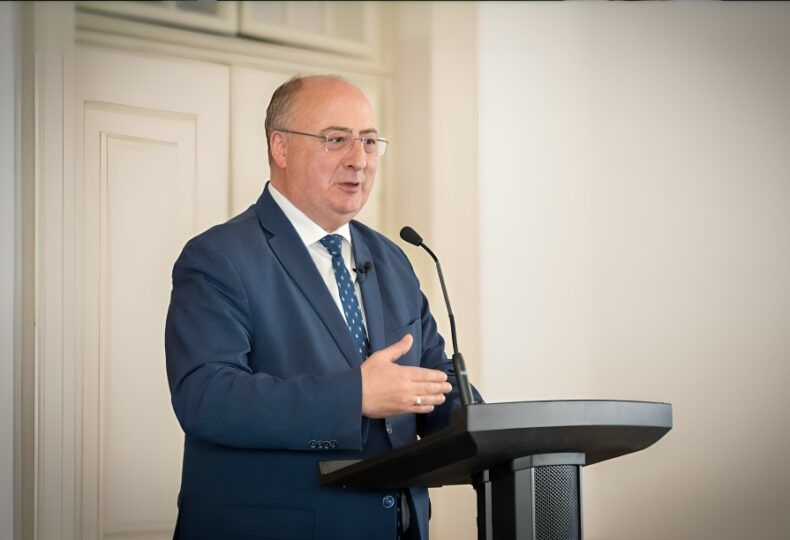
en.Wedoany.com Reported - Axel Paulsen, Director of Biocambio, writes that the key to understanding the impact of extreme climate events on Chile's salmon farming industry lies in comprehending how environmental changes alter the biological balance of aquatic ecosystems, and calls for strengthening prevention strategies based on biotechnology.
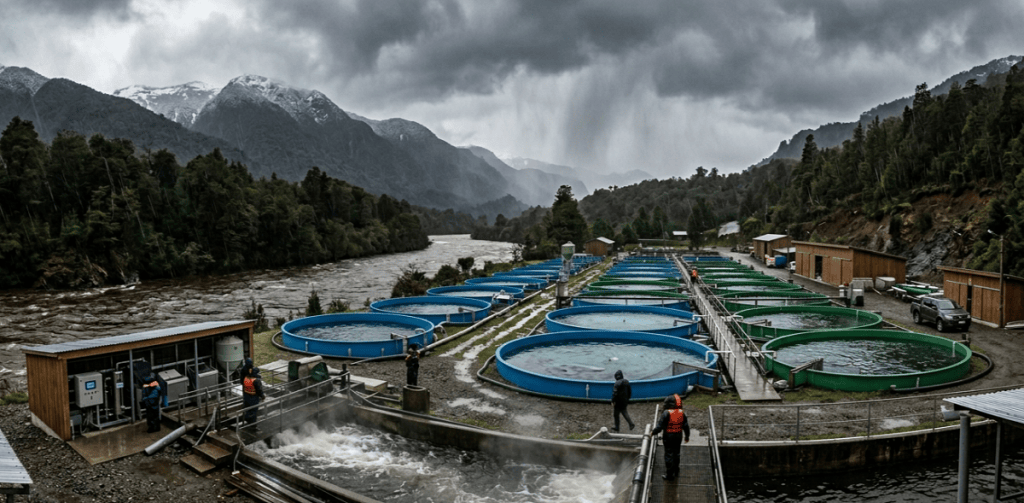
The discussion surrounding the impact of major climate events on Chile's salmon farming industry often oscillates between alarmism and understatement. Faced with global predictions of potential extreme phenomena, the key is to distinguish macro-level forecasts from the biological realities of freshwater farming centers. Paulsen argues that the Aqueduct platform report from the World Resources Institute (WRI) does not directly issue biological alerts regarding salmon pathogens, but rather precisely records increased climate variability and rising baseline water stress. For the south-central region of Chile, hydrological models predict changes in the frequency of thermal anomalies and surface runoff patterns, implying alterations in the physical and chemical properties of watersheds, such as increased sediment scouring, more drastic temperature fluctuations, and peaks in organic matter concentration.
Based on these environmental variables, scientific literature and health reports support hypotheses regarding the behavior of microbial communities on farms. Paulsen points out that a common error in the industry narrative is classifying all Flavobacterium species as pathogens, whereas microbiological literature describes this genus as ubiquitous, with many species being saprophytic. Reports from Chile's National Fisheries and Aquaculture Service (Sernapesca) and standards from the World Organisation for Animal Health (OMSA) indicate that the transition from harmless coexistence to an outbreak of Flavobacterium psychrophilum (cold water disease) depends almost entirely on environmental triggers. Research led by Chilean scientists (UNAB / Incar Center) recently described new species within watersheds, such as Flavobacterium maulense isolated from Atlantic salmon farming wastewater. This variant possesses enzymes capable of degrading substrates associated with virulence factors, with an optimal growth temperature adapted to a higher range (18-25°C). Paulsen emphasizes that it is not climate that creates bacteria, but climate that alters the host-pathogen balance. For water molds, according to epidemiological studies supported by Chile's Fisheries Development Institute (IFOP), surface runoff carries large numbers of spores into rivers, but the fungus rarely colonizes healthy tissue; it requires pre-existing damage.
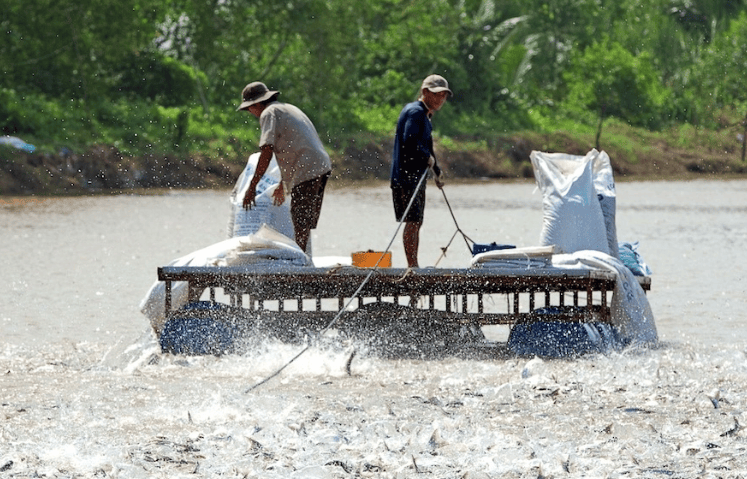
Paulsen concludes that the real risk of extreme meteorological events is not the emergence of new diseases, but the destabilization of aquatic ecosystems, which weakens the natural barriers of salmon. He hypothesizes that farms maintaining purely reactive management (based on traditional chemical disinfectants such as formalin or sodium chloride) will suffer severe losses. While irritant chemical baths temporarily clean the water, they also eliminate beneficial microbiota and stress the protective mucus of the fish. Regarding biotechnological solutions, Biocambio, through a strategic alliance with Brazil's Korin Agriculture and Environment Company, has validated the Bioescudo project in the cold waters of southern Chile. This technology works through competitive exclusion, introducing stable beneficial microorganisms to colonize the fish's surface and its environment. Field data accumulated under stress conditions show a reduction in mortality records associated with Flavobacterium outbreaks of up to 66%. Paulsen believes that climate is accelerating change, and prevention tools must keep pace. Evaluating nature-based and blue economy solutions becomes a decision to ensure operational continuity and financial resilience.
This article is compiled by Wedoany. All AI citations must indicate the source as "Wedoany". If there is any infringement or other issues, please notify us promptly, and we will modify or delete it accordingly. Email: news@wedoany.com
Related Products


Industrial and Commercial Point-Type Gas Detector
Jinan Benan Technology Development Co., Ltd.
714CD Series C-Band Weather Radar
Chengdu Zhongdian Jinjiang Information Industry Co., Ltd.
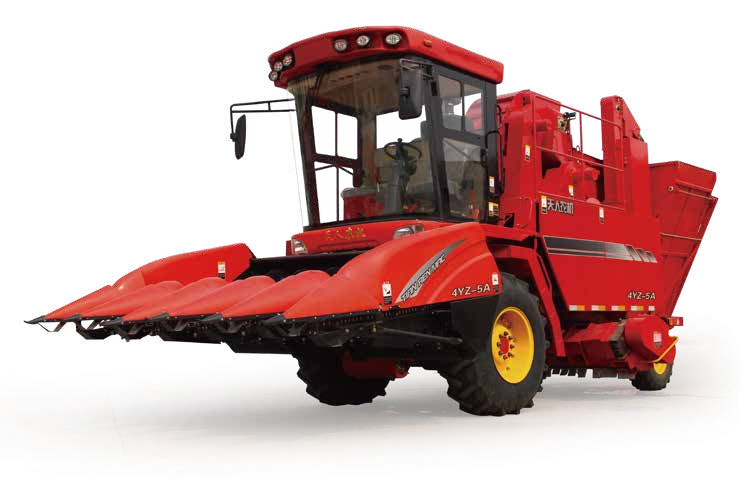
4HS-8 High-efficiency Peanut Inverted-laying Harvester
Hebei Yongfa Hongtian Agricultural Machinery Manufacturing Co., Ltd.