en.Wedoany.com Reported - New Zealand's Prime Minister officially inaugurated Contact Energy's first grid-scale battery in Glenbrook, south of Auckland, a project aimed at enhancing energy independence and the reliability of the renewable energy-powered grid.
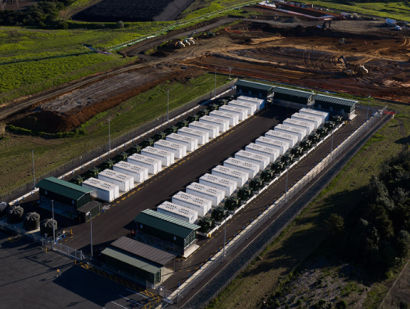
This 100MW battery energy storage system, named Glenbrook Ohurua Battery 1, is located on land leased from New Zealand Steel (NZ Steel), near Auckland's electricity load center and transmission network.
Contact CEO Mike Fuge stated that with the rapid contraction of the natural gas market, the new battery system can enhance winter energy resilience and demonstrates how New Zealand can build a more flexible, reliable, and renewable energy-powered system. The system can store renewable energy during low-demand periods and rapidly feed it back into the grid during high demand, supplying power to approximately 44,000 homes for two hours when needed most.
Contact is already advancing the adjacent Glenbrook Ohurua Battery 2 project, which has a construction scale of 200MW with an additional investment of NZ$235 million. Together, the two batteries will provide 300MW of capacity, capable of supplying power equivalent to 132,000 homes for two hours during peak demand. Construction of the first battery began in July 2024 and was completed on time and under budget, with the second expected to come online in early 2028.
Currently, 98% of Contact's electricity generation comes from renewable sources. Fuge noted that Glenbrook Ohurua Battery 1 not only helps maintain a reliable and sustainable power supply but also demonstrates how New Zealand can turn its renewable energy advantages into economic opportunities, supporting electrification, creating jobs, and driving a more secure and self-sufficient energy future.
The system is configured with 56 Tesla Megapack 2 XL units, with a full capacity of 100MW, capable of supplying power to approximately 44,000 homes for two hours. The investment is NZ$151 million, with a construction period of less than two years. It can respond to grid demand changes instantaneously, providing support for peak demand, outages, and emergencies.
This article is compiled by Wedoany. All AI citations must indicate the source as "Wedoany". If there is any infringement or other issues, please notify us promptly, and we will modify or delete it accordingly. Email: news@wedoany.com