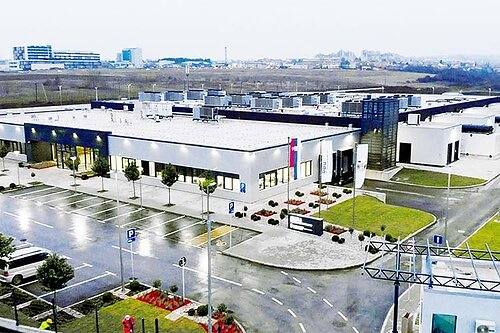
en.Wedoany.com Reported - China Resources Building Materials Technology (CR Building Materials Technology) has won the second prize of the 2025 Building Materials Science and Technology Award for Scientific and Technological Progress, awarded by the China Building Materials Federation, for its project "Development and Application of Carbon-Reducing Cement Grinding Aids."
Against the backdrop of the deepening national "dual carbon" strategy, the cement industry has entered a period of deep adjustment, with companies facing multiple challenges such as strict cost control, efficiency improvement, energy conservation, and emission reduction. Innovation in green and low-carbon technologies has become a key pathway for the industry's transformation and upgrading. In recent years, CR Building Materials Technology has focused on cement grinding aid technology, launching a high-performance carbon-reducing grinding aid aimed at providing cement companies with an integrated solution for energy saving, carbon reduction, quality improvement, consumption reduction, and efficiency enhancement.
Traditional cement grinding aids face three major bottlenecks in application: difficulty adapting to fluctuations in raw material quality caused by the use of alternative raw materials and fuels; weakened efficacy due to competitive adsorption when using low-activity admixtures; and limited improvement in cement strength due to constraints from raw materials such as glycerol. The R&D team at CR Building Materials Technology has tackled these challenges from multiple dimensions, including component mechanisms, hydration reactions, and grinding principles, aiming to break through traditional technical barriers.
Through preliminary research, the R&D team discovered two key synergistic effects: the combination of a specific A organic substance with alcohol amines can precisely reduce the 45-micron sieve residue of cement during grinding, enabling selective fine grinding of clinker; the combination of a B special organic substance with alcohol amines can significantly enhance the autoclave curing strength of cement and accelerate hydration reactions. Based on this, the team overcame three major challenges—retardation caused by multiple sugars, activation of admixture activity, and optimization of hydration microstructure—and developed a new type of carbon-reducing grinding aid product with fully independent intellectual property rights.
This product uses molasses modification technology to solve the retardation problem, improving clinker utilization efficiency and reducing carbon emissions; it employs polyol activation technology to activate the activity of admixtures and expand their blending ratio; and it utilizes organic acid salt enhancement technology to optimize the microstructure of hydration products and improve cement strength. He Kunfu, Deputy Chief Engineer of the Guangxi R&D Center and a project team member, stated that traditional grinding aids can no longer keep pace with the diversified application of alternative raw materials and admixtures, and the function of grinding aids needs to shift from increasing output and reducing consumption to reducing carbon and costs. Teng Zhuoguang, Chief Engineer of the Guangxi R&D Center and a project team member, explained that the grinding aid requires no production line modifications and can be used by directly adding it to the mill via a storage tank. The raw materials are green and environmentally friendly, do not alter the original properties of the cement, and offer strong versatility, achieving cost reduction while ensuring cement strength.
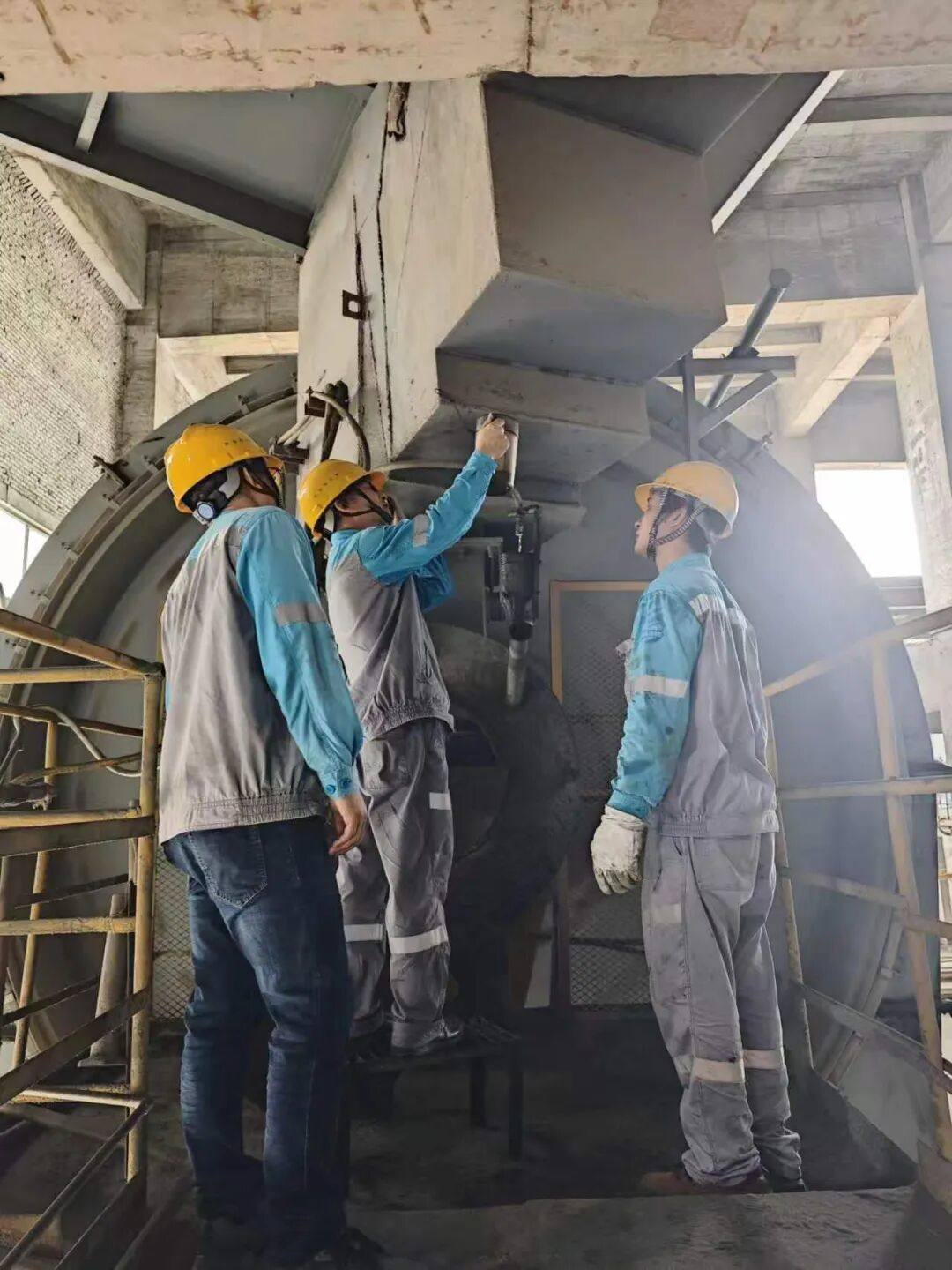
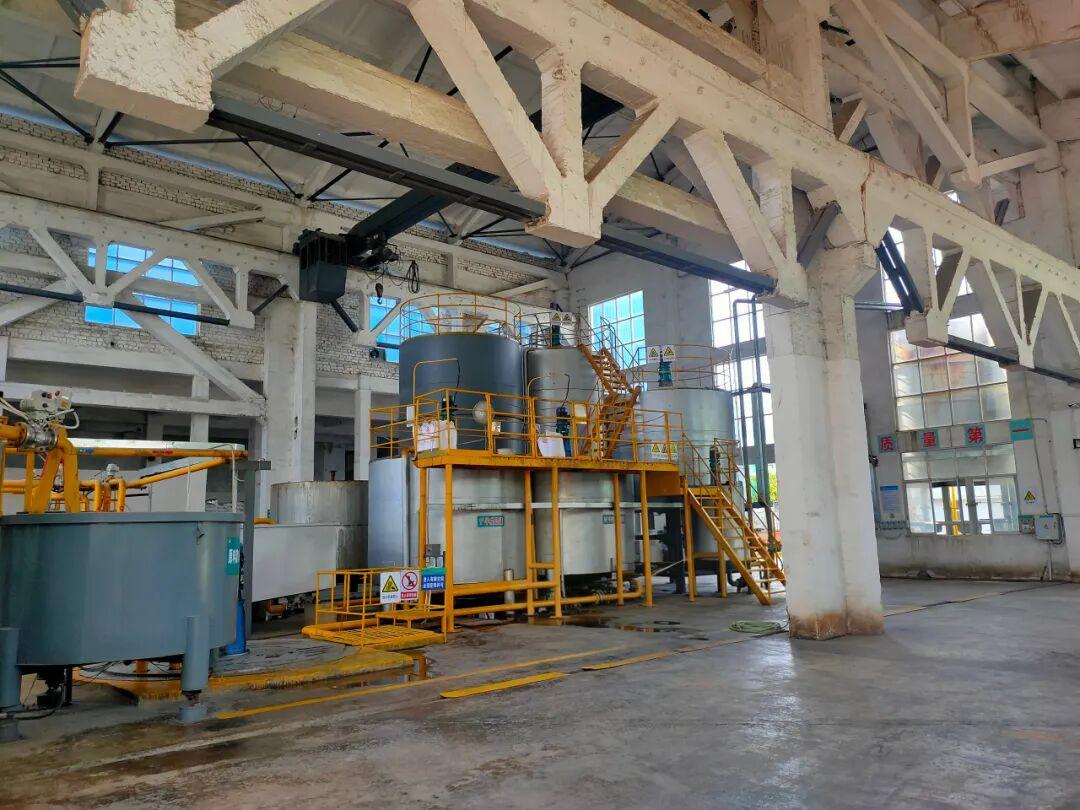
Currently, this carbon-reducing grinding aid has been applied on a large scale in over 20 production bases of CR Building Materials Technology. Data shows that after application, the clinker coefficient can be stably reduced by 4% to 6%, and the carbon emission intensity per ton of cement decreases by more than 34 kilograms. Over two years, the product has been used in the production of over 60 million tons of cement, directly reducing the production cost per ton of cement by 1 to 2 yuan and lowering grinding power consumption by 1 to 2 kWh per ton. Based on a 40% proportion of industrial solid waste, it has cumulatively helped absorb 970,000 tons of industrial solid waste.
The "Development and Application of Carbon-Reducing Cement Grinding Aid Technology" project has been certified by the China Building Materials Federation, achieving an overall international advanced level, with the molasses modification technology reaching an internationally leading level. The project has been granted 7 national patents, including 4 invention patents, published 7 academic papers, participated in the compilation of 1 national standard, and led the compilation of 1 group standard.
This article is compiled by Wedoany. All AI citations must indicate the source as "Wedoany". If there is any infringement or other issues, please notify us promptly, and we will modify or delete it accordingly. Email: news@wedoany.com