University of Bayreuth uses carbon dioxide as oxygen source for oxidation reactions
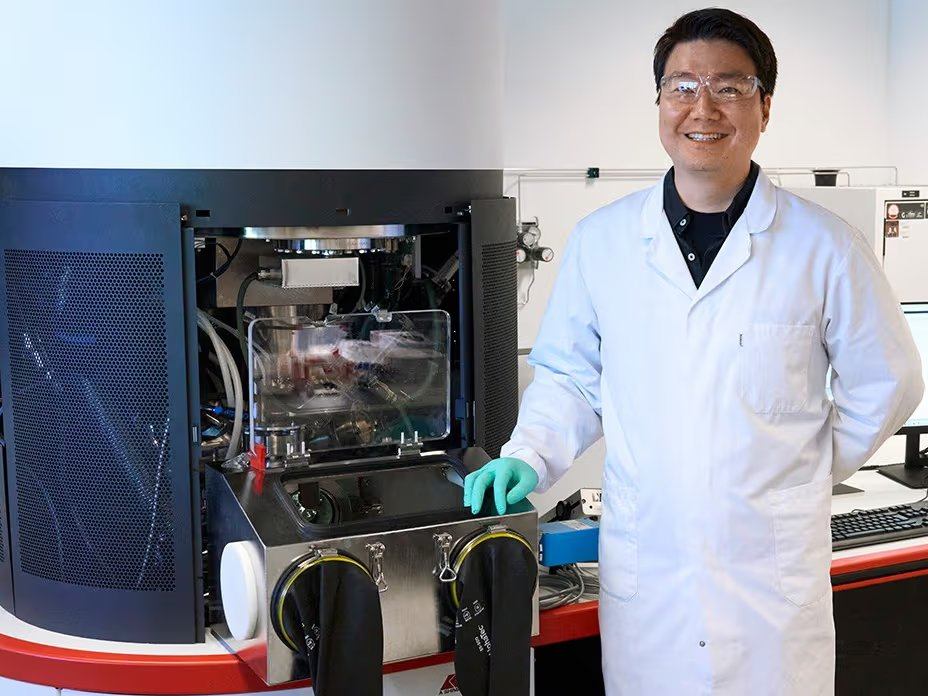
en.Wedoany.com Reported - A research team at the University of Bayreuth, in collaboration with international partners, has developed a new method that uses carbon dioxide (CO₂) as an oxygen source for oxidation reactions, making the process safer and more sustainable. The findings have been published in the journal Science.
Oxidation reactions are indispensable unit processes in the chemical industry, but they also pose some of the highest safety risks. Industrially, oxidation is used to produce active pharmaceutical ingredients and plastic precursors, while everyday materials such as paints and coatings rely on oxidation for hardening. However, many oxidation reactions are highly exothermic and can easily lead to "thermal runaway"—an uncontrolled acceleration of the reaction that results in fire or explosion. The risk of explosion is particularly high when using oxygen as an oxidant, while other oxidants are difficult to control due to their chemical aggressiveness.
"We have developed a new method that uses carbon dioxide as an oxygen source for oxidation reactions. This approach transforms CO₂ from an inert greenhouse gas into a valuable synthetic reagent," said Dr. Shoubhik Das, Chair of Organic Chemistry I at the University of Bayreuth and senior author of the study. For the first time, the research team demonstrated a light-driven oxygen transfer system that directly utilizes CO₂ for the oxidative cleavage of alkenes—raw materials for numerous plastics—under ambient conditions. The reaction employs a robust iron-based heterogeneous photocatalyst and proceeds at room temperature and atmospheric pressure, eliminating the need for hazardous oxidants or pressurized oxygen, making it safer than conventional oxidation. The reaction is driven by light, offering additional energy-saving benefits.
Das added: "Beyond establishing a new reaction, our method opens up new avenues for oxidation processes that meet the demands of industrial safety, sustainability, and green production. This research contributes to developing fundamental chemical transformations that balance safety, sustainability, and environmental responsibility."
The study is the result of an international collaboration involving the University of Bayreuth, the Leibniz Institute for Catalysis, the CNR Institute of Chemistry of Organometallic Compounds (Italy), the CNR Institute for Chemical and Physical Processes (Italy), Stockholm University, Jagiellonian University, the State Key Laboratory of Low Carbon Catalysis and Carbon Dioxide Utilisation, and Politecnico di Milano. It was funded by DTU (2035-00147B) and the University of Bayreuth's start-up funding.
This article is compiled by Wedoany. All AI citations must indicate the source as "Wedoany". If there is any infringement or other issues, please notify us promptly, and we will modify or delete it accordingly. Email: news@wedoany.com
Related Products


CAP1400 main feedwater flow nozzle flowmeter.
Jiangsu Hongda Instrument Technology Co., LTD.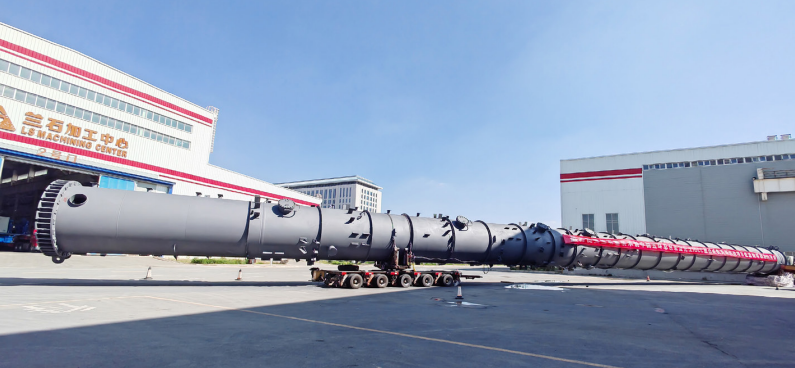

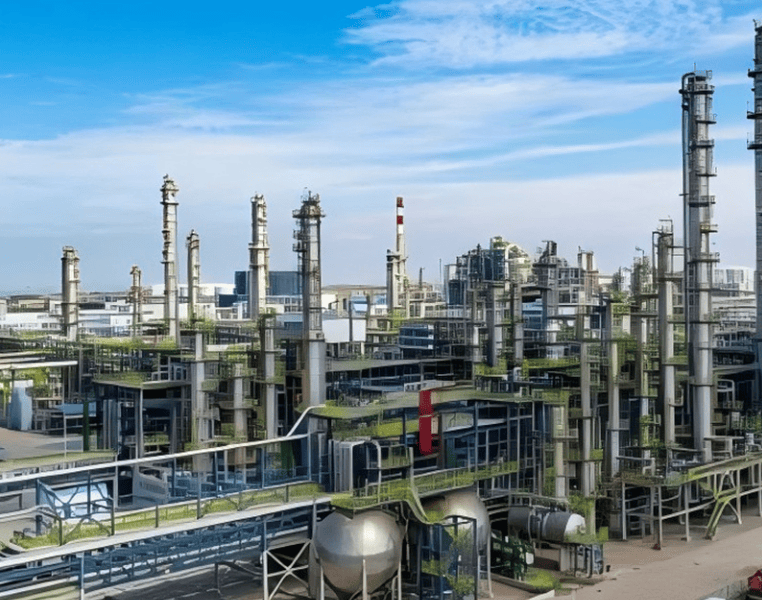
Steel Pipes for Refining and Coal Chemical Industries
YANGZHOU LONTRIN ENERGY EQUIPMENT CO.,LTD.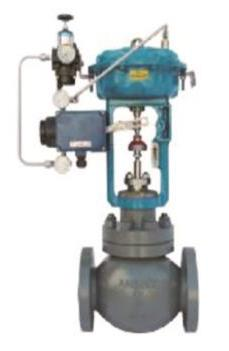
Quick-Change Single-Seat Control Valve / Quick-Change High-Pressure Single-Seat Control Valve
Beijing Consen Automation Technology Co., Ltd.
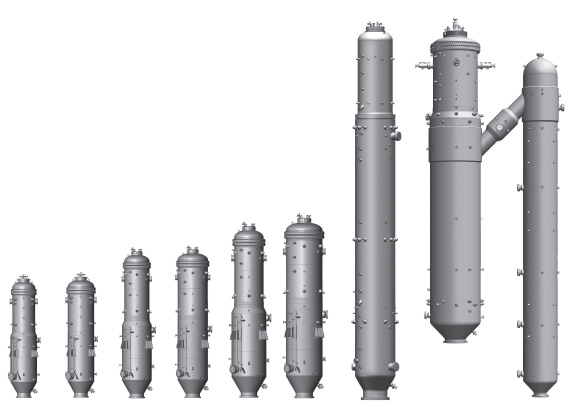
Gasification Furnace Series: Freely Combinable Aerospace Furnace
CHANGZHENG ENGLINEERING CO., LTD.
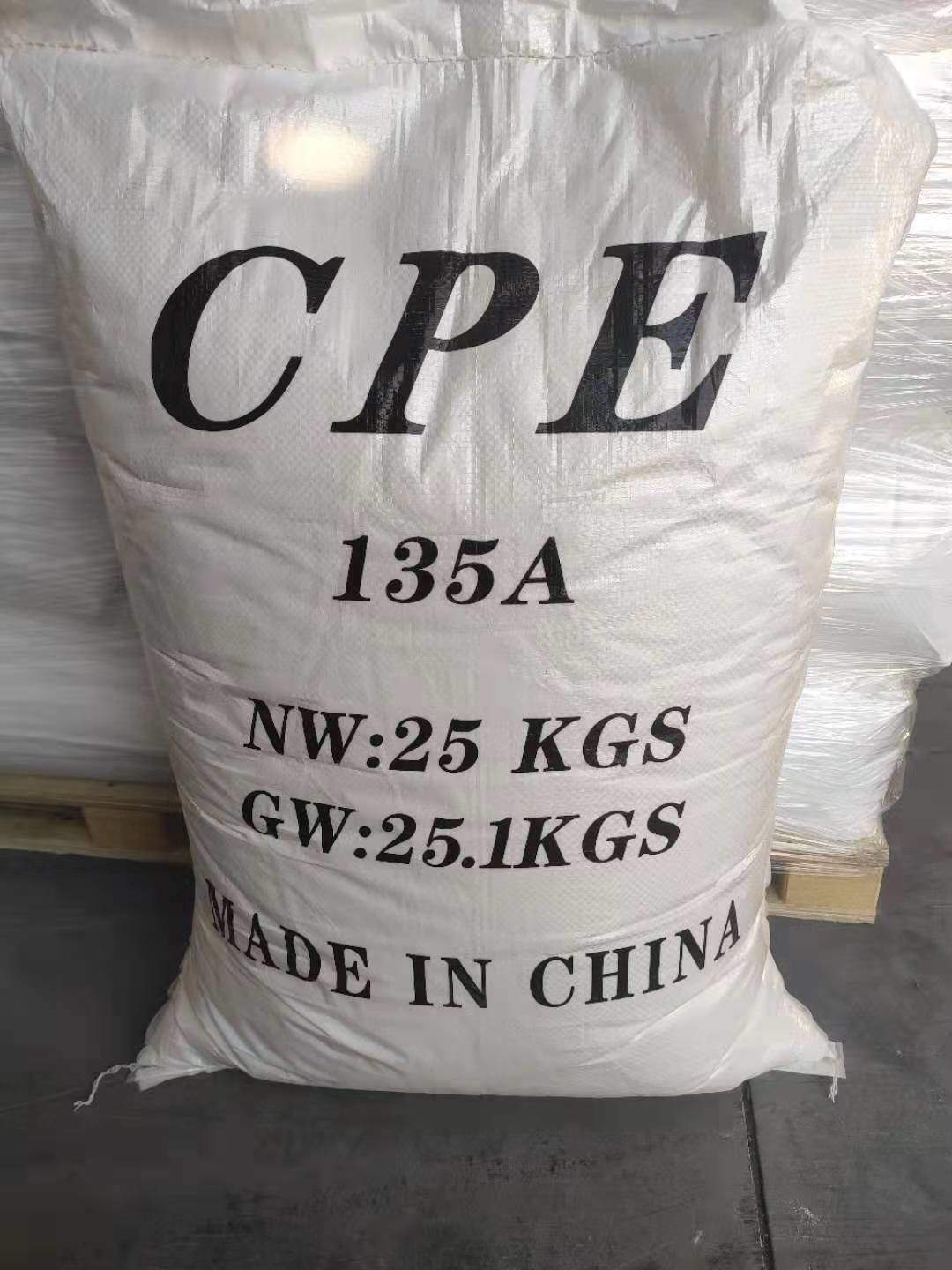
PVC Impact-Modified Chlorinated Polyethylene
Gansu Jinchuan Hengxin Polymer Technology Co., Ltd.