en.Wedoany.com Reported - The International Energy Agency (IEA) predicts that by 2030, global electricity demand will grow at least two and a half times faster than overall energy demand, marking a fundamental shift in the long-standing relationship between electricity consumption and economic growth. Dr. Fatih Birol, Executive Director of the IEA, noted that the age of electricity has arrived, with surging demand from data centers and artificial intelligence driving increased electricity use in advanced economies. In 2025, global electricity demand is expected to grow by approximately 3% compared to 2024, an increase of about 800 terawatt-hours, roughly two and a half times the growth rate of total energy demand. Over the next five years, average annual electricity demand growth is projected to be 50% higher than the average of the past decade.
Despite uncertainties such as the US-Iran conflict, the IEA's World Energy Investment 2026 report shows that capital flowing into the energy sector is expected to reach $3.4 trillion in 2026, a 5% increase from 2025. Electricity-related spending accounts for nearly 60% of global energy investment, with power supply and infrastructure investment projected to reach $1.6 trillion in 2026. Including spending on end-use electrification, this figure rises to $2 trillion. Electrification through heat pumps, electric vehicles, and electrified industrial processes is expanding rapidly, with investment growing by approximately 15% year-on-year. Over the past decade, investment in transport electrification has more than doubled, accounting for about four-fifths of total investment.
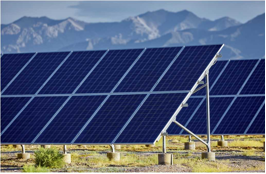
In 2025, advanced economies contributed nearly 20% of global electricity demand growth, up from 17% in 2024. This share is expected to remain at around 20% annually through 2030. The report emphasizes that investments in renewable energy, nuclear power, electrification, and energy efficiency over the past decade have tangibly improved energy security and reduced emissions in major fuel-importing regions. Solar photovoltaic is the single largest contributor to global energy supply growth in 2025, accounting for over 25% of the increase, followed by natural gas at 17%. Overall, renewables and nuclear power met nearly 60% of energy demand growth, with their generation exceeding the total increase in electricity demand.
In other reports, management consulting firm Bain & Company analyzes that electricity demand will rise from 95 exajoules in 2024 to over 137 exajoules by 2040. Transport electrification is expected to grow from less than 3% of global electricity demand today to between 7% and 9% by 2040. However, the largest cumulative increase in electricity consumption across sectors will come from households, particularly driven by rising air conditioning loads from expanding cooling needs in developing countries and the replacement of gas heating with heat pumps. Industry and buildings are expected to account for over 60% of total demand by 2040. The company's scenario analysis shows that renewable energy generation will account for more than 50% of all electricity by 2036.
The IEA states that to meet energy system targets through 2035, end-use investment in buildings and transport needs to increase by one to three times, and by more than four times in the industrial sector. Following the global energy crisis from 2021 to 2023, the US-Iran conflict is expected to reinforce policymakers' high prioritization of energy security. Technologies such as heat pumps, electric vehicles, and electrified industrial heat are seen as tools offering multiple benefits, effectively reducing dependence on volatile fuel markets, lowering import reliance, and alleviating pressure on energy systems during supply disruptions.
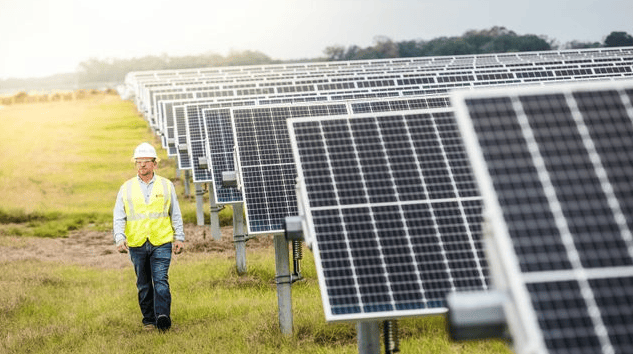
In South Africa, embedded solar photovoltaic generation from rooftop and ground-mounted systems in the retail sector has increased and is expected to continue leading renewable energy deployment. Professor Samson Mamphweli, Head of the Energy Secretariat at the South African National Energy Development Institute, stated that driven by rising electricity tariffs and declining costs of battery energy storage systems and solar cells, small-scale embedded generation in residential areas is expected to continue growing, thereby strengthening overall energy supply security for the economy.
This article is compiled by Wedoany. All AI citations must indicate the source as "Wedoany". If there is any infringement or other issues, please notify us promptly, and we will modify or delete it accordingly. Email: news@wedoany.com