Russia Plans to Build a Nuclear Power Plant on the Moon by 2036
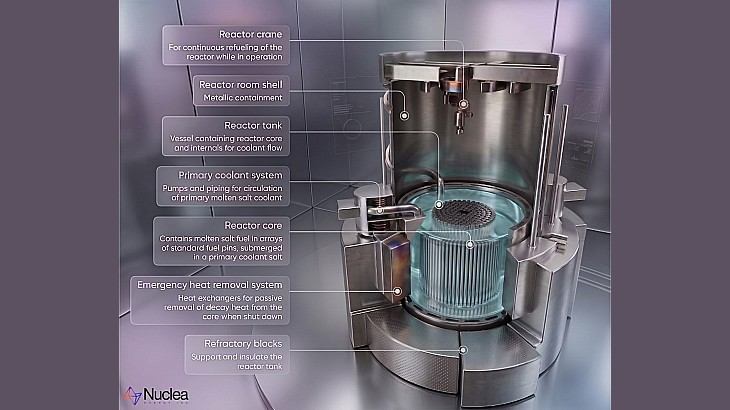
en.Wedoany.com Reported - The Russian Federal Space Agency (Roscosmos) plans to construct nuclear power generation facilities on the lunar surface by 2036 to support the long-term operation of future lunar bases and scientific research facilities.
According to Russia's long-term space strategy document, nuclear power is explicitly listed as a key energy supply solution for lunar infrastructure, indicating Russia's intention to lay the foundation for sustained lunar activities through a stable and efficient energy system.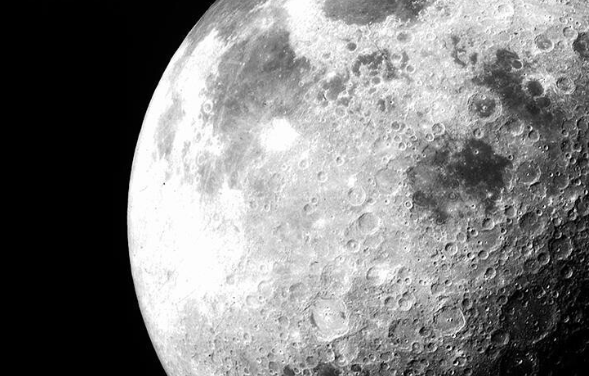
Given the lunar environment's long day-night cycles and extreme temperature variations, relying solely on solar energy is insufficient to meet the continuous operational needs of a base. Therefore, nuclear energy is considered a key option for building long-term lunar facilities. Relevant documents indicate that this nuclear power system will serve Russia's lunar program and may also integrate with international cooperation projects to ensure the energy needs of research stations, communication equipment, life support systems, and future resource development facilities.
Russia's lunar exploration will be progressively advanced through a series of Luna unmanned missions. According to the plan, the Luna-26 mission will be implemented in 2028, Luna-27/1 and Luna-27/2 will be launched in 2029 and 2030 respectively, and Luna-28, Luna-29, and Luna-30 are expected to be carried out between 2032 and 2036. These missions will undertake objectives such as lunar surface surveys, scientific data collection, and soil sample return, providing technical and environmental data support for subsequent lunar infrastructure construction.
In addition to lunar projects, Russia has also included post-2036 deep space exploration in its plans, including exploring Venus and Mars with unmanned probes, developing natural resources on the Moon and asteroids, and deploying a national orbital space station. The document also mentions the potential future development of transport vehicles equipped with nuclear energy systems for launch into space, indicating that Russia is not only focusing on lunar energy supply but also laying the groundwork for longer-distance, longer-duration deep space navigation capabilities.
This article is compiled by Wedoany. All AI citations must indicate the source as "Wedoany". If there is any infringement or other issues, please notify us promptly, and we will modify or delete it accordingly. Email: news@wedoany.com
Related Products


Hydraulic Turbine Genset
Dongfang Electric Corporation Dongfang Electric Machinery Co., Ltd.
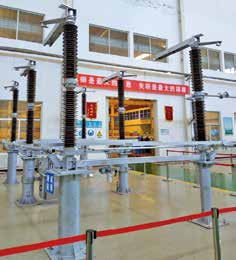
GW4-40.5/72.5/126/145/170/252/363/420 Series Double-column Horizontal Rotary High-voltage AC Disconnect Switch
SHANDONG TAIKAI DISCONNECTORS CO., LTD.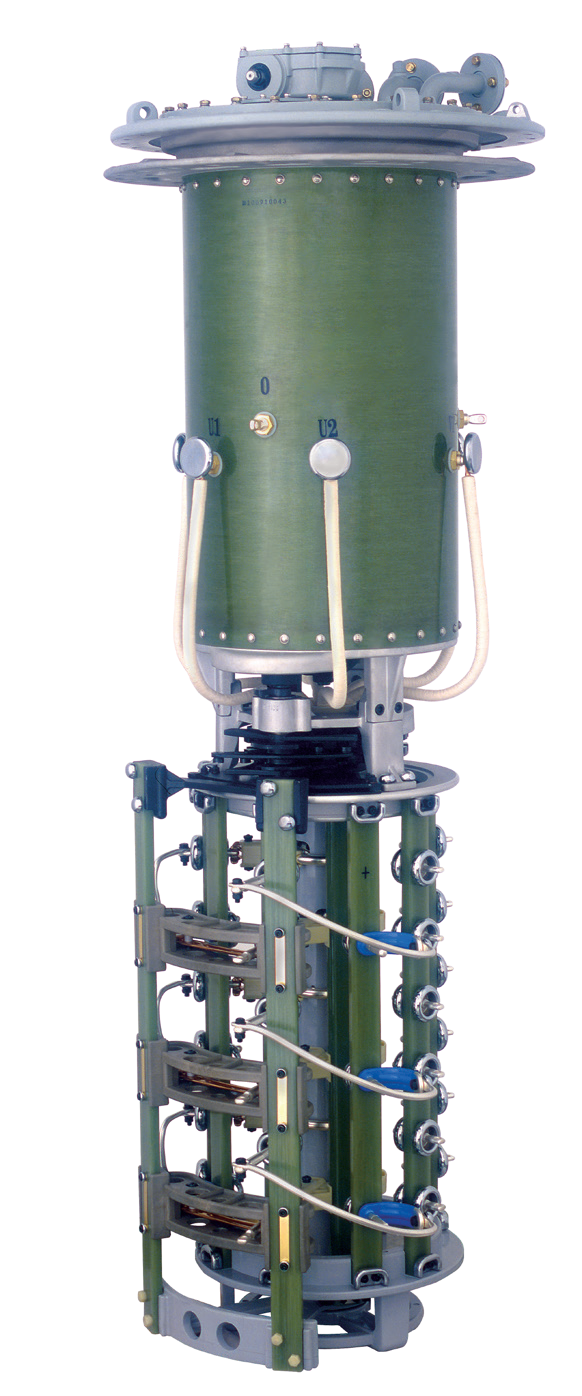
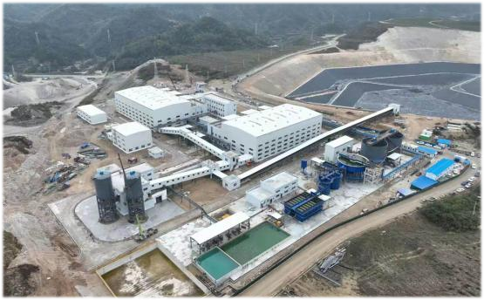
Yingping Mining Section Open-pit Tailings Backfill Treatment of Goaf Ecological Restoration EPC Project
China Bluestar Lehigh Engineering Corporation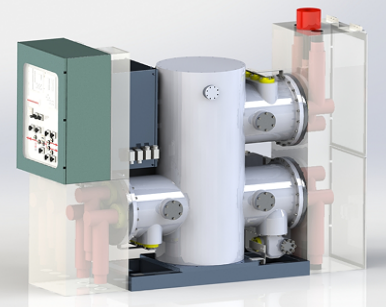
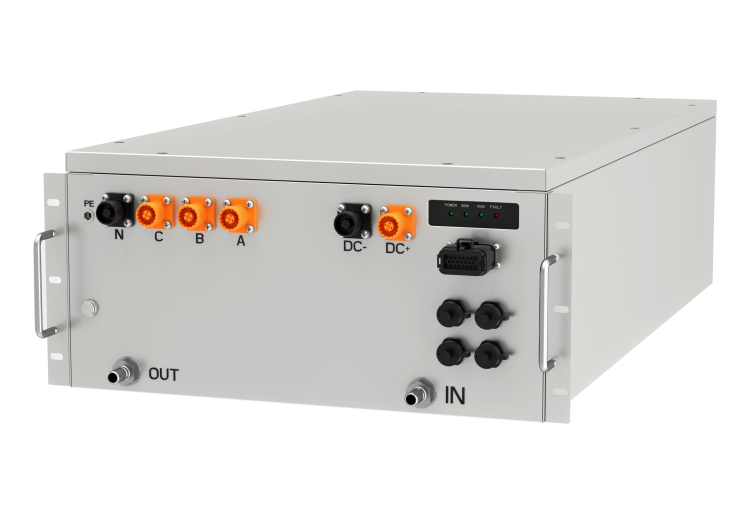
Mars (Liquid Cooling) Series Industrial and Commercial Energy Storage Converter High Protection Module
Shenzhen Winline Technology Co., Ltd.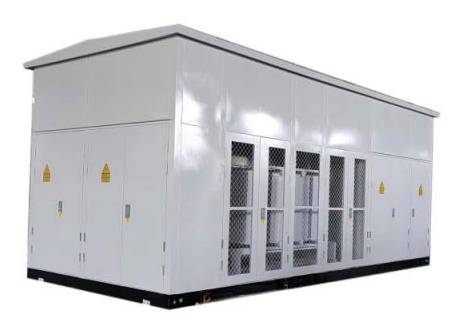

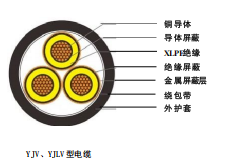
Rated Voltage 6-35kV Cross-linked Polyethylene Insulated Power Cable
TONGDING INTERCONNECTION INFORMATION CO., LTD.