China's Selenium Output to Reach 2,030 Tons in 2025; High-Purity Selenium Market to Hit $3.5 Billion by 2030
en.Wedoany.com Reported - On June 26, at the 2026 SMM (14th) Minor Metals Industry Conference—Rare and Dispersed Metals Industry Forum, hosted by Shanghai Metals Market (SMM) and sponsored by Guangxi Yusheng Germanium Industry High-Tech Co., Ltd., Ou Haiguang, Chairman of Guangdong Qingyuan Lianzhou Tuosheng New Energy Co., Ltd., shared insights on the development and application of the selenium industry.
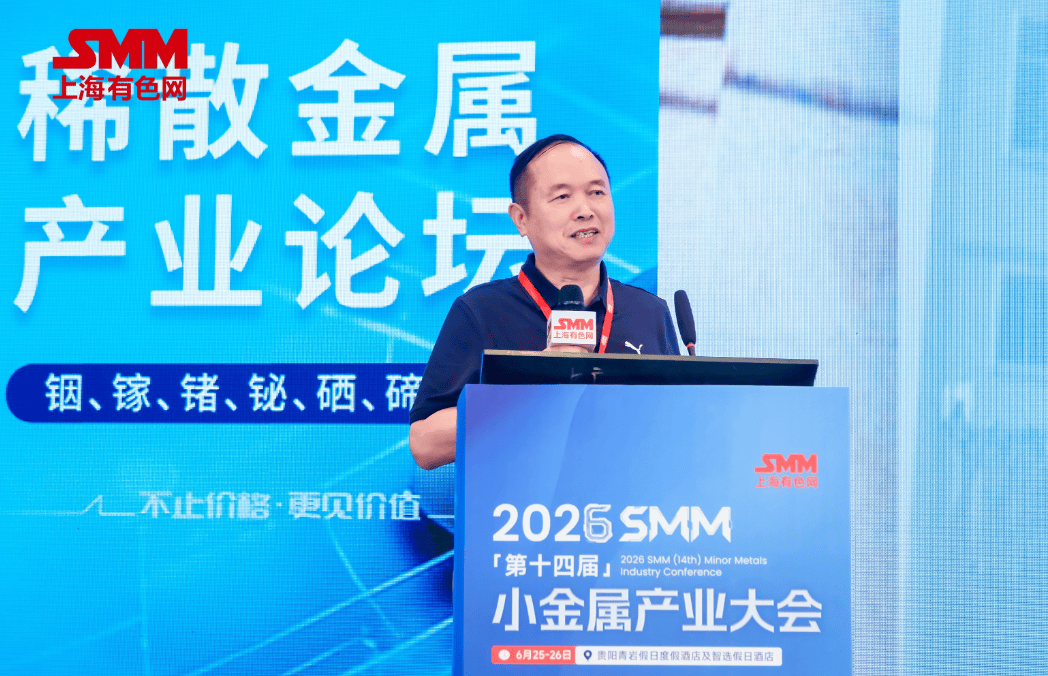
The global selenium market is characterized by steady overall growth coupled with rapid structural upgrades. While overall market growth has slowed, high-value-added segments are experiencing robust expansion. The global high-purity selenium market reached $1.8 billion in 2023 and is projected to exceed $3.5 billion by 2030, with a compound annual growth rate (CAGR) of 10%. Selenium is recognized as a critical material supporting the development of high-tech industries, with growing demand in military, new energy, and healthcare sectors. Ultra-high-purity rare and dispersed metals have been designated as a national strategic emerging industry priority. High-purity selenium is listed in the National Development and Reform Commission's "Catalogue of Key Products and Services for Strategic Emerging Industries" (2017), and the European Union has also identified selenium as a key raw material for strategic low-carbon energy technologies (2020).
China is the global center for selenium production and supply. In 2025, China's primary selenium output reached 2,030 tons, a year-on-year increase of 12%, accounting for nearly half of global production. Growth is driven by the expansion of domestic copper smelting enterprises and increased emphasis on comprehensive recovery of rare and precious metals. The four core production provinces are Yunnan, Jiangxi, Anhui, and Hubei, with leading companies such as Jiangxi Copper, Tongling Nonferrous Metals, Yunnan Copper, and CNMC Daye dominating production and extending into downstream deep processing. China's selenium output is expected to reach 2,165 tons in 2026 and further increase to 2,340 tons in 2027.
Regarding price trends, Ou Haiguang noted that the global economic slowdown has weighed on traditional selenium-consuming industries such as glass, ceramics, and pigments, leading to sustained downward pressure on prices of standard industrial-grade selenium products. However, high-purity, customized high-end selenium products required by the photovoltaic and electronics sectors have maintained price support due to high technical barriers and scarce supply, resulting in a clear market divergence. Supply-demand dynamics drive this differentiation, with base product prices heavily influenced by capacity, while technical thresholds in high-value-added fields such as infrared, electronics, and solid-state batteries underpin the price resilience of high-end selenium products.
In terms of consumption structure, metallurgy accounts for 32%, flat glass for 24%, agricultural and livestock health for 21%, ceramic chemicals for 13%, and the electronics, infrared, and photovoltaic sectors for 8%, with the latter being the fastest-growing segment. A historic shift in trade patterns has occurred: in 2025, China's selenium imports and exports both stood at 728 tons, essentially balanced, marking China's achievement of basic self-sufficiency in selenium resource supply. In the coming years, driven by output growth and technological advantages, China is expected to transition from a net importer to a net exporter. In terms of policy support, the state has included high-purity selenium and selenium compound targets in the new materials export credit insurance support category, and exempted import tariffs and import value-added tax on specialized equipment for high-purity selenium compound synthesis and single-crystal production, enhancing the international competitiveness of China's selenium products.
Ou Haiguang highlighted three high-growth tracks. First, nano-selenium is experiencing rapid growth in biomedicine and health agriculture, with core advantages of high bioavailability and low toxicity. He shared insights based on market size forecasts, diverse application scenarios, and national policy support. Second, high-purity selenium is a key foundational material for the semiconductor and photovoltaic industries, currently facing a structural supply-demand mismatch: overcapacity in 5N-grade low-end products and severe shortages in 6N-grade and above high-end products, with import dependence as high as 71%. The National Integrated Circuit Industry Investment Fund has directed capital to support breakthroughs, aiming to achieve a domestic substitution rate of over 60% for high-end high-purity selenium by 2027. Third, indium selenide is a novel layered semiconductor material with significant potential in infrared detection, flexible optoelectronic devices, and CIGS thin-film solar cells. In 2025, China's indium selenide market size is 382 million yuan, expected to reach 429 million yuan in 2026, a year-on-year increase of 12.3%. The competitive landscape is highly concentrated, with the top three companies holding approximately 68.3% market share. The primary downstream application is infrared focal plane detectors, used in security surveillance and industrial temperature measurement.
In terms of cutting-edge technology, antimony selenide sulfide solar cells are regarded as a highly promising next-generation photovoltaic technology direction. The material combines excellent photoelectric conversion properties with outstanding chemical stability, low production costs, and strong process compatibility, opening new pathways for the high-value application of selenium resources in the new energy sector. Industry development trends include technology-driven high value addition, accelerated deep domestic substitution, the rise of the "materials as a service" model, and a focus on green, low-carbon, and circular economy directions.
Ou Haiguang recommended that enterprises focus on high-value-added fields such as nano-selenium and 6N-grade high-purity selenium, establish independent R&D systems, actively engage in industry-academia-research collaboration, extend upstream to raw materials and downstream to applications to build industrial chain synergy, and establish high-standard quality control systems to enhance brand image. Investors should focus on companies with core technology intellectual property rights, strong ties with downstream customers, and full industrial chain layouts, while remaining vigilant about the cyclical price volatility risks of selenium. Additionally, Ou Haiguang introduced Lianzhou Tuosheng New Energy Co., Ltd.
This article is compiled by Wedoany. All AI citations must indicate the source as "Wedoany". If there is any infringement or other issues, please notify us promptly, and we will modify or delete it accordingly. Email: news@wedoany.com
Related Products
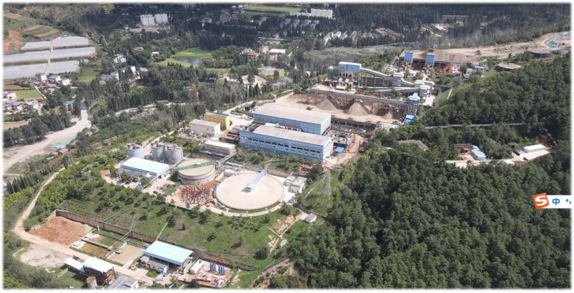

Yunnan Phosphorus Chemical Group Co., Ltd. 2 Million t/a Phosphorus Ore Mining and Beneficiation Project
China Bluestar Lehigh Engineering Corporation
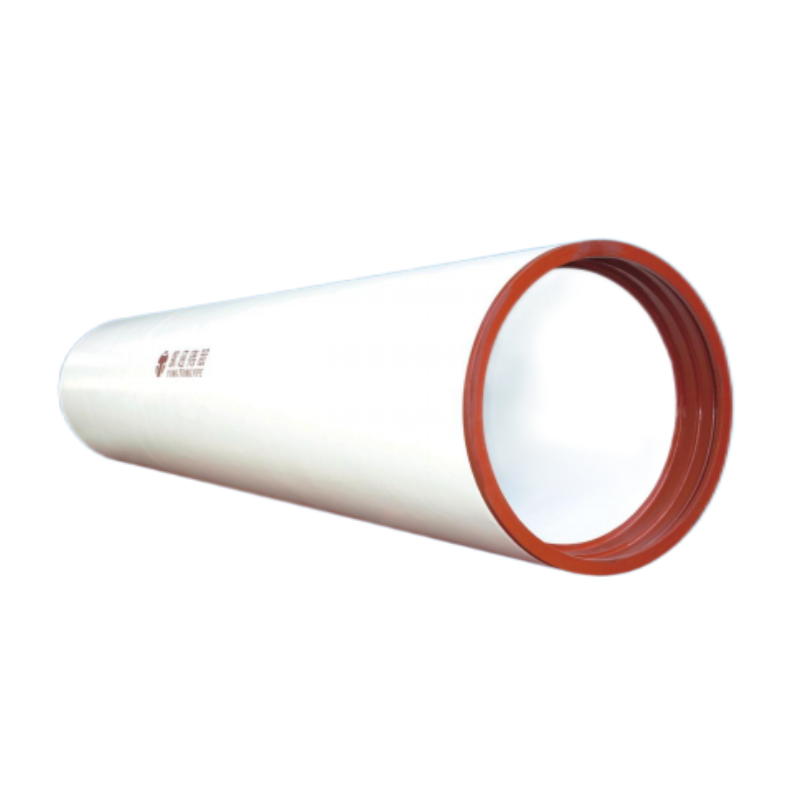
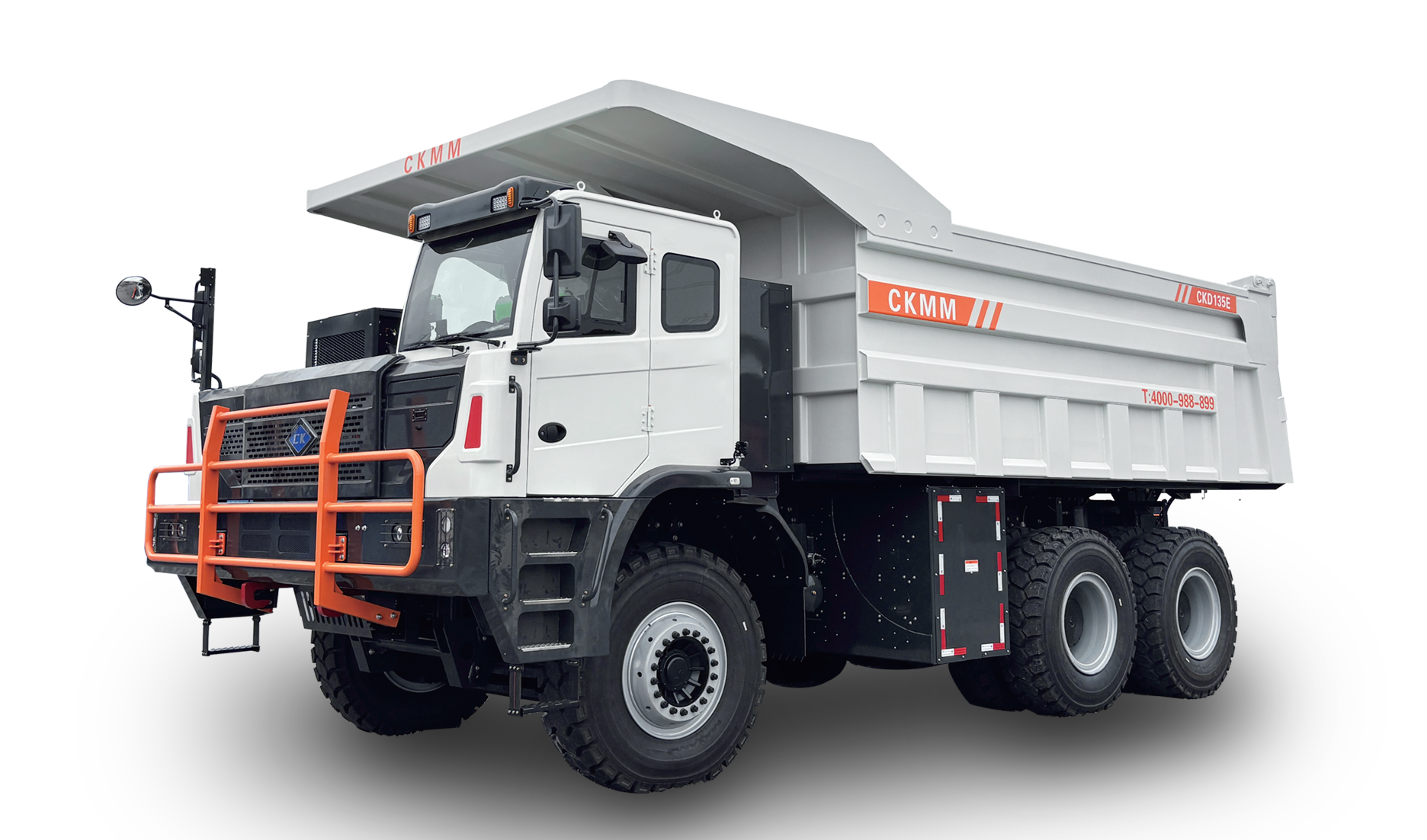
CKD135E Pure Electric Wide-body Dump Truck
Jiangsu Changkuang Engineering Machinery Co. Ltd.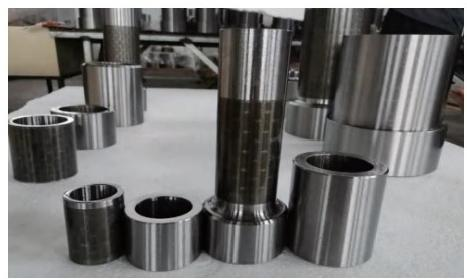
High-temperature Equal Wall Thickness High-power Screw Drilling Tool
Orient Energy & Technologies Co., Ltd.
Industrial and Commercial Point-Type Gas Detector
Jinan Benan Technology Development Co., Ltd.