en.Wedoany.com Reported - Rio Tinto is positioning its lithium business as its fastest-growing segment, solidifying its strategic footprint in battery metals after acquiring Arcadium over a year ago. The deal gave Rio Tinto access to mineral deposits, processing plants, and ore bodies across four continents, along with a customer base that includes Tesla.
Jérôme Pécresse, head of Rio Tinto's aluminum and lithium division, revealed that the company plans to produce at least 61,000 tonnes of lithium this year and aims to reach a capacity of 200,000 tonnes by 2028, depending on market demand. Against the backdrop of a market still adjusting after price corrections, integrating assets and launching low-cost projects are current priorities.
The mines Rio Tinto is developing in Argentina and Canada are designed to remain competitive even if lithium prices fall further. Pécresse emphasized that project execution is critical, stating at the Fastmarkets Global Lithium, Battery and Critical Materials Conference in Las Vegas that he hopes to prove the company can complete construction on time and on budget, which occupies 90% of his time.
The strategy focuses on developing low-cost assets and supplying customers through long-term contracts, many of which include price floors and ceilings designed to protect both producers and buyers.
Rio Tinto's expansion comes after a complex period for the lithium industry, with price declines partly attributed to overcapacity from China. The downturn led to layoffs and project delays, although conditions have begun to improve in recent months. Pécresse noted that compared to more mature commodities like iron ore and copper, lithium remains a growth market.
Pécresse stated that this is a market trying to find balance. Lithium has rapidly transformed from a niche material into a key input for electric vehicles, battery storage, grid infrastructure, and broader energy transition technologies.
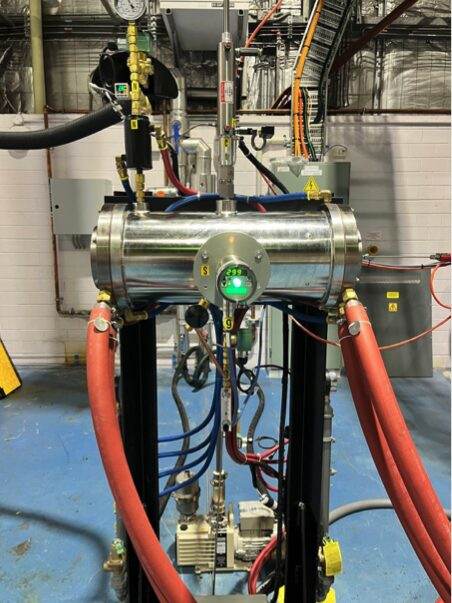
Direct Lithium Extraction (DLE) is central to Rio Tinto's plans and was a key reason for acquiring Arcadium. Pécresse expects one of the company's DLE projects to start up within the next few years. Rio Tinto is not currently seeking to acquire additional lithium projects.
Pécresse said the company is quite satisfied with Arcadium's assets, has a clear roadmap, and aims to achieve an annual production capacity of 200,000 tonnes by 2028. DLE is seen as a method that could improve recovery rates, reduce environmental impact, and accelerate production from brine lithium projects, although commercial scaling remains a key industry challenge.
The acquisition of Arcadium and the planned production growth could propel Rio Tinto among the world's largest lithium producers. However, Pécresse clarified that the company is not focused on achieving a specific ranking in the global market; the strategy is to have a sufficiently large portfolio of assets to maintain influence among customers.
This approach reflects a broader shift among diversified miners seeking exposure to battery metals while maintaining capital expenditure discipline and project execution. Pécresse declined to comment on Rio Tinto's potential willingness to merge with Glencore, citing a six-month standstill clause that expires in August.
Rio Tinto's lithium business push coincides with growth forecasts for battery material demand, spanning electric vehicles, renewable energy storage, and electrification infrastructure. Although lithium prices remain volatile, major miners are betting that long-term demand will support high-quality projects with cost competitiveness and reliable supply agreements. For Rio Tinto, integrating Arcadium and developing lithium assets in places like Argentina and Canada could make this business one of the company's most significant growth platforms by the end of this decade.
This article is compiled by Wedoany. All AI citations must indicate the source as "Wedoany". If there is any infringement or other issues, please notify us promptly, and we will modify or delete it accordingly. Email: news@wedoany.com