en.Wedoany.com Reported - The Preliminary Economic Assessment (PEA) for Mont Royal Resources (ASX code: MRZ)'s Ashram rare earth project was released earlier this month, confirming the project as one of the largest critical mineral development projects in North America.
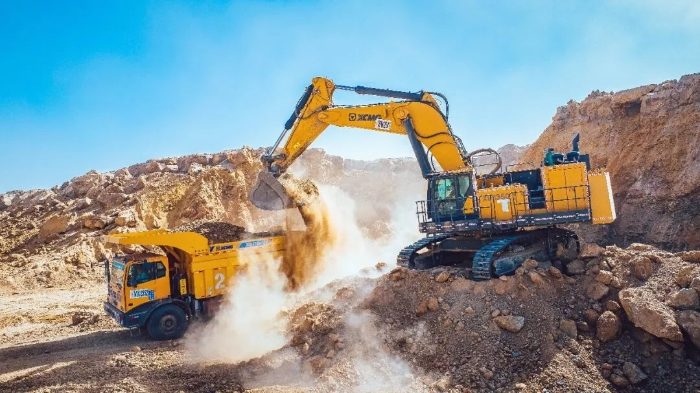
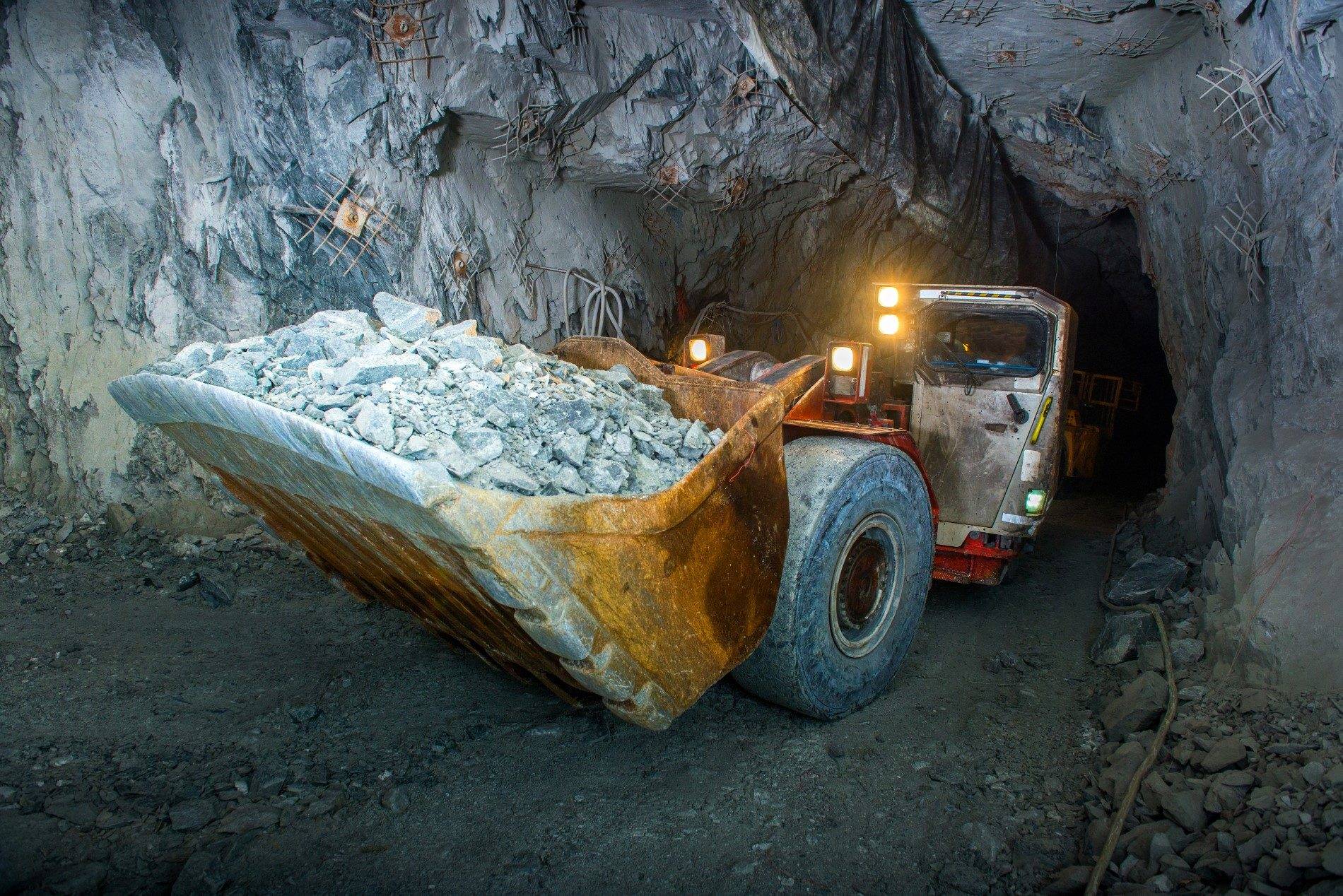
Located in northern Quebec, the Ashram project has an initial mine life of 30 years, currently developed based on only 25% of its 204.3 million tonnes of resources (with a total rare earth oxide grade of 1.9%). This open-pit mine, with an annual production capacity of 1.8 million tonnes and a low stripping ratio, will produce approximately 17,466 tonnes of marketable rare earth oxides annually, including about 4,035 tonnes of neodymium and praseodymium, 100 tonnes of dysprosium and terbium, and 230 tonnes of yttrium.
Mont Royal Managing Director Nicholas Holthouse stated in a webinar last week that the company can extract a significant amount of metal per tonne from the feed entering the plant. The project's C1 cash cost is estimated at CAD 17.99 per kilogram of marketable rare earth oxide (REO), with an all-in sustaining cost of CAD 18.58 per kilogram. Capital costs are estimated at CAD 1.23 billion (including a 30% contingency), with access infrastructure costs assumed under a shared logistics model and reflected in operating costs.
Holthouse noted that these projects are not cheap to build, but are reasonable given the resource base owned. The project is not just for five, ten, or fifteen years; the first phase is 30 years, with the capability to extend to 120 years without reconfiguration.
The PEA yielded an after-tax real net present value (at an 8% discount rate) of CAD 2.03 billion, an internal rate of return of 22%, and a payback period of 3.9 years. The mine's life-of-mine revenue is estimated at CAD 24.6 billion, and the project is expected to benefit from approximately CAD 342 million in refundable Clean Technology Manufacturing Investment Tax Credits, which have been incorporated into the after-tax cash flow.
Holthouse stated that the metallurgical process is viable, and the way the company has reconfigured the project over the past 12 months, particularly the logistics plan, is expected to save significant capital. Coming from an operational background himself, he wants to ensure delivery of a robust project that can stand on its own even during challenging times.
A key focus of Holthouse's work is building relationships with stakeholders, including governments and Indigenous peoples. A major component of the Ashram development is a 300-kilometer access road, previously estimated to cost between CAD 300 million and CAD 600 million, which Mont Royal hopes the government will build. Natural Resources Canada has agreed to provide Mont Royal with a CAD 2.6 million grant to advance the access road study.
Holthouse stated that government support is indeed growing. There has been very good engagement with the provincial government over the past four months, receiving strong support, particularly regarding capital infrastructure. Recently, the company has also started to attract some interest from the federal government. In recent months, Mont Royal has held multiple meetings with federal government representatives in Ottawa.
Earlier this month, the Naskapi Nation of Kawawachikamach launched the first phase of the Naskapi Nuuhchiimiiu Maaskinuw project, aimed at evaluating various potential access corridor options. Holthouse stated that announcements supporting infrastructure corridors are important for the government, and the government will not act without obtaining support from Indigenous groups. The Naskapi Nation is very keen to advance the logistics plan for its own purposes to gain better access to its territory.
Mont Royal recently signed a non-binding memorandum of understanding with the Saguenay Port Authority to build a hydrometallurgical facility there. Building the facility at the port (accessible year-round) rather than on-site offers logistical advantages and helps reduce project capital expenditure compared to historical studies. Holthouse sees this as a plug-and-play situation regarding power, water, and gas, receiving strong support from the provincial government, especially for locating in that region.
Holthouse stated that the company will first digest the PEA and then immediately move into a pre-feasibility study (PFS), though the PFS will begin later this year. The PEA will help accelerate negotiations with potential offtake and strategic partners. Mont Royal will also initiate environmental baseline studies and build its team.
Holthouse stated that there are many things the company needs to consider in the PFS, including producing only concentrate, which could reduce capital expenditure by approximately CAD 500 million. Some industry players are genuinely interested in taking only concentrate and then processing it hydrometallurgically themselves, or participating through a joint venture. Another direction Mont Royal will pursue is the simultaneous production of fluorspar and rare earths.
Ashram is one of the world's largest fluorspar deposits, with a resource grade of 4-6%. Preliminary test work indicates that Ashram can produce metallurgical-grade fluorspar as well as higher-grade acid-grade fluorspar products. Mont Royal has discovered up to 31.6% fluorspar along with niobium in a nearby deposit. Holthouse stated that this is a multi-faceted project with many possibilities. The current focus is indeed on rare earth elements and advancing them, but secondly, it is about monetizing the fluorspar associated with these rare earth elements.
This article is compiled by Wedoany. All AI citations must indicate the source as "Wedoany". If there is any infringement or other issues, please notify us promptly, and we will modify or delete it accordingly. Email: news@wedoany.com