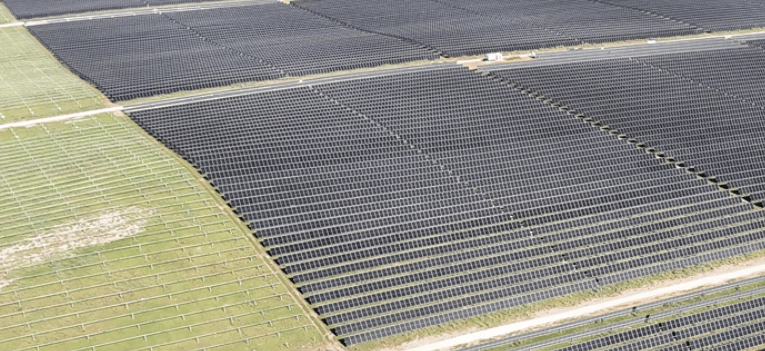
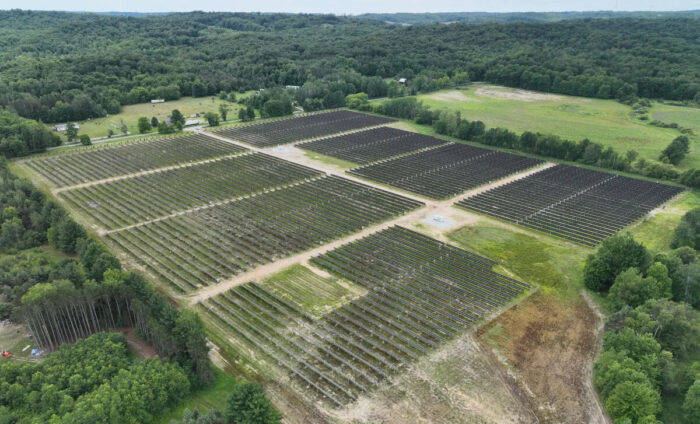
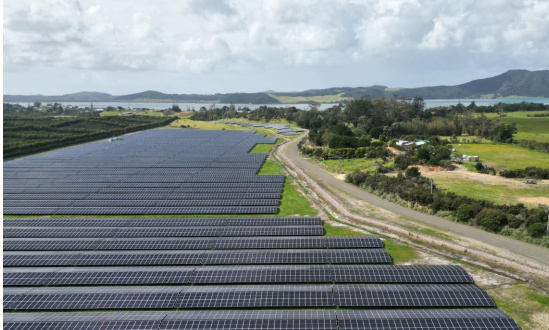
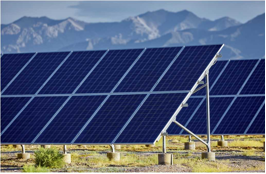
Solar panels in New Mexico, USA, leverage windblown sand for cleaning, losing only 2-3% power
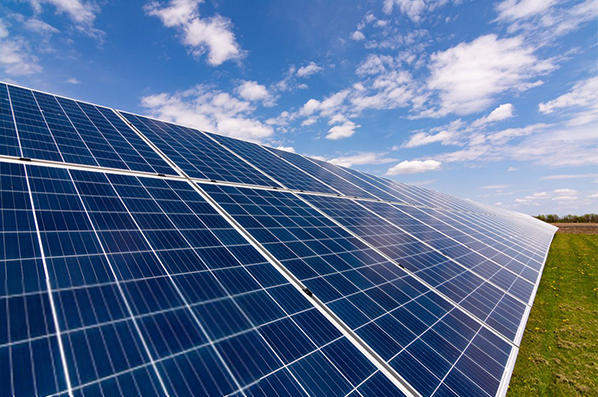
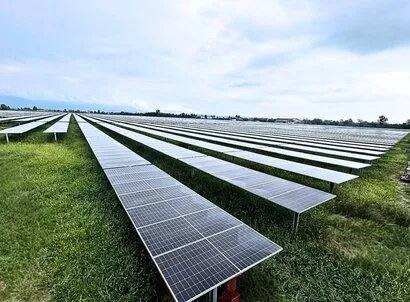
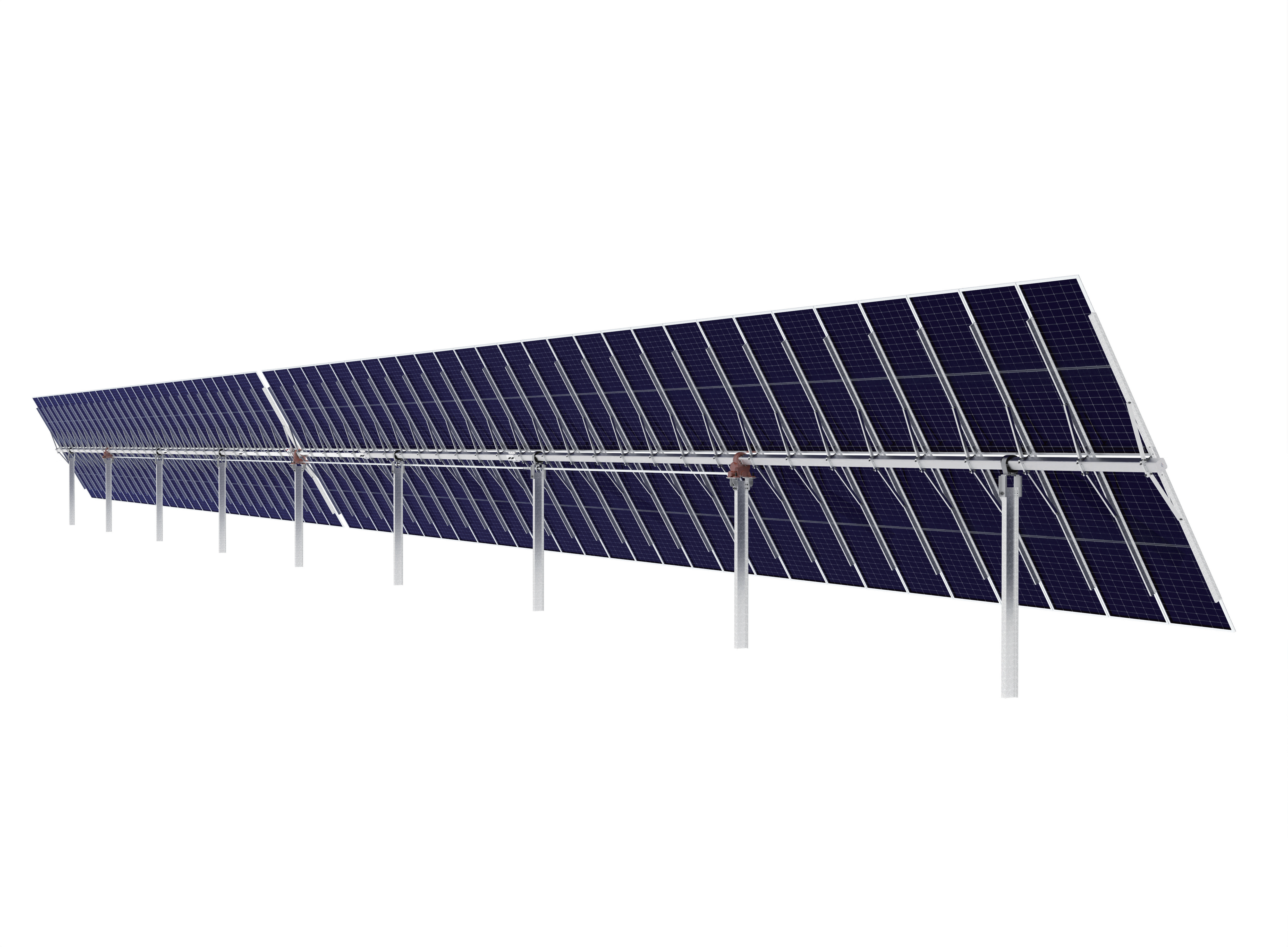
en.Wedoany.com Reported - A field measurement study published by a research team from the University of Texas at El Paso (UTEP) shows that solar panels located near the White Sands gypsum dune field in Alamogordo, New Mexico, experienced only 2% to 3% extremely low soiling-induced power loss after 22 distinct blowing sand events. The research findings have been published in the journal Atmosphere.
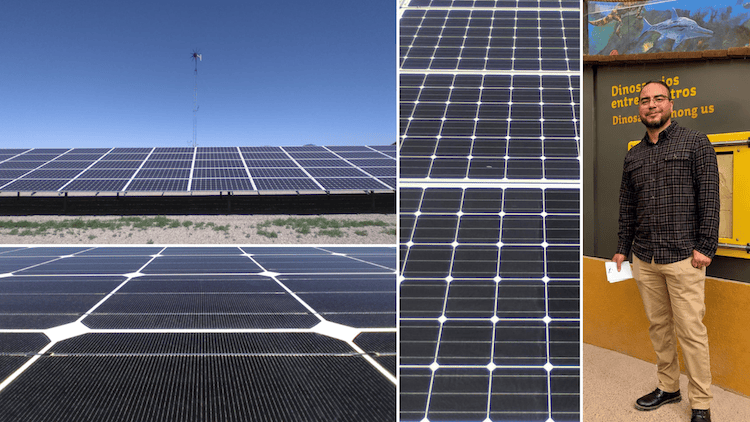
The study indicates that the prevailing south to southwest winds and high-speed gusts in the region blow directly toward the photovoltaic array, forming an efficient passive cleaning mechanism. This natural process continuously scours coarse particles and resuspends fine particles on the module surface, thereby eliminating the need for frequent, labor-intensive manual panel cleaning, which can save regional developers significant long-term operation and maintenance costs.
This field investigation was conducted at the U.S. Bureau of Reclamation's Brackish Groundwater National Desalination Research Facility (BGNDRF) in the northern Chihuahuan Desert, evaluating monocrystalline silicon (m-Si) photovoltaic modules operating under real environmental conditions. Scientists used powder X-ray diffraction (PXRD) analysis on materials scraped directly from the module glass and found significant seasonal variations in mineralogy.
Analysis results show that in autumn, quartz dominates the soiling dust, with concentrations exceeding 76%; in spring, calcite becomes the main component, accounting for 48% to 60% of the mass. Samples collected via dry extraction methods contain substantial gypsum, ranging from 23% to 49%, confirming direct atmospheric transport of mineral dust from the adjacent White Sands National Park.
The study notes that compared to standard dark desert soils, gypsum dust has lower light absorption characteristics and higher light scattering capabilities. Therefore, the unique dust composition covering the facilities structurally reduces the expected inhibition effect on solar radiation transmission. UTEP researchers analyzed meteorological data from a nearby airport to isolate the impact of wind dynamics on dust accumulation rates (DAR). During the windier spring season, nine dust events were recorded, with average wind speeds rising to 3.9 m/s, yet the dust accumulation rate increased by only 20% compared to the less windy autumn season (with only three events).
Researchers attribute this disproportionate gap to wind direction alignment. Regional blowing sand events are driven by southwest to south airflow averaging 12 m/s, with peak gusts reaching 26.2 m/s, and these vectors directly impact the south-facing front of the photovoltaic array. High-energy gusts systematically shear off sand grains, providing continuous environmental cleaning. Furthermore, this wind cleaning dynamic requires minimal precipitation assistance; cumulative light rain events of only 2.2 mm/h were entirely sufficient to wash away residual particulate matter and restore module electrical performance.
As solar installed capacity dominates modern power grids (recently accounting for approximately 77% of global renewable energy deployment), costs associated with soiling are growing exponentially. Industry data cited in the study predicts that nationwide dust-related losses range from $4.2 billion to $7.3 billion annually, highlighting the importance of operation and maintenance investments for the economics of utility-scale projects. The UTEP research team states that while the observed low degradation of 2% to 3% makes southern New Mexico a preferred low-maintenance hotspot for photovoltaic investment, asset managers still need to consider local variables. The authors recommend expanding multi-year monitoring to track the impact of wind pattern changes during the summer monsoon season, as shifts in wind direction paths could trigger alternative dust source fields and alter cleaning requirements.
This article is compiled by Wedoany. All AI citations must indicate the source as "Wedoany". If there is any infringement or other issues, please notify us promptly, and we will modify or delete it accordingly. Email: news@wedoany.com
Related Products

Oil-immersed Amorphous Alloy Core Distribution Transformer
Pinggao Group Smart Electric Co., Ltd.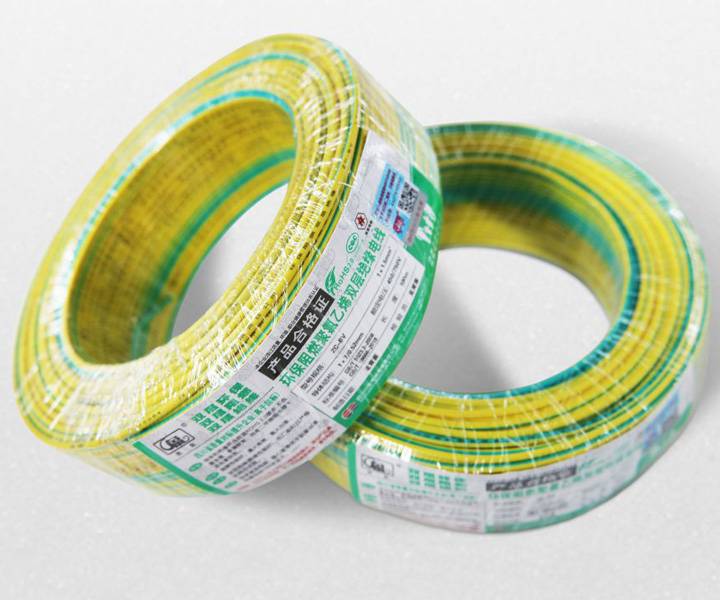
Environmentally Friendly Flame-retardant PVC Double-layer Insulated Wire
Sichuan Chndo Cable Co., Ltd.


G.652.D Wavelength-extended Non-dispersion Shifted Single-mode Optical Fiber
HONGAN GROUP CO., LTD.
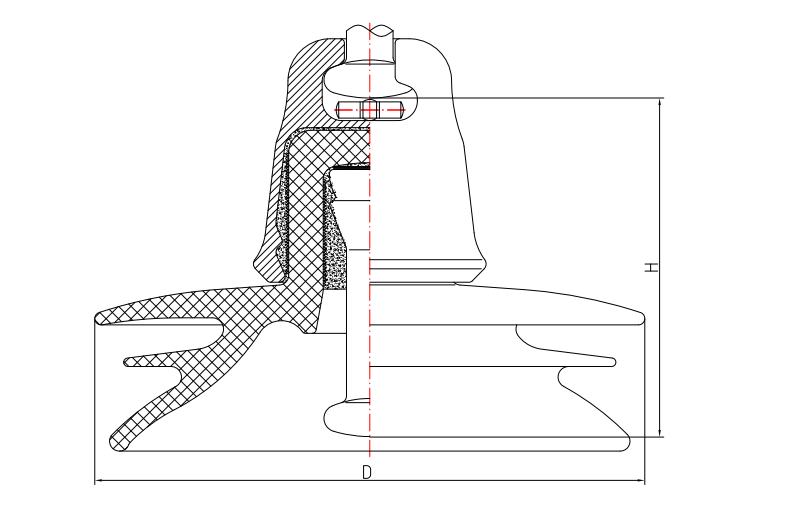
Post-type AC Pollution-resistant Disc Suspension Porcelain Insulator (Triple Umbrella Type)
Shandong High Voltage Insulator Co., Ltd.