South Africa reaps $2.1 billion from Zimbabwe mining in 2025
en.Wedoany.com Reported - South Africa gains far more from Zimbabwe's mining industry than it gives back, with trade data revealing a severely imbalanced economic relationship between the two countries.
According to data from the United Nations Comtrade Database (COMTRADE) via Trade Map, Zimbabwe imported goods worth $3.804 billion (approximately ZAR 62.4 billion) from South Africa in 2025, a steady increase from $3.697 billion (ZAR 60.75 billion) in 2024 and $3.499 billion in 2023. In the same year, South Africa's imports from Zimbabwe amounted to only $526.42 million (approximately ZAR 8.66 billion), meaning Zimbabwe imports about $7 from South Africa for every $1 it exports. South Africa is Zimbabwe's largest source of imports, accounting for 34.5% to 38.8% of its total monthly imports throughout 2025. In December 2025, South Africa supplied 38.8% of Zimbabwe's imports, compared to China's 15.5% and Bahrain's 13.5%. In the first seven months of 2025, imports from South Africa fell by over 6% to about $2 billion (ZAR 32.87 billion), down from over $2.3 billion (ZAR 37.8 billion) in the same period of 2024. Key mining-related imports from South Africa in 2025 included: machinery and mechanical appliances, valued at $526.57 million (ZAR 8.65 billion); mineral fuels and oils, valued at $252.51 million (ZAR 4.15 billion); and cereals, valued at $506.93 million (ZAR 8.33 billion).
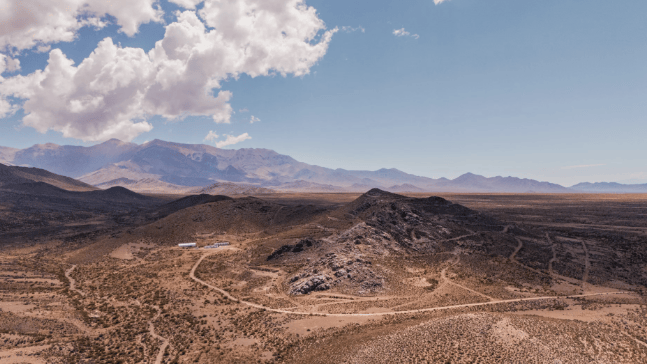
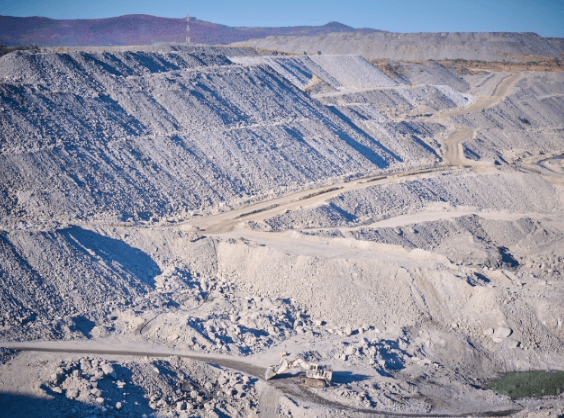
Zimbabwe's mining industry generates approximately $5.4 billion (ZAR 88.76 billion) in revenue, of which nearly $2.1 billion (ZAR 34.5 billion) is spent on importing machinery, equipment, and services, primarily from South Africa. A report from the African Export-Import Bank (Afreximbank) indicates that Zimbabwe's total intra-African mining-related imports amount to $4.7 billion (ZAR 77.25 billion), with 80% originating from South Africa. Zimbabwe's domestic manufacturing sector meets only about 15% of the mining industry's demand, with the remaining $2.1 billion of industry revenue flowing directly to South Africa.
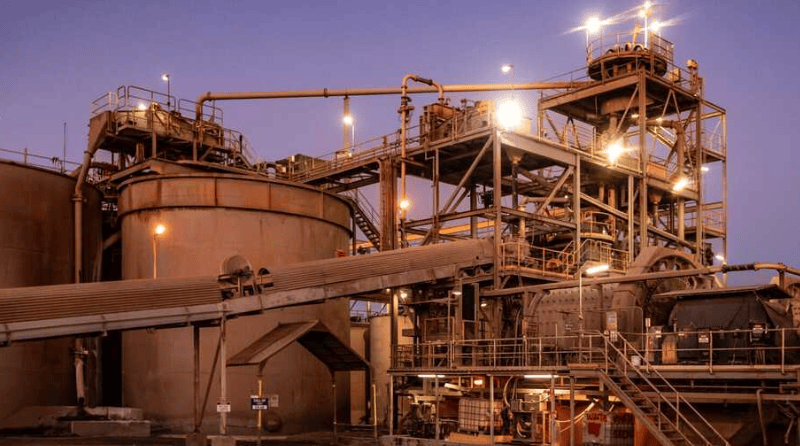
Zimbabwe holds the world's third-largest platinum group metals (PGM) resources, yet all three operating PGM mines in the country are majority-owned by South African companies. Zimplats, 87% owned by South Africa's Impala Platinum Holdings (Implats), produced 606,300 ounces of 6E metal (PGMs plus gold) matte in fiscal year 2025, a 6% decline from 645,900 ounces in fiscal year 2024. Mimosa Mining Company, jointly owned by Implats (50%) and Sibanye-Stillwater (50%), produced 253,900 ounces of 6E concentrate in fiscal year 2025, a slight 1% decrease from 255,400 ounces in fiscal year 2024. Unki Platinum Mine, wholly owned by South Africa-based Valterra Platinum (formerly Anglo American Platinum), produced 219,700 ounces of PGM concentrate in 2025, but third-quarter output fell 8% year-on-year. Tharisa's Karo Platinum project is also under construction, with production expected to begin in the second half of 2027. According to the World Platinum Investment Council, Zimbabwe's platinum production is forecast to decline by about 4% in 2025 to 491,000 ounces. Namibian Minerals, founded by South African tycoon Mzi Khumalo, owns several gold mines in Zimbabwe, including How Mine, Mazowe Mine, and Redwing Mine. How Mine is currently Zimbabwe's fourth-largest gold-producing mine, and Namibian Minerals has the potential to become Zimbabwe's largest gold producer if all operations recover. South Africa-based Caledonia Mining also extracts gold from Zimbabwe.
In the refining stage, Zimplats ships its matte to Impala Refinery in Springs, South Africa, for processing under a mine-life agreement with Impala Refining Services. High-value chain segments such as refining, tax revenue, and value addition are all captured by South Africa. Although Zimplats' $398 million smelter expansion project is a step toward local beneficiation, the vast majority of Zimbabwe's PGM output is still processed abroad.
Zimbabwe's mining industry also heavily relies on South Africa for electricity supply. In the first quarter of 2025, the country's electricity imports fell by 37.4% to 305.5 GWh, with 34% of imported power coming from South Africa's Eskom, while Mozambique's HCB and EDM supplied 37.5% and 10.2%, respectively. For the full year, Zimbabwe spent $117 million (ZAR 1.92 billion) on electricity imports, the lowest annual figure in five years.
Zimbabwe's manufacturing sector operates at only 56.2% capacity utilization, far below the mining sector's 81%-84%. The country's Localization Strategy, approved in 2019, set local procurement targets, while South Africa's localization strategy requires at least 70% of mining products and 80% of services to be sourced locally. However, as of 2025, only 15% of mining industry demand is met by Zimbabwean local manufacturers. Zimbabwe contributes billions of dollars annually to South Africa's economy through mining imports, equipment purchases, refinery throughput, electricity, and dividends. The core question is whether Zimbabwe can benefit from its own minerals as South Africa does.
Related Products

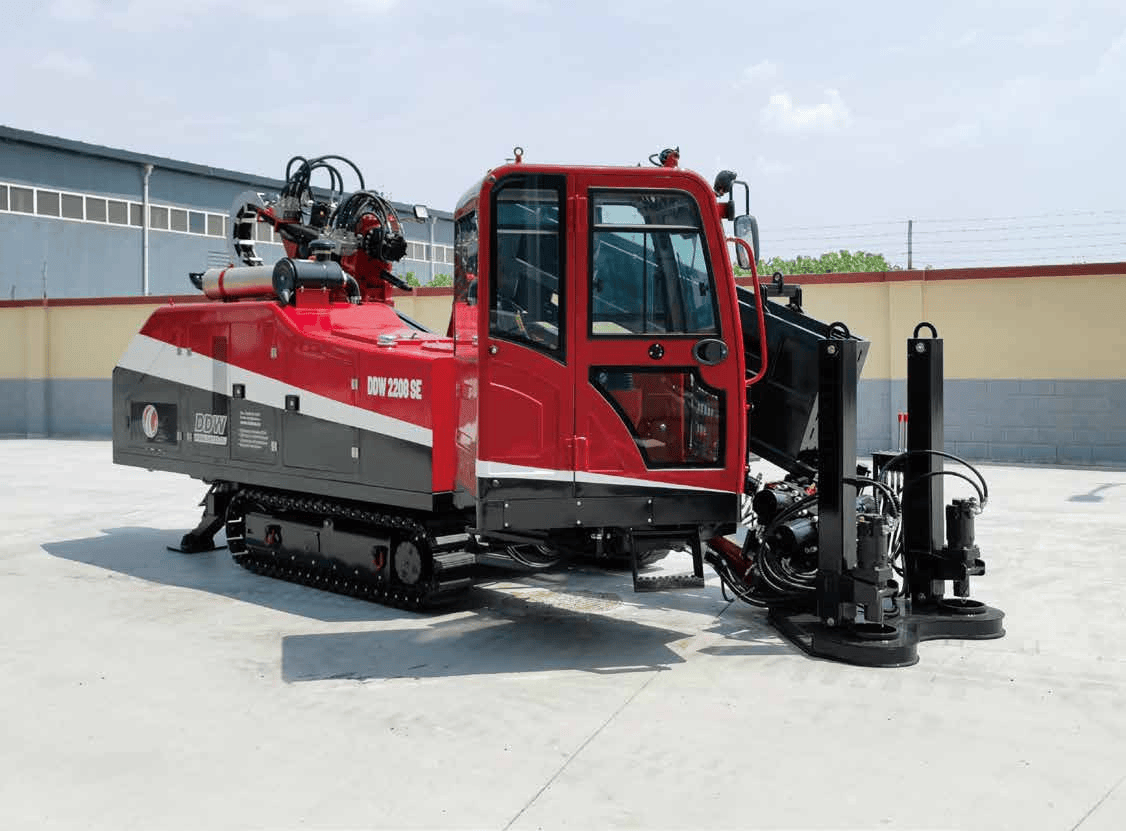
DDW22/08SE-HORIZONTAL DIRECTIONAL DRILL
DW/TXS Construction Equipment (Beijing) Co., Ltd.

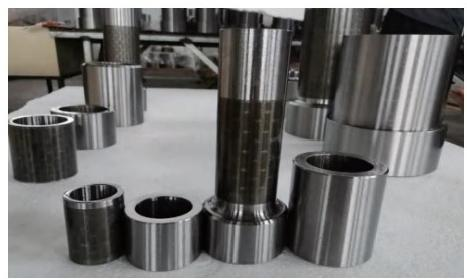
High-temperature Equal Wall Thickness High-power Screw Drilling Tool
Orient Energy & Technologies Co., Ltd.
Comprehensive Mining Automation Control System
Beijing Tianma Intelligent Control Technology Co., Ltd.
Mine Explosion-proof and Intrinsically Safe Industrial Ethernet Ring Network (10 Gigabit/Gigabit)
Chongqing Mas Sci&Tech Co., Ltd.
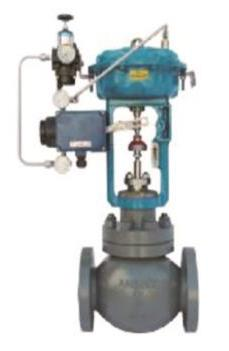
Quick-Change Single-Seat Control Valve / Quick-Change High-Pressure Single-Seat Control Valve
Beijing Consen Automation Technology Co., Ltd.