As of May, AquiPor Technologies in the U.S. Plans to Pilot Porous Concrete Technology
en.Wedoany.com Reported - AquiPor Technologies, a U.S. company, has developed a porous concrete technology that achieves porosity at the molecular level through fine sand or powdered additives, enabling the concrete to be both permeable and structurally strong. The company plans to launch pilot projects in multiple cities. This technology aims to address the pain point of traditional permeable concrete failing due to pollutant clogging, with maintenance methods including vacuuming, sweeping, or high-pressure cleaning.
Concrete is the second most used material on Earth after water, with an annual global coverage equivalent to the area of New York City. Urban flooding is becoming increasingly severe, and even with well-established stormwater infrastructure, ordinary concrete pavement forms a solid channel for water, exacerbating waterlogging. New York City has allocated $32 million to lay permeable pavement over seven miles of roads in Brooklyn, aiming to divert millions of gallons of stormwater and reduce flooding and sewage overflows.
Greg Johnson, founder and CEO of AquiPor Technologies, explains that traditional permeable concrete is essentially a coarse aggregate mixture without fine sand, allowing water to flow through large voids formed within the material, but it is prone to clogging by pollutants. The company's technology produces a fine sand or powdered product that passes through a 325-mesh sieve. When mixed into a standard concrete mixture, it creates a porous structure with smaller pore sizes at the molecular scale. Chemically, this material affects the hydration and curing process, with some mixtures exhibiting higher later-age strength and pozzolanic activity.
As of May 2026, AquiPor Technologies is seeking commercial pilot projects and has pilot opportunities in Milwaukee, Spokane, and Los Angeles. The company's products can be applied to dry-cast paving products, precast concrete, and also used in ready-mix mixtures, suitable for volumetric mixers or ready-mix concrete plants. Johnson states that the current phase involves producing enough product to facilitate pilots and institutional partnerships.
The construction of permeable concrete differs little from traditional processes, but team training is crucial. The finishing of permeable concrete is distinctly different; long-handled floats or trowels cannot be used for smoothing, as excessive handling may seal surface pores. The company recommends mechanical or chemical erosion treatment after paving to remove the paste layer and promote porosity. The batching and pouring tolerances for permeable concrete are narrow, and improper water-cement ratios or adverse external conditions can significantly impact pouring quality.
Regarding foundation preparation, any water flowing through permeable concrete requires a reservoir. The foundation and aggregate base should not be over-compacted and must remain permeable. Soil hydrology is a key factor; heavy clay soils may require drainage systems, while more permeable soils can use loosely compacted coarse sand. The reservoir size must be determined based on the natural soil hydrology of the site.
In terms of cost, permeable concrete is 10% to 25% more expensive than traditional concrete mixtures, and in some cases, costs can be two to three times higher. Johnson emphasizes the need to consider total infrastructure costs; for example, implementing this technology on 10 miles of road could reduce the amount of gray infrastructure (stormwater pipes, conduits) below, thereby lowering overall costs. However, each project requires individual modeling and assessment.
Permeable or porous concrete pavement is seen as a partner to, rather than a replacement for, stormwater infrastructure. Johnson likens it to a pressure relief valve: every gallon of stormwater intercepted slows the flow, reduces peak flow rates, and eases the burden on downstream systems. Many U.S. cities rely on combined sewer systems, which may discharge directly into water bodies when overloaded. Increasing permeable concrete pavement can alleviate flooding and reduce system pressure. Johnson believes the market is ready, with regulatory support from the federal to municipal levels, and cities need to manage stormwater on-site, making porous concrete conceptually the right direction.
Related Products

YZR (450-560) Series Wound Rotor Three-Phase Asynchronous Motors for Crane and Metallurgical Applications
Jiamusi Electric Machine Co., Ltd.
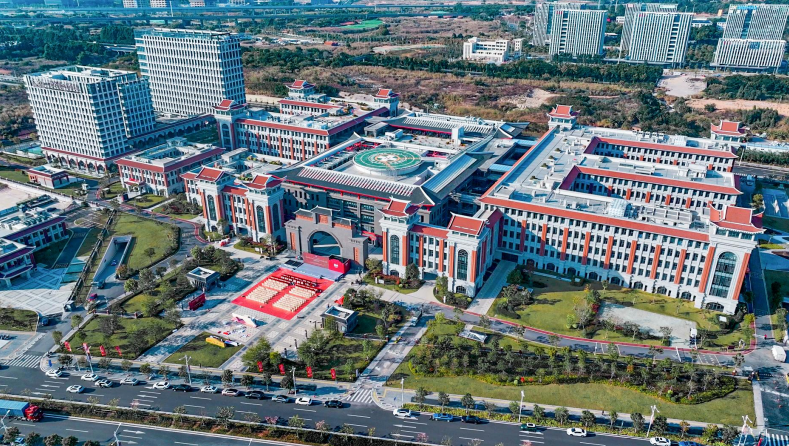
West China Xiamen Hospital of Sichuan University
Wuhan Huakang Century Clean Technology Co., Ltd.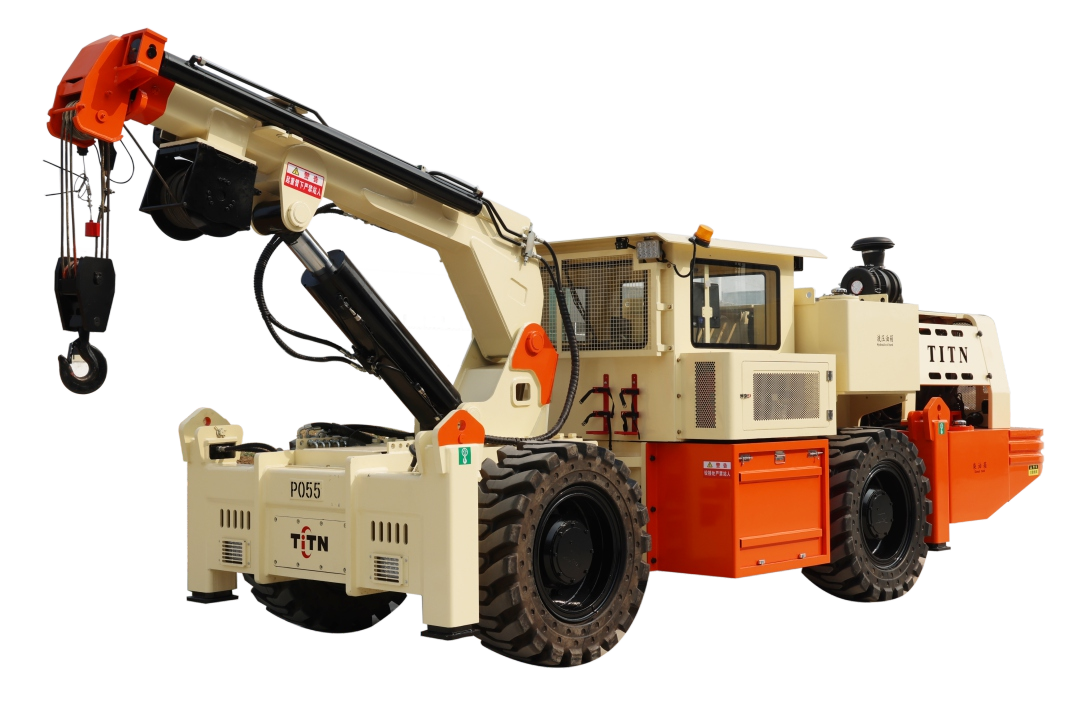
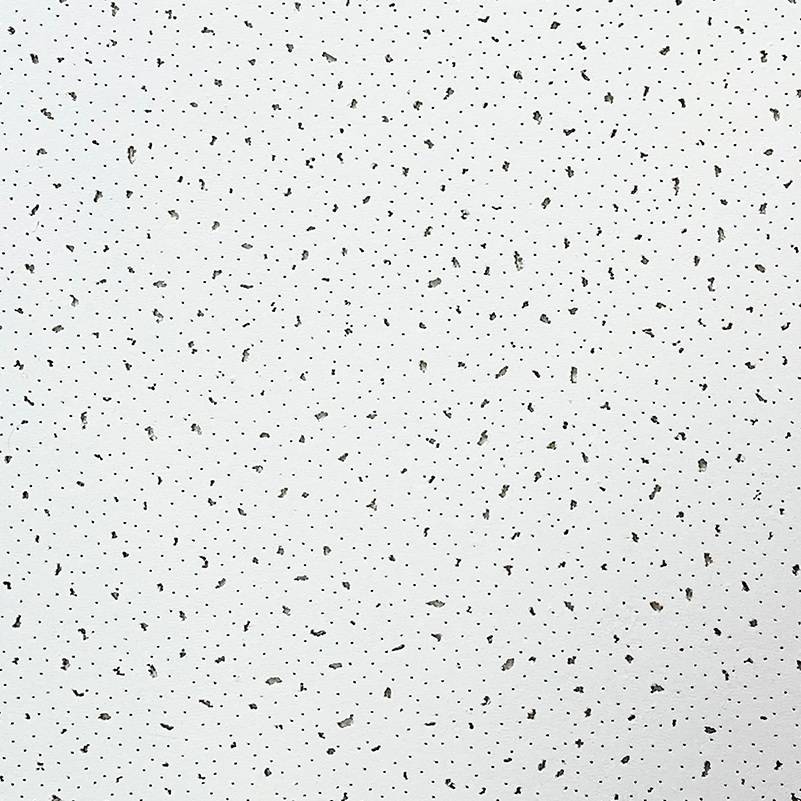
Acoustic Mineral Fiber Ceiling Tile 595x595x12mm
Shanxi Pano Trading Co., Ltd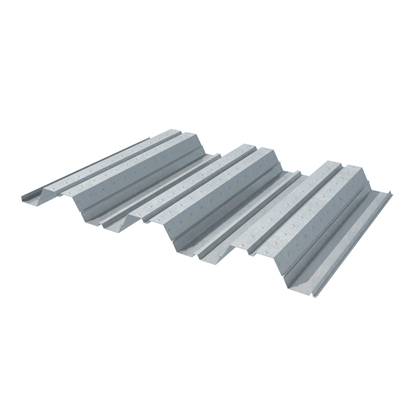
ERW Welded Pipe (Black Pipe and Hot-dip Galvanized Steel Pipe)
Handan Zhengda Steel Pipe Co., Ltd.
RISITA explosion-proof air conditioning
Guangdong RISITA Air Conditioning Equipment Co.,Ltd.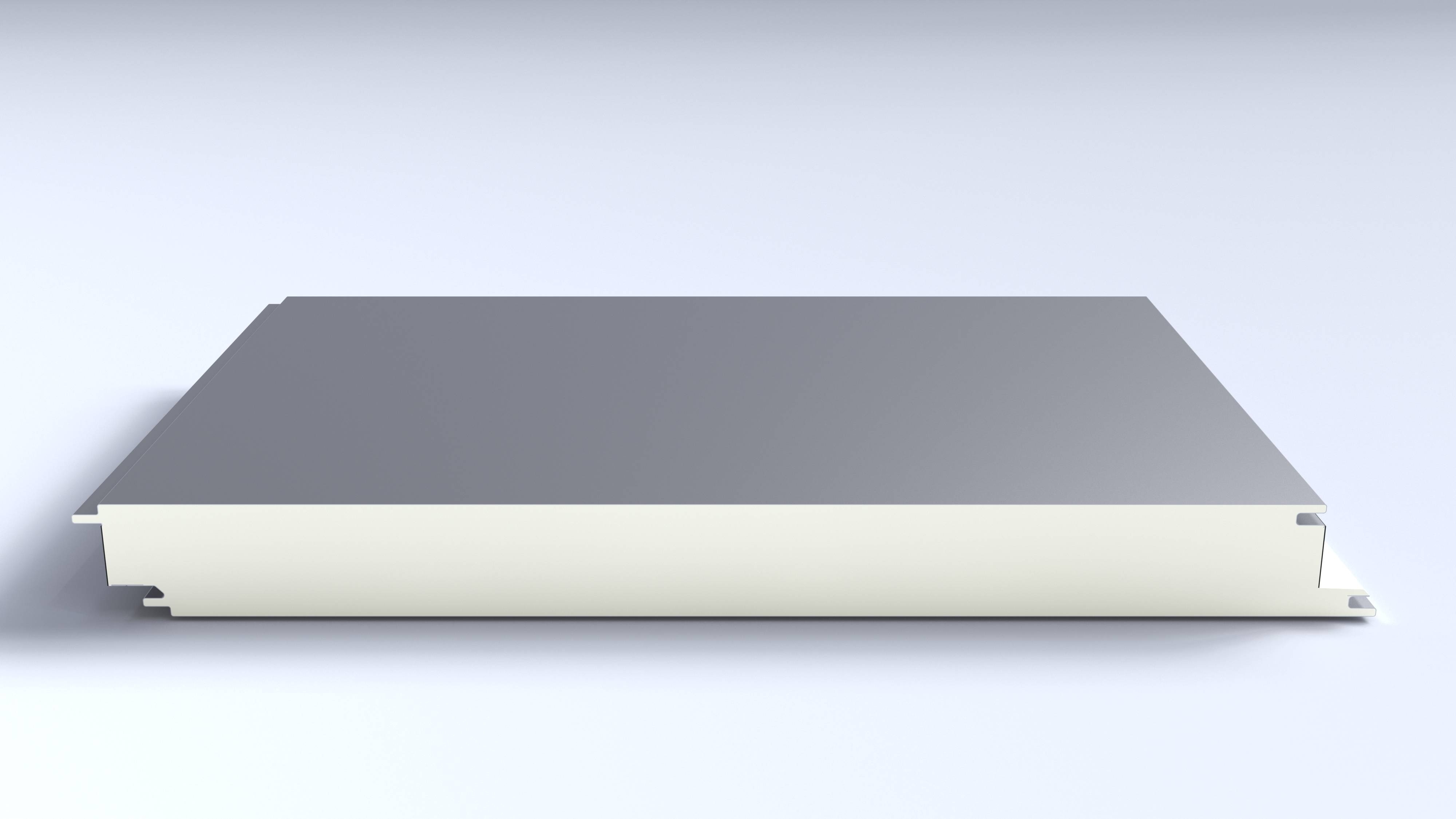
Pure Polyurethane Wall Panel BD-AEF-PIR-01
Baodu International Engineering Technology Co., Ltd.