How Automatic Dosing Reduces Overdosing and Water-Quality Variation
en.Wedoany.com Reported - Traditional dosing systems are often adjusted by operators changing pump frequency or stroke according to experience. However, raw-water flow, temperature, turbidity, and contaminant concentration change continuously, and fixed settings can cause underdosing or overdosing.
Flow-based feedforward control changes the chemical dose in proportion to influent flow and is suitable when water quality is relatively stable but flow varies significantly. If contaminant concentration per unit of water changes substantially, a flow signal alone remains insufficient.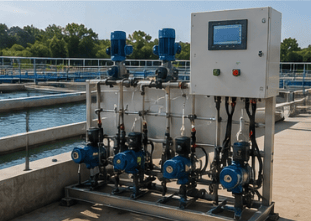
Feedback control adjusts the Chemical Dosing System according to treated-water pH, turbidity, disinfectant residual, phosphate, or other quality results. Its advantage is that it reflects actual treatment performance, but sensor measurement and process reactions introduce time delays.
Combining feedforward and feedback improves control stability. The system first calculates a base dose from water flow and historical quality and then makes smaller corrections from online results, preventing large oscillating adjustments caused by delayed feedback.
Some coagulation systems also require jar testing, streaming-current measurement, or other methods to determine the optimum dose. Changes in raw-water temperature and organic matter can alter coagulation performance, and historical dosage should not remain unchanged indefinitely.
Disinfectant dosing must consider both microbial control and by-product risk. Insufficient dosing may fail to meet the disinfection objective, while excessive dosing can increase residual concentration, corrosion, or disinfection by-product concerns.
The system should provide alarms for low chemical level, pump failure, blocked piping, excessive pressure, and chemical leakage. Duty and standby pumps can maintain critical dosing during equipment failure, but they require regular changeover and testing.
The purpose of automation is not to eliminate human judgement completely. It is to adjust the process stably within the normal range and allow operators to focus on abnormal source water, equipment failure, and changes in chemical quality.
Related Products

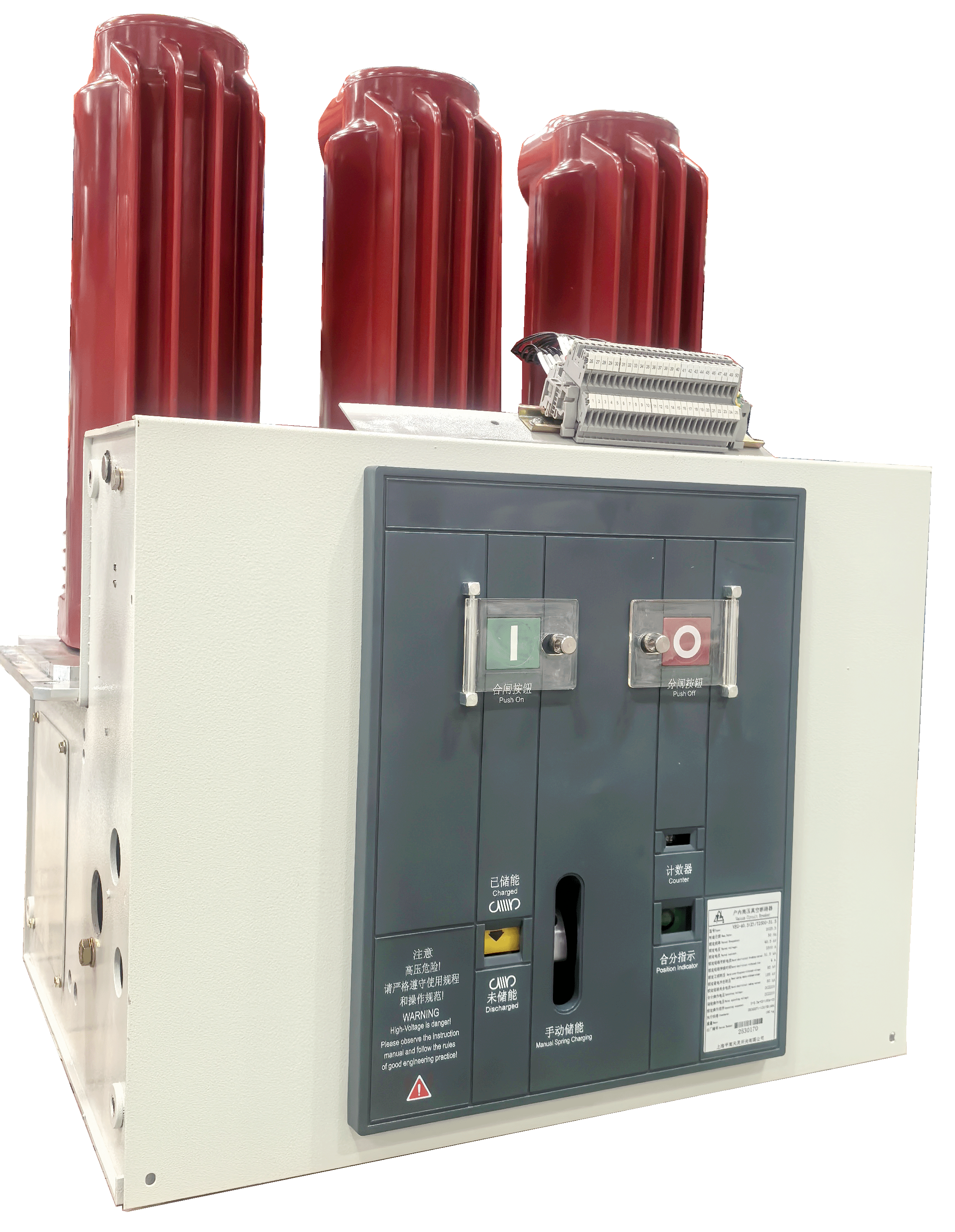
VEG-12/24/40.5 Series Vacuum Circuit Breaker
SHANGHAI PINGGAO TIANLING SWITCHGEAR CO., LTD.
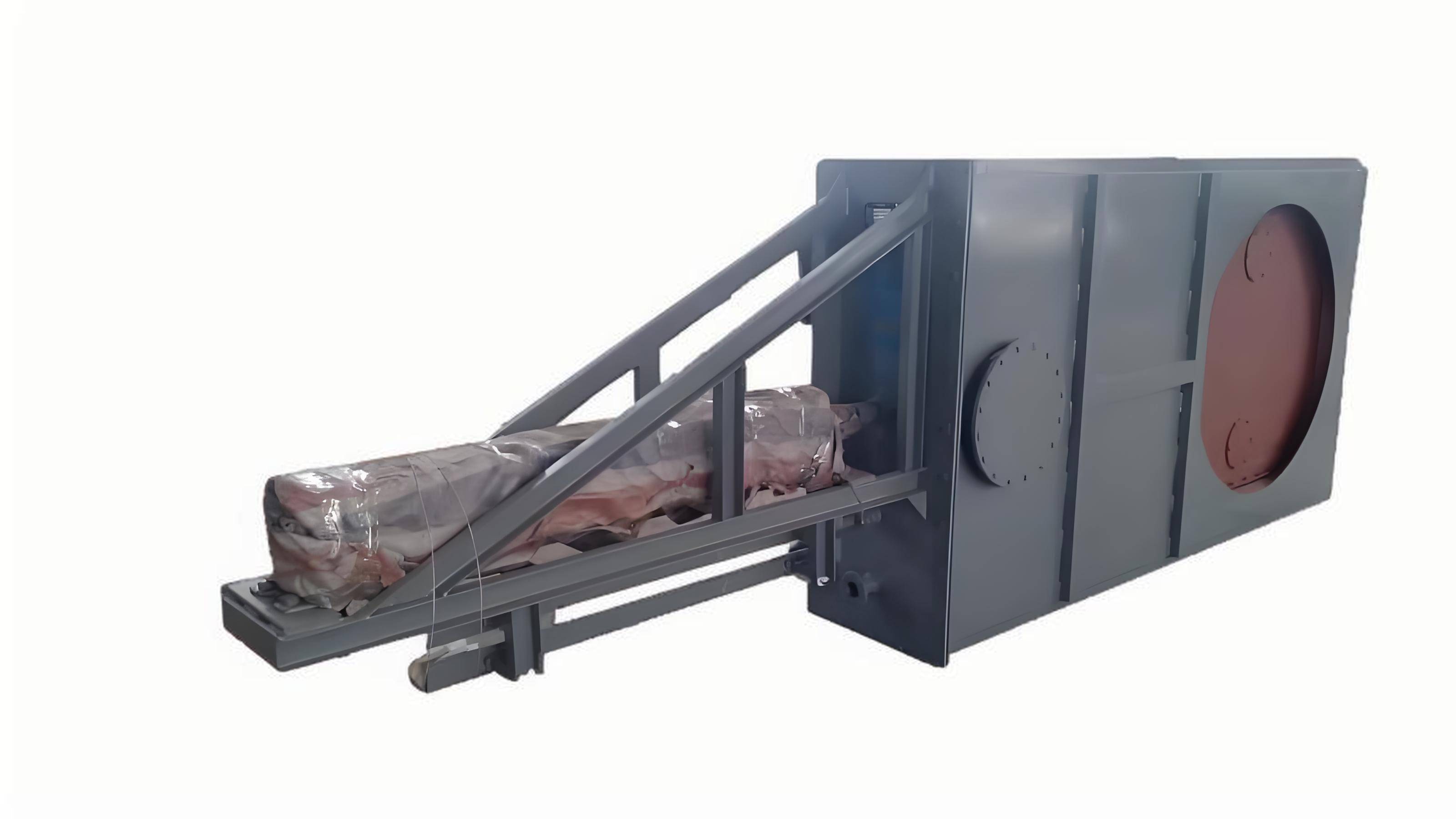
Double-slide Triple-sealed Hot Air Isolation Door
Xi'an Yingchuan Electric Power Equipment Co., Ltd.
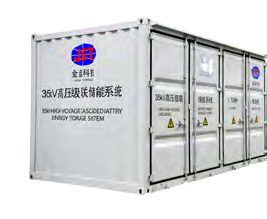
6kV-35kV Medium and High Voltage Direct-Connected Energy Storage System
Hainan Jinpan Smart Technology Co., Ltd.
220kV Composite Outdoor Cable Terminal
Shenyang Guolian Cable Accessories Manufacture Co., Ltd.