Trump Signs Executive Order Seeking to Revitalize Us Shipbuilding
Wedoany.com Report-Apr. 10, On Wednesday, U.S. President Donald Trump signed an executive order in the Oval Office to strengthen American shipbuilding and lessen reliance on foreign dominance in global shipping. He promised significant funding increases for the initiative in the coming years. The move addresses long-standing concerns from both Republican and Democratic lawmakers about the decline in U.S. naval capabilities and the growing influence of other nations, particularly China, in maritime industries.
U.S. President Donald Trump holds a signed executive order on 'Zero-Based Regulatory Budgeting To Unleash American Energy', in the Oval Office at the White House in Washington, D.C., U.S., April 9, 2025.
Senators Mark Kelly, a Democrat, and Todd Young, a Republican, expressed support for the order. They plan to reintroduce bipartisan legislation to secure congressional backing for revitalizing the sector. The executive order instructs the U.S. Trade Representative (USTR) to advance a plan that includes imposing substantial port docking fees—amounting to millions of dollars—on ships from fleets with vessels built or registered in China. The USTR is also urged to encourage allied nations to adopt similar measures. A final decision on these fees is due by April 17.
The proposal for port fees, initially recommended by the USTR, faced opposition from commodity exporters, trade organizations, and U.S. ship operators. They cautioned that such fees could disrupt supply chains, lead to job losses in port cities, and increase inflation. USTR Jamieson Greer addressed these concerns on Wednesday, stating: “This could have been a miscommunication issue, some people thought that all of those measures would be imposed.” After reviewing feedback, he noted that only the most suitable measures would be selected, with a final decision expected mid-month.
Additionally, the order directs the USTR to explore tariffs on ship-to-shore cranes and other cargo-handling equipment linked to Chinese manufacturing or influence. It also mandates the Department of Homeland Security to enforce Harbor Maintenance Fees and prevent cargo carriers from avoiding these charges by rerouting through ports in Mexico or Canada before entering the U.S. via land.
Speaking to reporters, Trump remarked: “We’re way, way, way behind. We used to build a ship a day, and now we don’t do a ship a year, practically, and we have the capacity to do it.” Recent data from the Center for Strategic and International Studies shows the U.S. accounts for less than 1% of global commercial ship production, while China produces roughly 50%, up from 5% in 1999. To counter this, the order establishes a Maritime Security Trust Fund to ensure steady funding—potentially from tariffs, fees, or taxes—for enhancing U.S. maritime infrastructure, including shipyards and repair facilities. It also promotes incentives for private investment in the industry, which has declined since its peak in the 1970s due to high costs and regulatory challenges.
Related Products


D12 Humanoid Robot
Automation Research Institute Co., Ltd. of China South Industries Group Corporation
![IVECO Cash-in-Transit [DMT5048XYCL3-AM] - Chongqing Dima Industry Co., Ltd](https://img.wedoany.com/2026/0911/20260911030157582.png)


Industrial and Commercial Point-Type Gas Detector
Jinan Benan Technology Development Co., Ltd.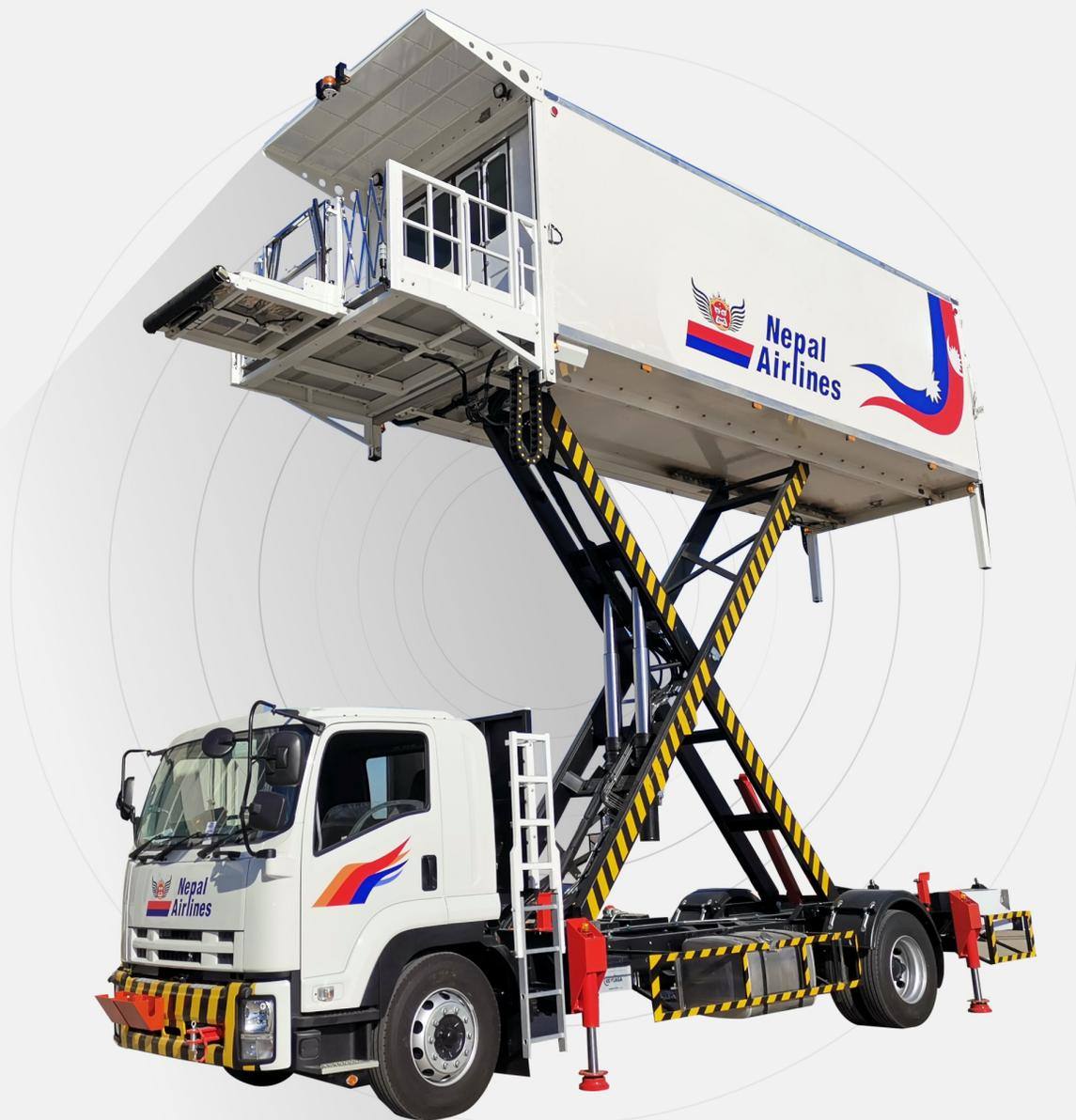
XC-6000e Type Aviation Catering Truck (Fuel Type)
Shenzhen CIMC-TianDa Airport Support Ltd.