UK's Castlebrooke Launches Public Consultation for 1,000-Home Plan in Belfast
en.Wedoany.com Reported - UK-based Castlebrooke Investments has unveiled initial design details of a redevelopment plan aimed at transforming a six-acre historic area in Belfast city centre into a new residential community.
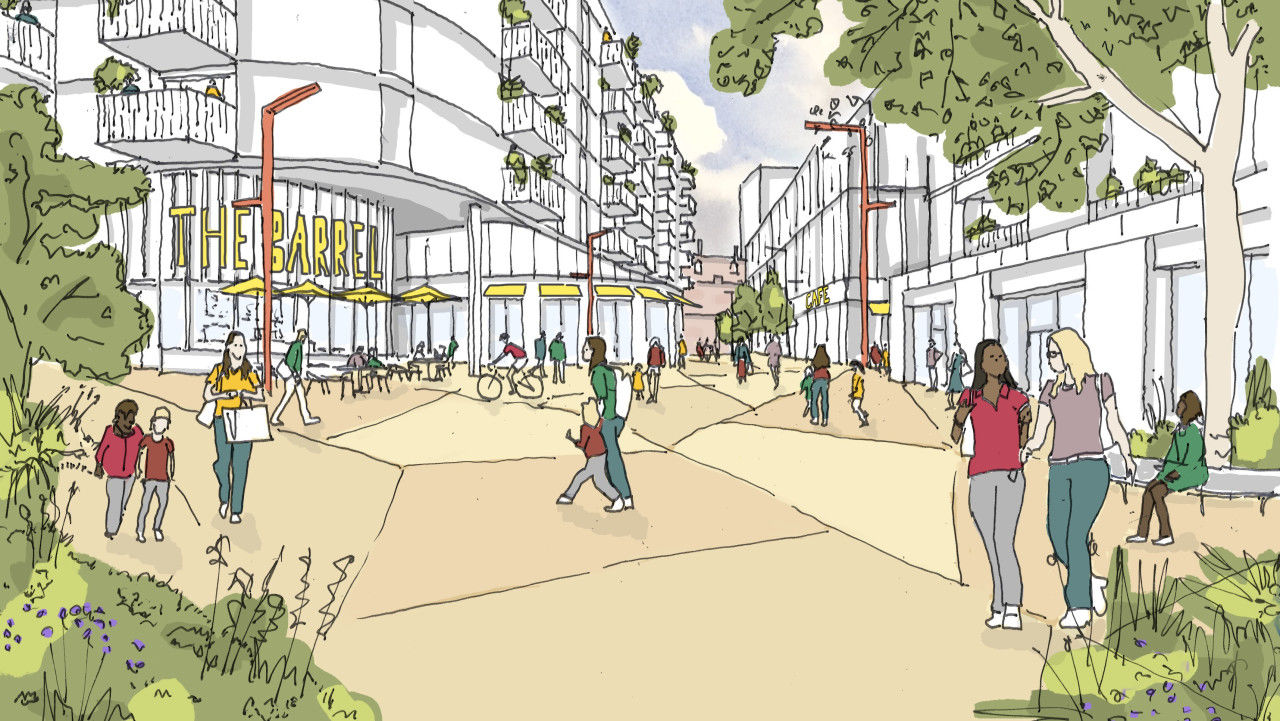
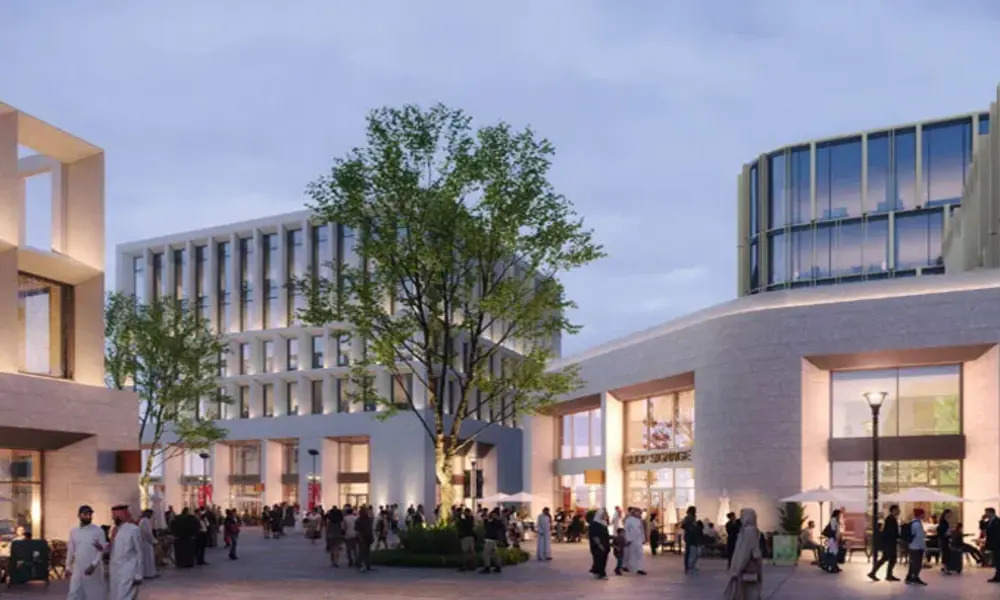
The North Street-Donegall Street project will revitalise the area surrounding these two historic streets, with the site adjacent to Royal Avenue and including Writer's Square. The vision is to create a vibrant new place to live in the city centre.
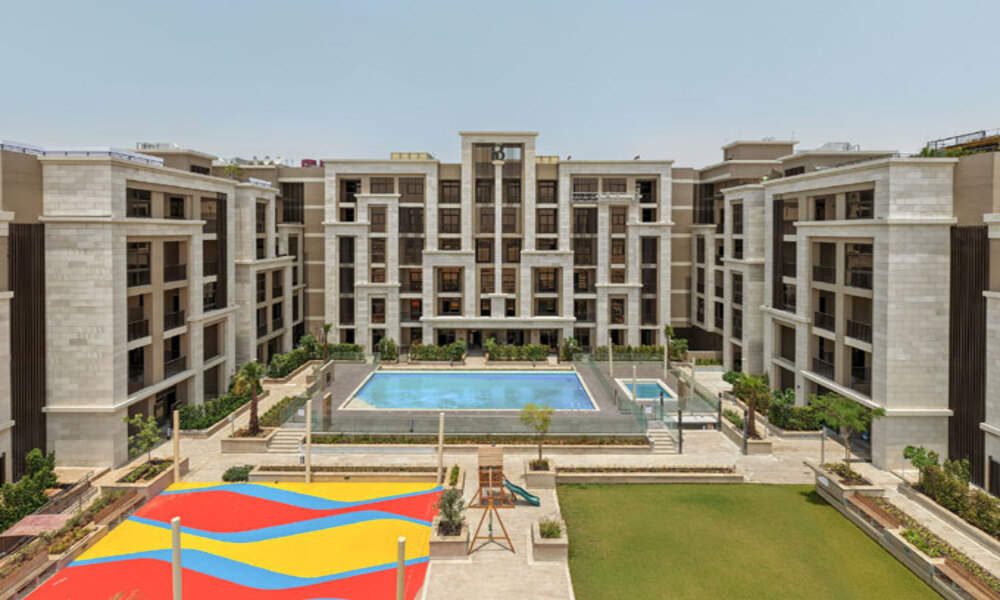
Proposals include approximately 1,000 new homes, encompassing social and affordable housing; two four-star hotels; and up to 100,000 square feet of mixed commercial and community space, including shops, restaurants, cafes, and service facilities.
An in-person public consultation event is scheduled for June 30 and July 1 at the Masonic Hall on Rosemary Street, allowing stakeholders to learn about the evolving planning details.
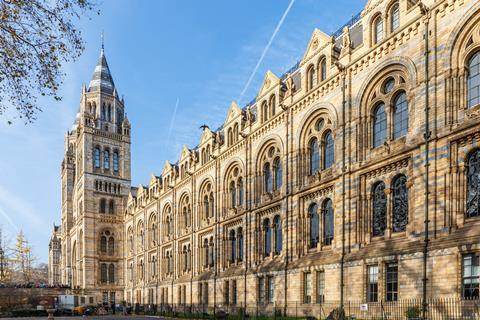
Key developments outlined in the proposal include: a new public square opening onto Royal Avenue and North Street, surrounded by bars and restaurants, currently a surface car park behind the historic First Presbyterian Church, Belfast and the Masonic Hall. Restoration of five listed buildings, including the Masonic Hall, Garfield Bar, and the facade of the former North Street Arcade. A new street named Long Lane, restoring views from North Street towards Belfast Cathedral. This street leads to Writer's Square, flanked by commercial premises with residential above, and includes a new 220-room hotel. A proposed 150-room boutique hotel in a refurbished listed building on Royal Avenue, opposite Castle Court. A new courtyard reflecting the location of the original Brown Linen Hall – Belfast's first linen hall – off Donegall Street, surrounded by residential units, including 60 social and affordable homes. The entrance to the former North Street Arcade will be retained, leading to a new courtyard with commercial uses on either side. Writer's Square is envisioned as a greener space with additional seating, bars, and restaurants to enhance vitality, with the public sector leading extensive public engagement to determine the square's specific scheme.
The project aims to foster a sense of community, with proposals including homes suitable for different life stages and needs, enabling people to live in the area long-term. Estimates compiled by Oxford Economics indicate that the project could generate a Gross Value Added (GVA) of £195 million during construction, supporting 2,600 jobs; residential development would create 470 permanent full-time jobs, commercial development 600 jobs, in addition to over £10 million in annual tourist spending. Upon completion, the project is expected to support £60 million in GVA annually.
Gerry Hughes, leading the project's design professional team, stated that this is a major opportunity to inject new vitality into one of the city centre's most historic areas. The team's vision is to create a new residential community, people-centric, with new homes, new streets, new public spaces, and new activities. He believes Belfast needs more homes, and this is the right location to build a new community, close to jobs, education, culture, transport, and city centre living, aiming to create a place rooted in Belfast, blending heritage with high-quality, world-class design. The scheme proposes new and improved routes, revitalising public squares to create vibrant, inclusive spaces for residents and visitors, with plans including the restoration of multiple listed buildings to preserve Belfast's heritage for future generations.
These proposals have been designed with input from investors, operators, and hotel chains to ensure the development meets market expectations. Feedback on the new proposals will be considered before a full planning application is submitted in autumn 2026. Once planning permission is granted, the first delivery could be the hotel on Royal Avenue, expected to be completed by the end of 2027, with negotiations currently underway with potential operators. The remainder of the project would be developed over the subsequent four to five years.
Related Products

West China Xiamen Hospital of Sichuan University
Wuhan Huakang Century Clean Technology Co., Ltd.
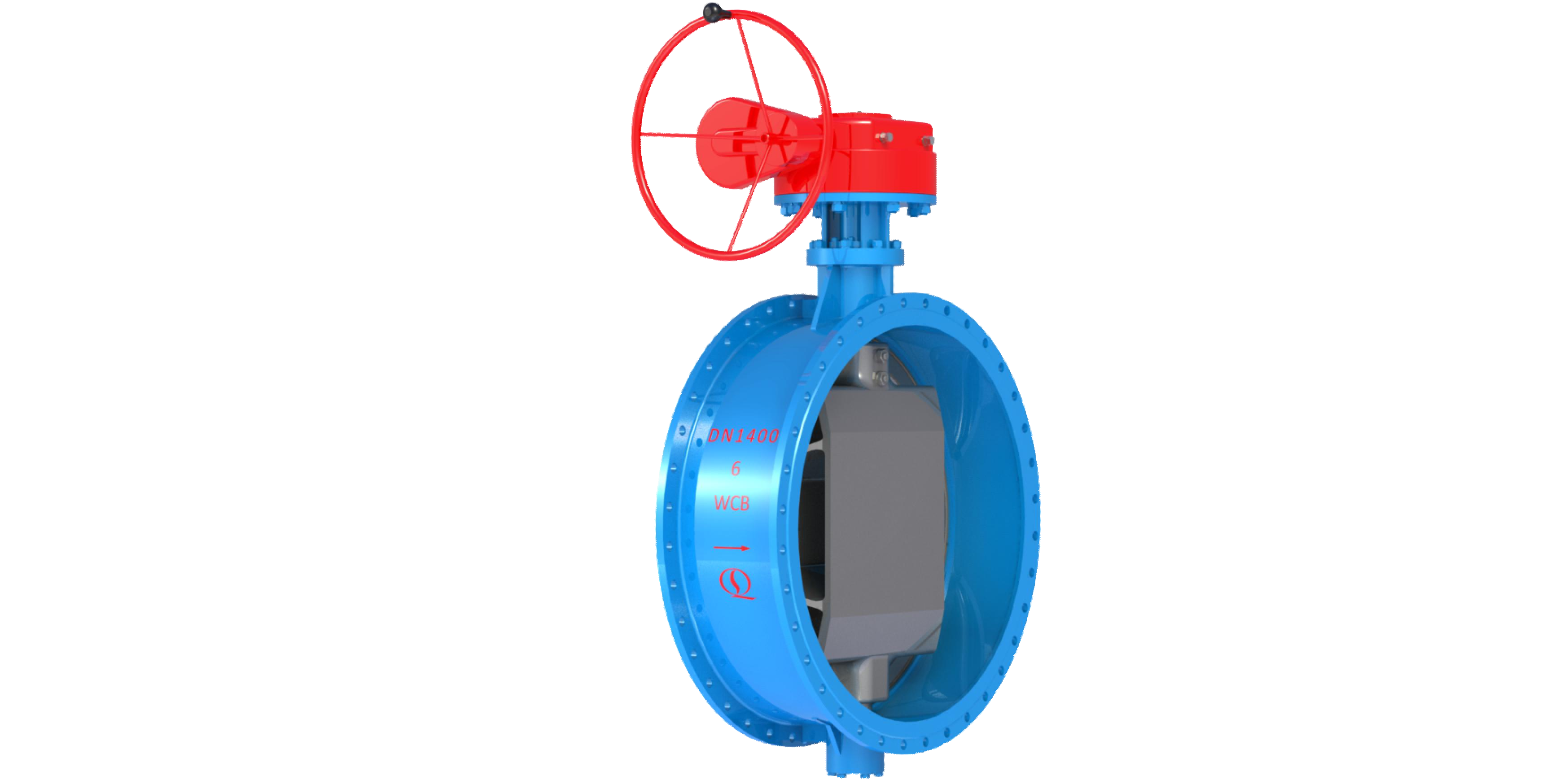
Bidirectional Metal Hard Sealed Seawater Butterfly Valve
Henan Quanshun Flow Control Science & Technology Co., Ltd.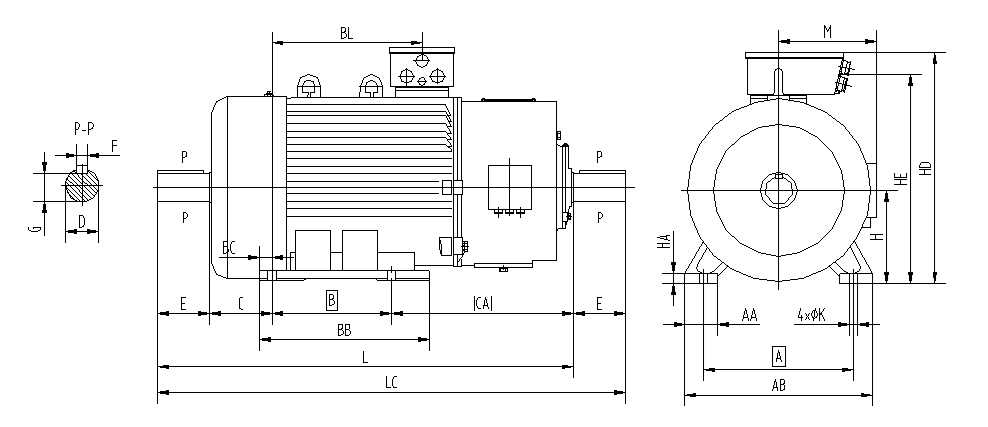
YZR (450-560) Series Wound Rotor Three-Phase Asynchronous Motors for Crane and Metallurgical Applications
Jiamusi Electric Machine Co., Ltd.
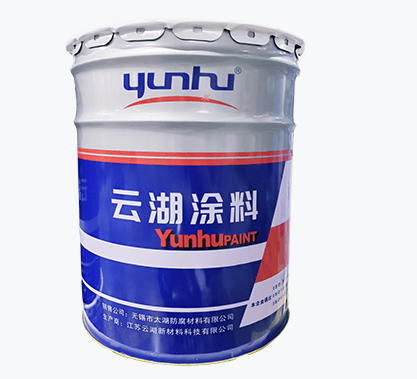
YHTank8400N Solvent-Free Liquid Epoxy Coating
JIANGSU YUNHU NEW MATERIAL TECHNOLOGY CO., LTD.