China's Steel Industry Faces $18 Billion Funding Gap for Green Transition
en.Wedoany.com Reported - China's steel industry faces an urgent task of transformation and upgrading under the dual carbon goals, generating substantial funding needs. Research by the Climate Bonds Initiative (CBI) shows that the industry requires at least $18 billion (approximately RMB 132.107 billion) in capital expenditure over the next five years. About 14% of this investment will support the transition from blast furnace-basic oxygen furnace (BF-BOF) to scrap-based electric arc furnace (EAF) production, while 41% will be used to develop hydrogen-based direct reduced iron (H2-DRI) electric arc furnace production. This is expected to increase China's annual H2-DRI EAF capacity by approximately 3 million tons, reaching a total capacity of 15 million tons by 2030.
The steel industry currently faces multiple challenges, including relatively sluggish industrial development, long payback periods for transition investments, and difficulty in effectively sharing the premium of low-carbon production costs. These factors dampen the industry's motivation to implement low-carbon transition activities and investments. Financial institutions struggle to expand their business due to a lack of high-quality, credible transition investment targets. Additionally, the absence of a clear transition finance identification framework and the low expected financial returns of transition projects further weaken the enthusiasm of financial institutions.
Mechanisms such as establishing a sound identification framework and implementing financial incentives can, to some extent, address the challenge of high emission reduction costs that cannot be effectively shared across the value chain. This can drive enterprises to make capital expenditure decisions related to low-carbon transition, enhance the willingness of steel companies to transition, and boost the investment confidence of financial institutions.
Establishing clear transition finance standards is the first step. The European Union, Japan, and others have already defined transition standards for their local steel industries. The People's Bank of China (PBOC) has also taken the lead in formulating national-level transition finance standards for the steel industry. Cities and provinces such as Huzhou in Zhejiang Province, Shanghai, Hebei Province, and Jiangsu Province have issued local transition finance catalogues for the steel industry, specifying eligible transition areas, technologies, and carbon emission or energy consumption thresholds. Compared to international standards, China's current transition finance catalogue has a relatively broad scope of support, covering core technological breakthroughs such as EAF and DRI, as well as pathways like energy efficiency improvement, clean energy substitution, and environmental retrofitting. However, it lacks differentiated support for deep decarbonization pathways and technologies.
Standardizing corporate transition plans is key to enhancing the predictability and verifiability of actions. The CBI defines a transition plan as a time-bound, trackable strategy and roadmap. The PBOC, in its instructions for using transition finance standards, requires financing entities to formulate scientific transition plans. Hebei, Jiangsu, and other regions have issued regional-level transition plan guidelines. Both domestic and international frameworks require companies to clarify their transition strategies, targets, and pathways, develop capital expenditure and financing plans, and make detailed arrangements for internal organizational management and external information disclosure.
Promoting transition information disclosure can enhance market transparency and comparability. Transition information disclosure involves reporting climate-related risks, opportunities, strategic targets, and specific measures in documents such as annual reports and sustainability reports. Unlike transition plans, disclosure is based on existing data reporting and does not require a time-bound roadmap. The International Capital Market Association (ICMA) recommends integrating transition information into transition plans. China has not yet issued national-level transition information disclosure standards, but the Ministry of Finance's requirements for sustainable information disclosure are gradually strengthening and aligning with international standards.
Fiscal subsidies, tax incentives, and carbon reduction support tools constitute the second step of incentive measures. The low-carbon transition costs for most steel enterprises will increase their financial pressure. Coupled with unclear short-term benefits and high technological risks, market-based funds often shy away from such investments. Fiscal subsidies can provide support such as loan interest subsidies, cost subsidies, and performance rewards. China currently has no fiscal subsidy practice directly targeting the steel industry's transition. However, in 2024, the National Development and Reform Commission (NDRC) issued the "Measures for the Management of Special Central Budget Investment in Energy Conservation and Carbon Reduction," which supports energy conservation and carbon reduction in key industries. Eligible projects in the steel industry can apply for subsidies, with funding not exceeding 15% of the total project investment and a single project support cap of RMB 100 million. Eligible projects include the large-scale upgrade of sintering and pelletizing equipment, renovation of blast furnaces with a capacity of 1,000 cubic meters or less, waste energy utilization upgrades, waste energy self-generation equipment updates, large-scale carbon capture, utilization, and storage (CCUS) projects, hydrogen-based direct reduction and hydrogen-rich smelting reduction technology application projects, integrated scrap steel recycling, dismantling, processing, sorting, and distribution projects, other high-value and large-scale utilization projects for scrap steel, and other project constructions conducive to reducing carbon emissions.
Internationally, there are already practices of dedicated fiscal subsidies. The German federal government and the state government of Lower Saxony have each contributed €700 million and €300 million to support Salzgitter AG's SALCOS low-carbon steel transition plan. This plan is implemented in three phases to achieve low-carbon transformation of steel production. The first phase will build two DRI units and three EAFs to replace three traditional blast furnaces. Supported by Japan's "Green Transformation Promotion Act," Nippon Steel announced a process transition plan with a total investment of 8,687,630.2 billion yen (approximately $6.48 billion), deciding to transition from the traditional BF-BOF process to EAF. The government's financial support ceiling is 251.4 billion yen (approximately $1.745 billion). In 2025, Japan's Ministry of Economy, Trade and Industry (METI) also introduced subsidy policies for automakers on the demand side of low-carbon steel, providing subsidies of up to 50,000 yen (approximately $347) per vehicle for models using low-carbon steel in their bodies.
Tax incentives indirectly improve project returns through reductions in corporate income tax, value-added tax, etc. China has not yet introduced a dedicated tax incentive system, but in recent years, it has implemented several general green tax and fee preferential policies. According to the "Guidelines for Tax and Fee Preferential Policies Supporting Green Development," steel industry projects promoting energy conservation and water conservation can enjoy tax benefits such as VAT refunds and accelerated depreciation of corporate income tax. Hebei Province provides fiscal subsidies and tax incentives to enterprises with outstanding environmental performance. Japan stipulates that enterprises producing green steel can enjoy a tax reduction of 20,000 yen (approximately $139) per ton of steel produced and sold, with a maximum reduction not exceeding 40% of the corporate income tax amount. In 2024, the South Korean government provided tax incentives for POSCO's H2-DRI project, adjusting the investment tax credit from the original 3%-4% to 10% and extending the validity of temporary investment tax credits.
Monetary policy tools can adjust financing costs and guide resource allocation. In November 2021, the PBOC created a carbon reduction support tool. This "structural" monetary policy tool adopts a "lend first, borrow later" mechanism. After financial institutions issue carbon reduction loans to three key areas—clean energy, energy conservation and environmental protection, and carbon reduction technologies—they can apply for funding support from the PBOC. The PBOC provides funding support at 60% of the loan principal, with an interest rate of 1.75%, a term of one year, renewable twice. Financial institutions need to provide eligible collateral to the PBOC. The three key areas covered by this tool include multiple economic activities that the steel industry can utilize. The clean energy area includes wind power generation, solar power generation, biomass energy utilization, hydrogen energy utilization, heat pumps, and the construction and operation of efficient energy storage facilities. The energy conservation and environmental protection area includes energy-saving renovation and efficiency improvement of boilers (kilns), motor system energy efficiency improvement, waste heat and pressure utilization, energy system optimization, green lighting renovation, steam turbine generator system energy efficiency improvement, and new power system renovation. The carbon reduction technology area includes the construction and operation of CO2 capture, utilization, and storage projects. In June 2022, the Baotou branch of Industrial Bank issued a RMB 70 million preliminary loan to Inner Mongolia Baoye Environmental New Materials Co., Ltd., a joint venture of Baotou Steel, for its CCUS demonstration project. This loan was approved for funding under the PBOC's carbon reduction support tool. However, the short term of this tool mismatches the payback period of steel industry transition projects. Moreover, as a general support mechanism, it has not formed a dedicated support scheme for the steel industry.
Related Products
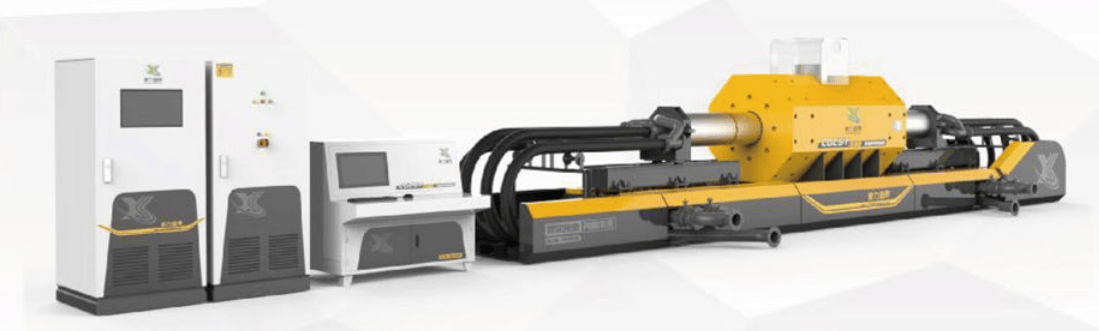

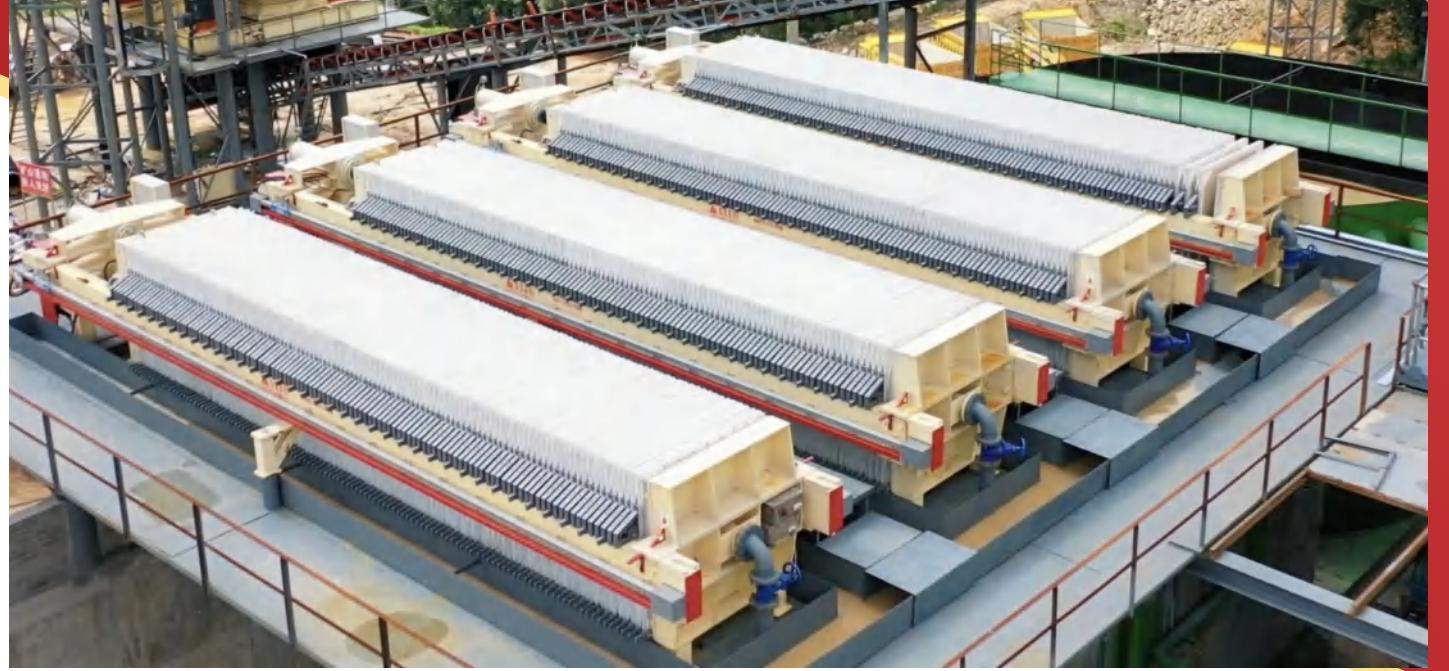
Hydraulic Plate and Frame Filter Press
Guangdong Leimeng Intelligent Equipment Group Co., Ltd.
Industrial and Commercial Point-Type Gas Detector
Jinan Benan Technology Development Co., Ltd.
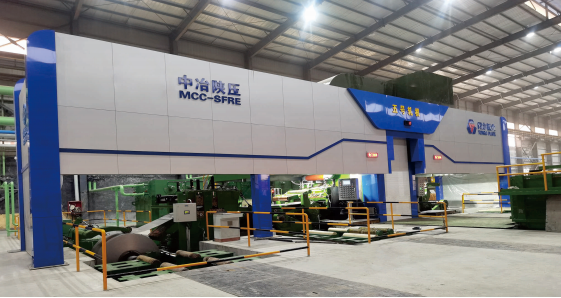
1050-1750mm Steel Strip Single-stand Reversible Cold Rolling Production Line
MCC-SFRE HEAVY INDUSTRY EQUIPMENT CO., LTD.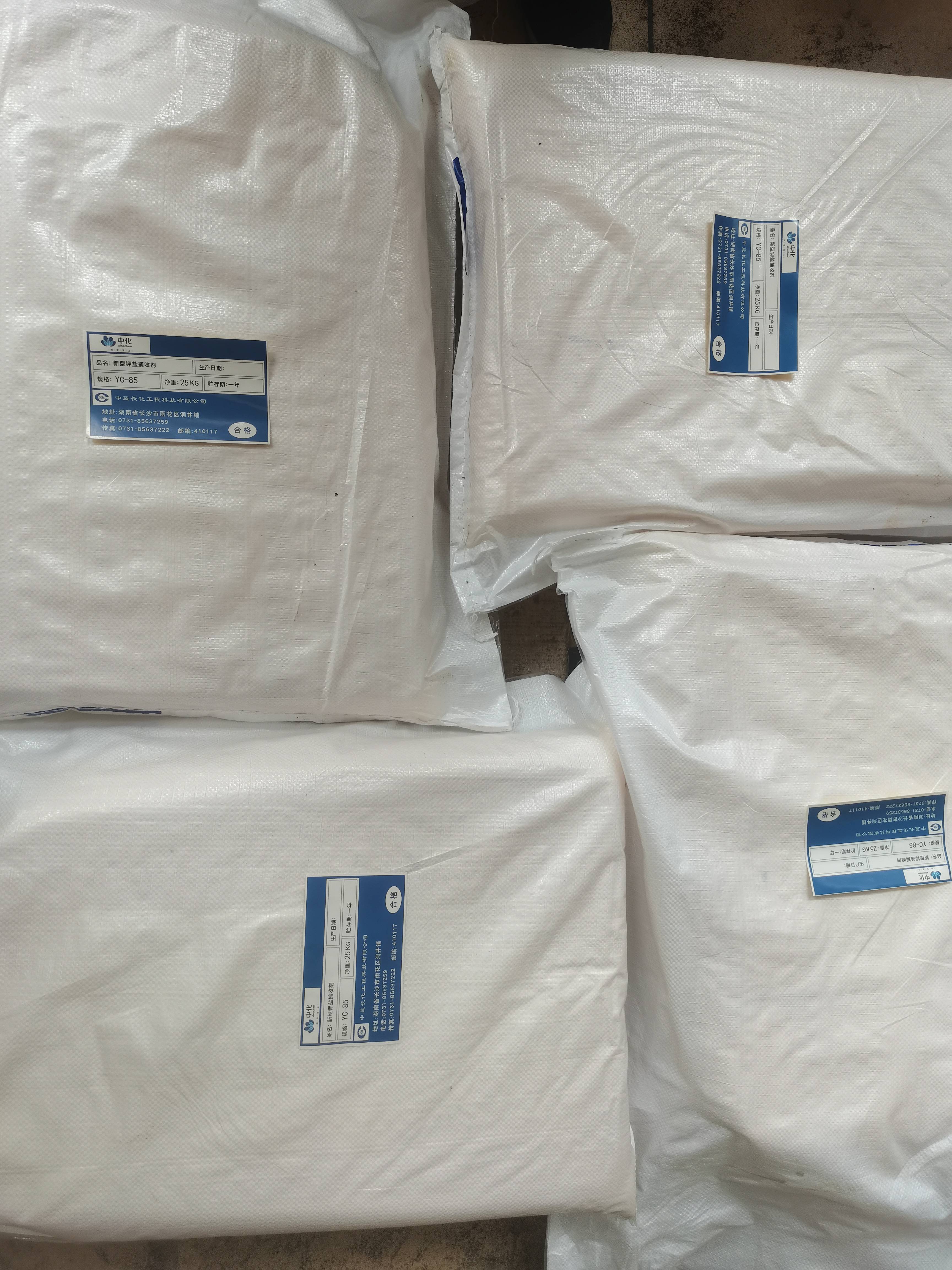
New Environmentally Friendly Green Potassium Salt Collector
Chonfar Engineering and Technology Co., Ltd.