US Alsym Energy and Australia's ERITY Reach 9GWh Sodium-Ion Battery Agreement
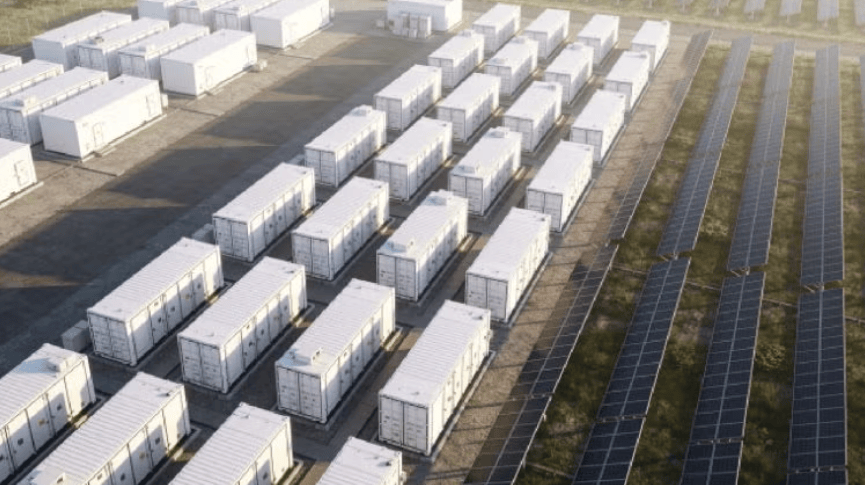
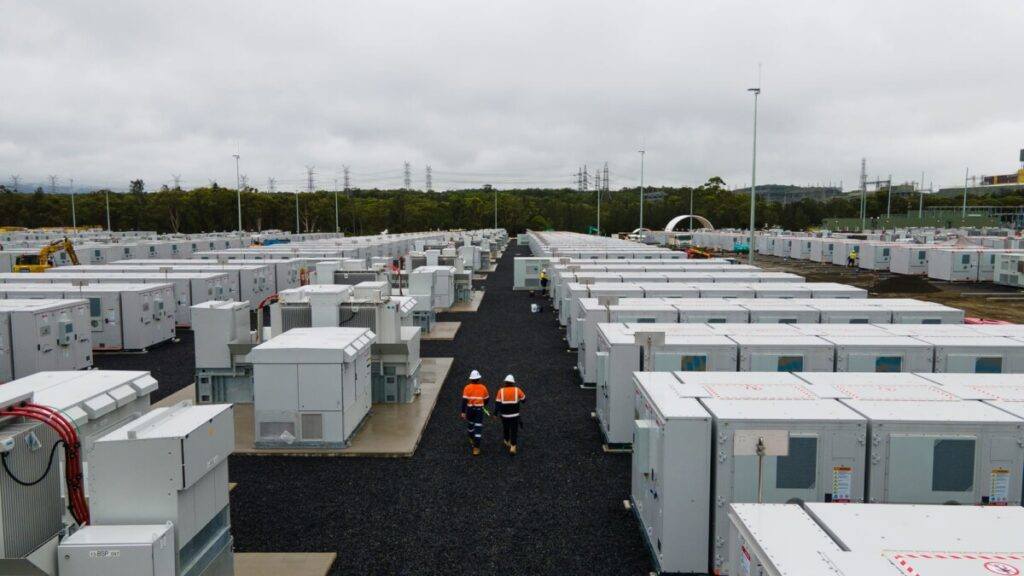
en.Wedoany.com Reported - Sodium-ion battery developer Alsym Energy has signed a 9 GWh strategic agreement with Australian mining consultancy ERITY to explore various application scenarios for non-lithium-ion and advanced battery energy storage systems in mining operations.
Mining engineering consultancy ERITY has long been committed to using alternative and long-duration battery energy storage technologies to reduce the industry's diesel-fueled carbon emissions. Diesel-powered on-site heavy equipment accounts for the vast majority of direct Scope 1 greenhouse gas emissions from mining operations.
US-based Alsym Energy employs a sodium-ion chemistry system (symbol NA+), making its batteries non-flammable and longer-lasting compared to mainstream lithium-ion batteries. The company recently also announced an 8.5 GWh partnership with BESS manufacturer ESS Tech.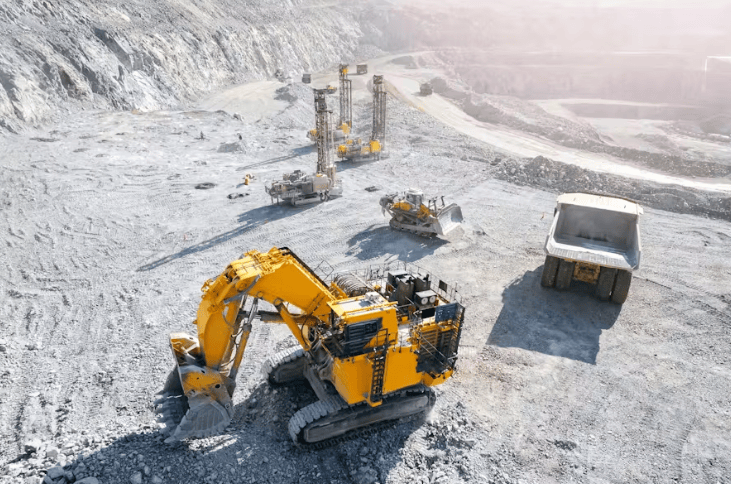
This updated and broader agreement with ERITY will combine Alsym's batteries with the partner's mining operational expertise to decarbonize multiple use cases in the mineral sector. According to reports, diesel currently accounts for up to half of a given mine's operating costs and contributes up to 3% of global greenhouse gas emissions.
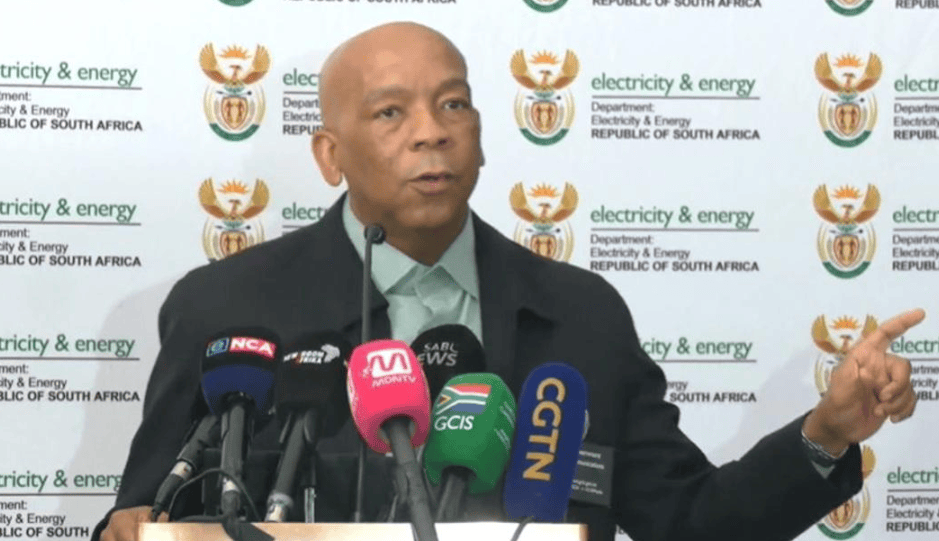
ERITY Chief Operating Officer Manny Claassens stated in a press release that this collaboration enables both parties to address the urgent energy challenges facing the mining industry, which has enormous energy demands and typically operates in remote areas with limited traditional power infrastructure. By integrating Alsym Energy's thermally stable, high-performance energy storage solutions into mining operations, there is an opportunity to help reduce operating costs, enhance energy resilience, and support improved safety and sustainability outcomes.
ERITY's mining operations span six continents, including major projects in Australia, Africa, and the Middle East. Volt Resources and Resource Mineral International are two mining operators collaborating with it, developing mines in Tanzania, Saudi Arabia, Finland, and the United States. Alsym Energy will deploy its sodium-ion batteries in at least some of the Volt and Resource Mineral projects.
Asimwe Kabunga, Chairman of Volt Resources and Resource Minerals International, stated that the mining industry is actively seeking energy solutions that can improve reliability, enhance safety, and support long-term operational sustainability. Non-flammable sodium-ion battery technology presents a compelling opportunity, particularly for remote operations where energy resilience is critical.
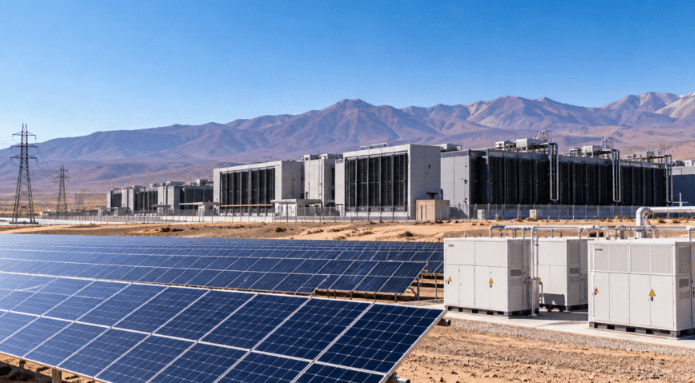
This 9 GWh battery capacity agreement aims to help power mining microgrids and provide carbon-free electricity for critical mineral extraction, processing, and mobile data centers. Some mining and transport equipment typically powered by diesel is being converted to battery-electric vehicle alternatives.
Alsym CEO Mukesh Chatter stated that ERITY's extensive coverage in global mineral extraction, from data centers to key regions such as Australia, Africa, and the Middle East, provides a platform for deploying non-flammable sodium-ion technology in energy-intensive industries and high-temperature areas.
Lithium-ion accounts for nearly 90% of the battery chemistry market, offering higher energy density in transportation and stationary energy storage applications. However, the technology cannot maintain charge for extended periods and poses fire risks such as thermal runaway. Alsym's sodium-ion combination uses a polyanionic sodium iron pyrophosphate chemistry that is less dense but more stable, longer-lasting, and non-flammable. The company says this design aims to avoid toxic gas release found in layered oxides and can rely on passive air cooling instead of more expensive liquid cooling.
Metal industries, including steel and aluminum, account for a significant portion of global mining emissions. Overall, the mining and metals sector generates approximately 10% of global greenhouse gases. Texas A&M University and Alsym previously highlighted a breakthrough in non-lithium technology, using a polymer-based battery prototype that demonstrated the ability to retain 85% charge at 0 degrees Celsius and 55% charge at minus 40 degrees Celsius. Other lithium-ion alternatives include iron-air and zinc-based battery chemistries.
Related Products

GW4-40.5/72.5/126/145/170/252/363/420 Series Double-column Horizontal Rotary High-voltage AC Disconnect Switch
SHANDONG TAIKAI DISCONNECTORS CO., LTD.
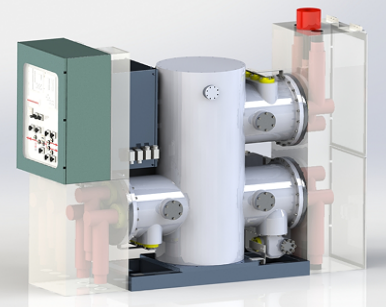
NISELA Series Environmentally Friendly Gas-Insulated Ring Main Unit
XJ DELISHIER ELECTRIC CO., LTD.
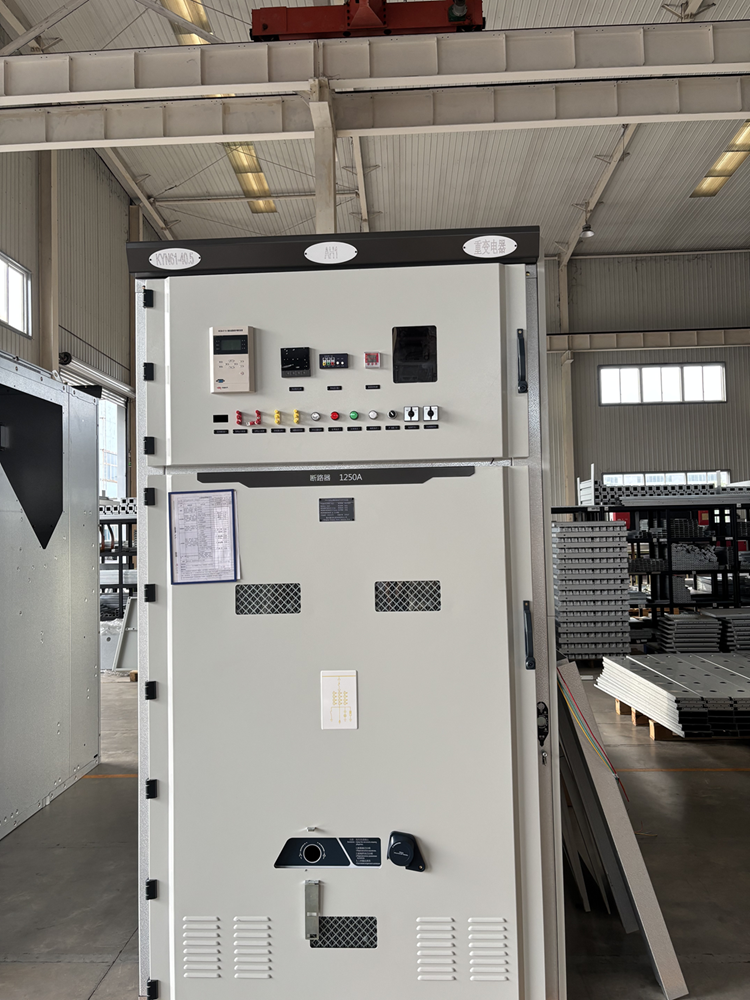
KYN61-40.5 Indoor AC Metal-clad Removable Switchgear
Chongqing Transformer Co., Ltd.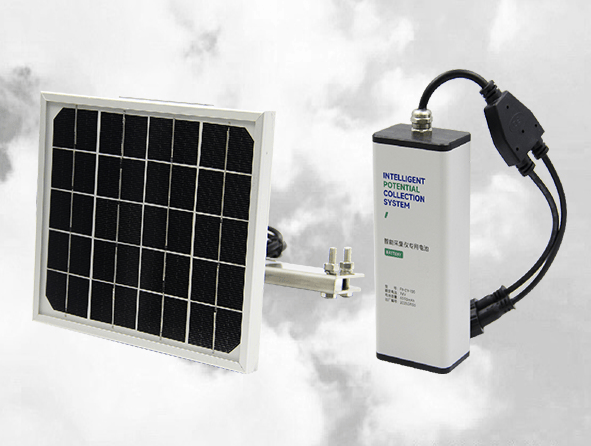
Inductive Power Harvesting Self-Powered Device - Safuneng
SELF ENERGY TECHNOLOGY (SHENZHEN) CO., LTD.
Modular Multifunctional Water Supply and Drainage Vehicle (18T)
Changsha Dewater Machinery Technology Co., Ltd.
Prefabricated Houses and Electrical Energy Boxes
Chengdu Ruilong Machinery Manufacturing Co., Ltd.