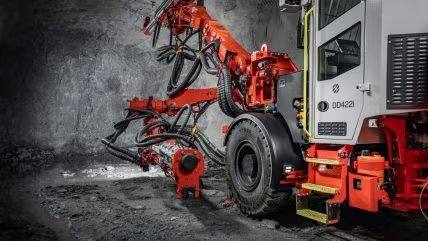
Australia's BHP overtakes Chile's Codelco as world's top copper producer
en.Wedoany.com Reported - The title of the world's largest copper mine producer changed hands in 2025. Chile's state-owned Codelco ceded the top spot in global mine copper output, which it had held for years, to BHP, marking a new shift in the industry's competitive landscape.
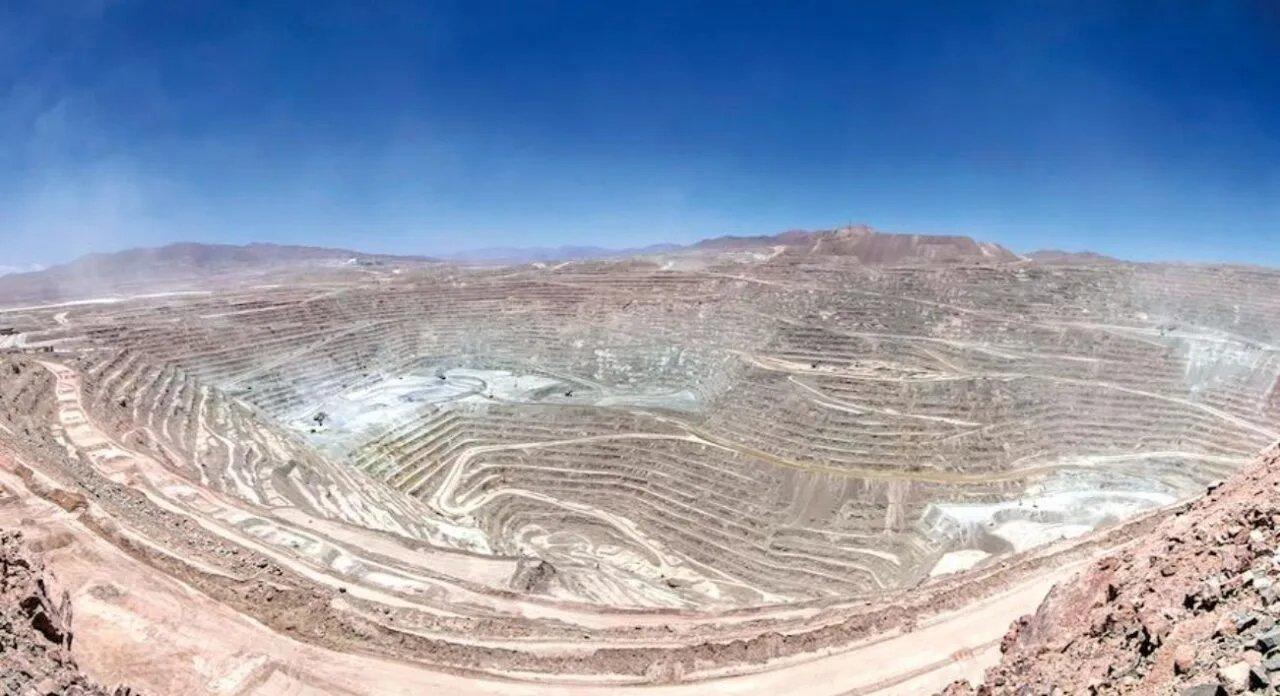
According to Codelco's self-comparison report cited by BioBioChile, the Chilean state-owned miner's total attributable copper production in 2025 (including equity from joint ventures) was 1.412 million metric tons, with self-operated division output at 1.307 million metric tons. During the same period, BHP rose to become the world's top mine copper producer. This ranking change occurs against a backdrop where copper has regained its strategic core position in global mining, driven by demand from international electrification, grid construction, artificial intelligence, data centers, and the energy transition. Leading in output is not just about annual statistics; it reflects a company's ability to maintain production, control costs, and secure growth capital.
BHP's copper business footprint continues to expand. An operational review shows that for the fiscal year ending June 30, 2025, benefiting from strong performances at Escondida and Spence in Chile, as well as Copper South Australia, the group's copper production exceeded 2 million metric tons, setting a new record. Reuters further reported that BHP's annual copper production for fiscal 2025 reached 2.02 million metric tons. However, looking ahead to fiscal 2026, the company expects production to decline to a range of 1.8 million to 2 million metric tons, impacted by an anticipated drop in ore grades at Escondida.
Although Codelco has lost the top spot, it remains among the world's largest copper producers. Its core assets include mines such as El Teniente, Chuquicamata, Radomiro Tomic, Ministro Hales, Andina, Salvador, and Gabriela Mistral, along with several participating projects. Its 2025 results show own refined copper production of 1,334,445 metric tons. Including equity from El Abra, Anglo American Sur, and Quebrada Blanca, total production reached 1,439,732 metric tons. During the reporting period, EBITDA was $6.670 billion, consolidated net profit was $2.423 billion, and contributions to the Chilean treasury totaled $1.778 billion. In terms of divisional output, overall 2025 production increased slightly by 0.5% (about 6,000 tons) compared to 2024, but some mines showed significant fluctuations: El Teniente fell by 13%, Chuquicamata dropped by 8%, Gabriela Mistral declined by 20.3%, while Ministro Hales, Radomiro Tomic, and Salvador achieved growth.
Codelco's most pressing challenge comes from the cost side. According to BioBioChile's report, its direct cost C1 is 211.7 US cents per pound, 57% higher than the global average for large miners (approximately 134.7 US cents per pound). Compared to large private mines in Chile (average C1 of 123 US cents per pound), the gap widens to 72%. In its annual results, Codelco reported its 2025 C1 cost at 208.6 US cents per pound, up 4.8% year-on-year. The company explained that the cost increase was mainly due to production support service expenses, equipment lease resumption for mine development, inflation, and increased activity at Rajo Inca and Radomiro Tomic, partially offset by lower electricity and diesel prices. High costs weaken financial flexibility, especially during a period when mining companies require substantial investment to maintain production, access higher-grade ore, modernize equipment, and meet environmental and safety standards.
The gap is also evident in profitability. Codelco's EBITDA margin is 34%, not only below the 48% average for major global copper producers but also far behind the 63% level of large private mines in Chile. Debt levels have drawn more attention. As of the end of 2025, Codelco's net debt-to-EBITDA ratio reached 3.8 times, compared to an international peer average of just 0.7 times and as low as 0.5 times for large private mines in Chile. This metric is particularly critical for Codelco, which is executing large-scale, capital-intensive projects requiring funding for underground mine expansions at key operations, operational continuity, safety upgrades, infrastructure construction, and processing stages, while competing directly with private companies that have healthier balance sheets and higher margins.
BHP's rise to the top is closely tied to its Chilean operations. Its core copper asset, Escondida, located in the Antofagasta Region, is the world's largest copper mine, along with Spence in northern Chile. In April 2026, BHP stated that performances at Escondida and Antamina supported expectations for fiscal 2026 production to be in the upper half of the guidance range. The company also disclosed that it has submitted a permit application to build a new concentrator at Escondida to advance its copper business growth plans.
For Chile, the change in the global copper company rankings has not shaken the country's mining center status, but it reflects a redistribution of output between the state-owned enterprise and large private miners operating locally. Future market focus will center on three key metrics: annual attributable production, C1 cost trends, and the net debt-to-EBITDA ratio. For Codelco to reclaim the industry's top position, it needs to narrow operational gaps while advancing structural projects. Otherwise, BHP's leading position may signal a new phase where private miners assume a greater role in the global copper landscape.
Related Products
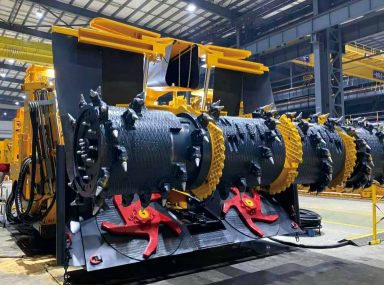

Integrated Excavation and Anchoring Machine (EJM Series)
China Railway Construction Heavy Industry Corporation Limited
Mine Explosion-proof and Intrinsically Safe Industrial Ethernet Ring Network (10 Gigabit/Gigabit)
Chongqing Mas Sci&Tech Co., Ltd.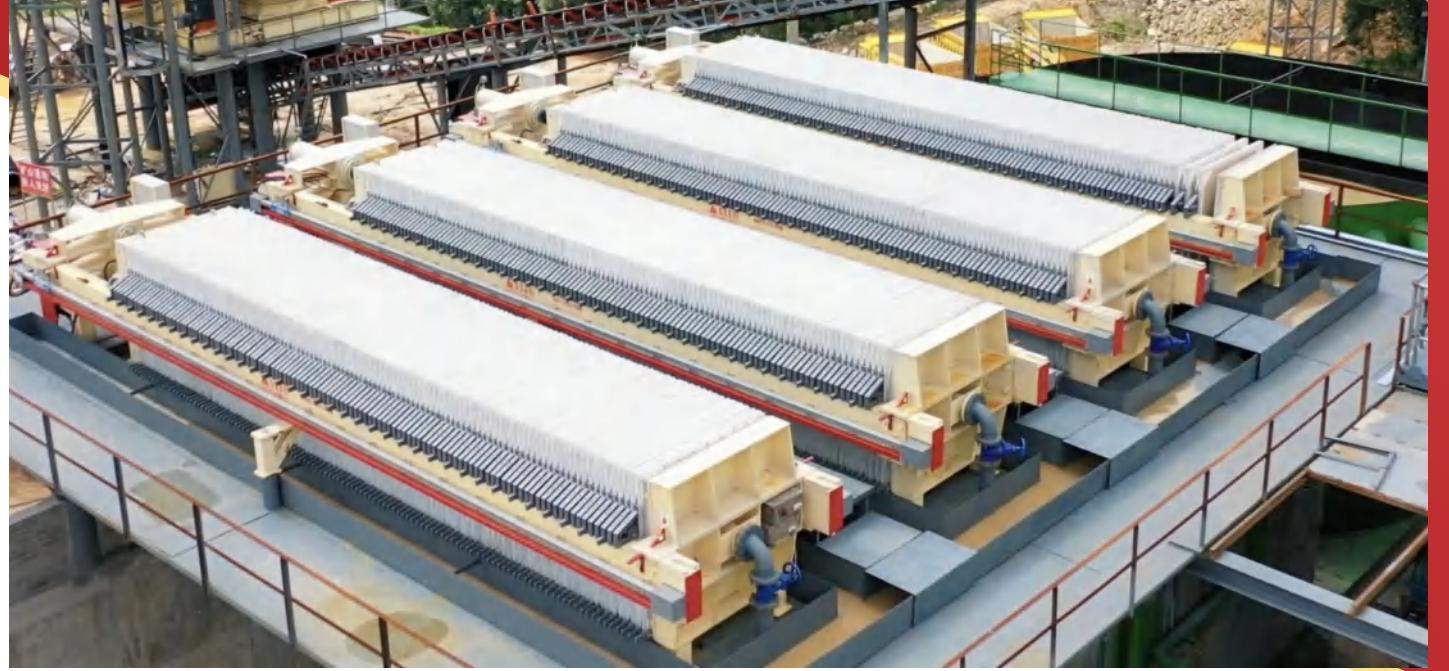
Hydraulic Plate and Frame Filter Press
Guangdong Leimeng Intelligent Equipment Group Co., Ltd.
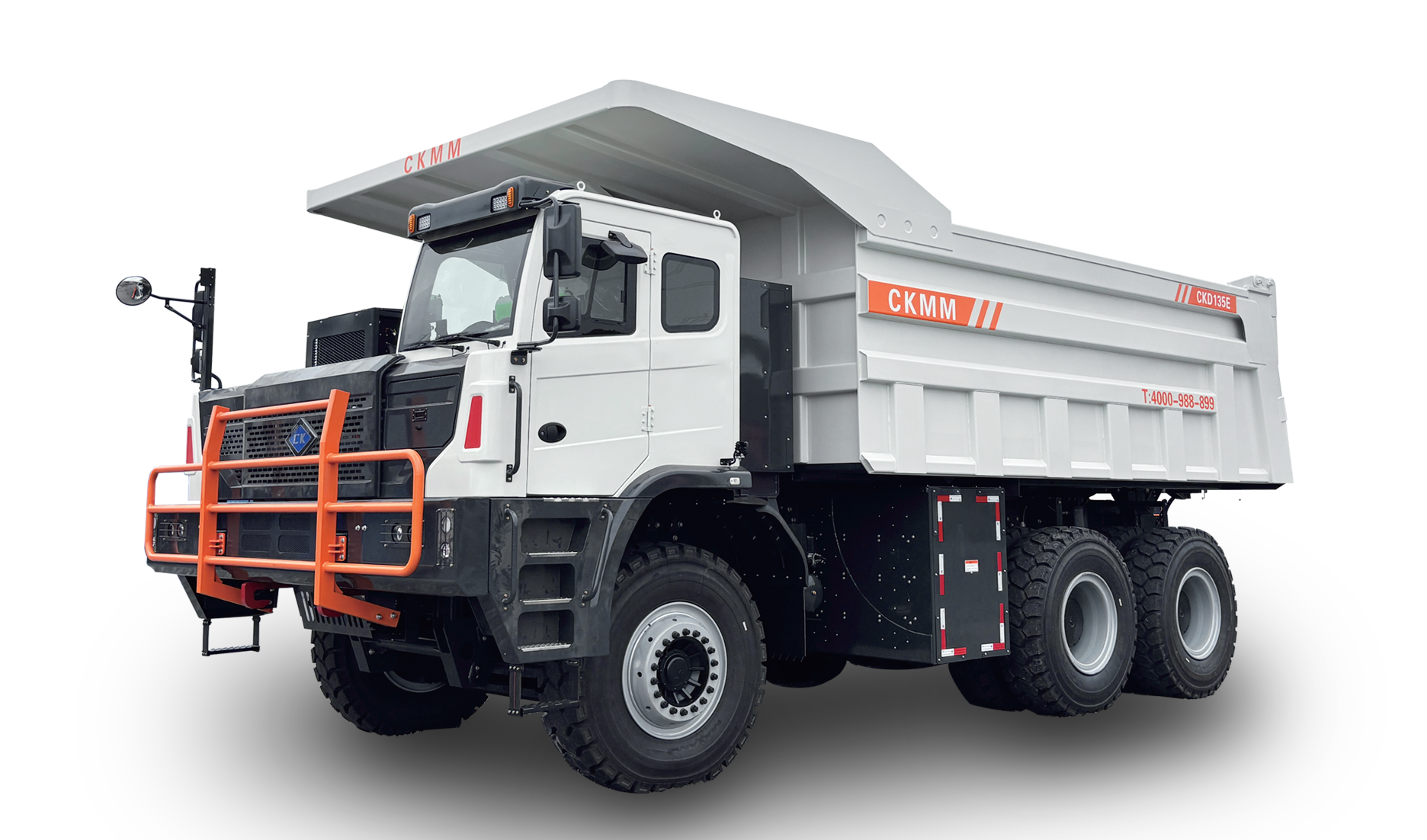
CKD135E Pure Electric Wide-body Dump Truck
Jiangsu Changkuang Engineering Machinery Co. Ltd.