Framatome Invests €190 Million to Build Nuclear 3D Printing Center, Dual Processes Cover Full-Size Parts
en.Wedoany.com Reported - On July 2, Framatome officially inaugurated its new additive manufacturing center.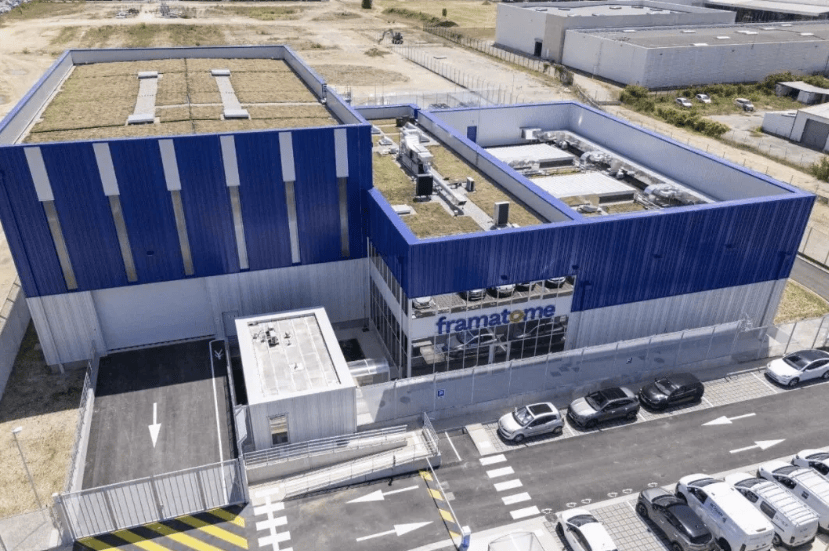
The company claims this is Europe's first industrial-grade additive manufacturing facility specifically dedicated to the nuclear and defense sectors. The center began operations in May 2026, taking only one year from groundbreaking to full production.
Spanning 6,000 square meters, the facility represents an investment of €25 million (approximately ¥190 million). It employs two metal additive manufacturing processes: Laser Powder Bed Fusion (LPBF) and Wire Arc Additive Manufacturing (WAAM).
From the center's video introduction, the author observed multiple machines from Nikon SLM Solutions and EOS.
By combining these two metal 3D printing processes, Framatome can produce components ranging in weight from a few kilograms to several tons, and in size from a few millimeters to five meters, covering all geometric shapes required for spare parts in the primary circuit of French nuclear reactors.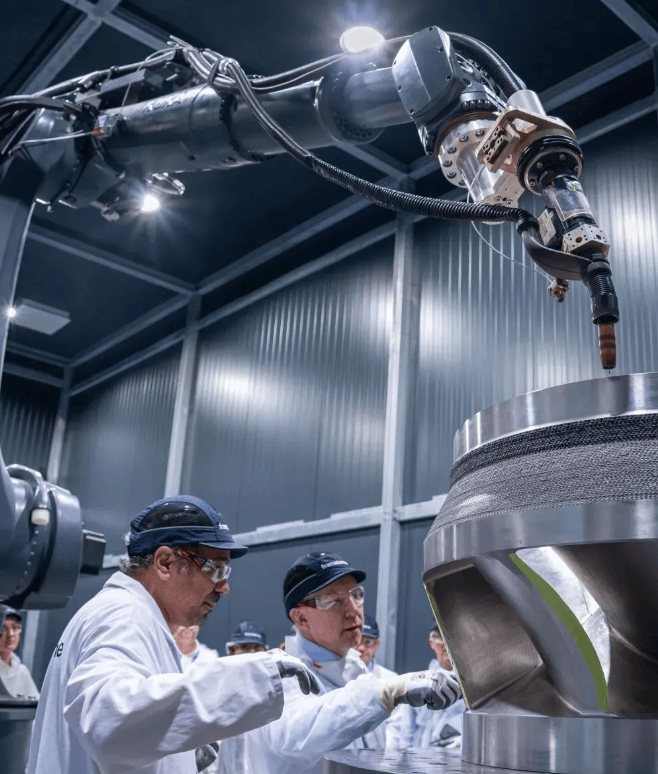
Framatome began applying additive manufacturing technology to the nuclear fuel sector in 2015, initially focusing on producing stainless steel and nickel-based superalloy fuel assemblies.
By 2021, the company had developed a 3D-printed stainless steel fuel assembly component—a channel fastener. Shortly thereafter, a fuel system component co-developed by Framatome and Oak Ridge National Laboratory (ORNL) was installed in a commercial boiling water reactor (BWR) nuclear power plant in the United States.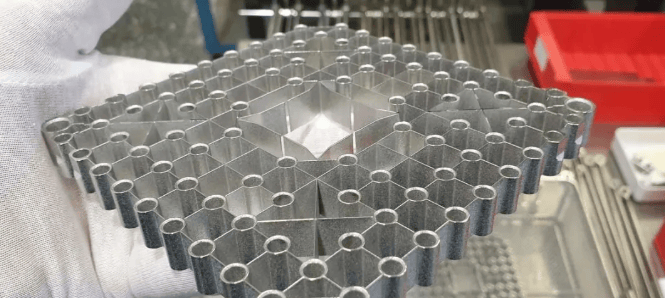
Wire arc additive manufacturing technology provider MX3D collaborated with Framatome to produce a full-scale stainless steel giant impeller weighing over 1.4 tons using robotic WAAM technology. Framatome used this case to test the WAAM process's performance in terms of dimensional accuracy, mechanical integrity, and repeatability.
Traditional manufacturing for such an impeller would require significant time, substantial material waste, and high mold costs. Framatome evaluated whether WAAM could offer a faster, more flexible alternative while meeting the stringent standards of the nuclear industry. The adoption of this technology by the new additive manufacturing center indicates the success of these preliminary explorations.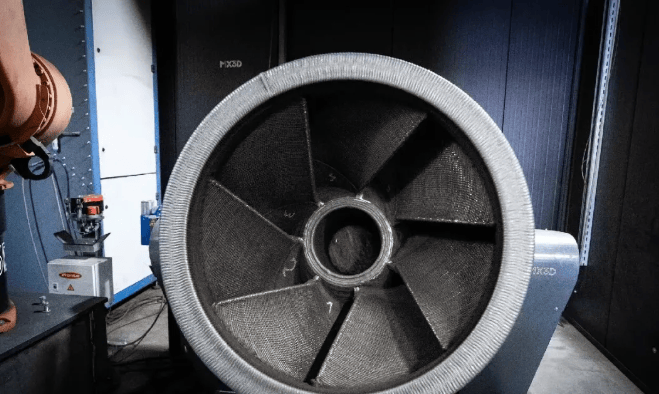
In the nuclear energy sector, product cost and delivery time are critical factors. However, during the design phase, traditional manufacturing processes cannot leverage optimal component optimization strategies. Additionally, strict quality and safety requirements necessitate mature process engineering and manufacturing techniques, along with a deep understanding of material metallurgical quality.
Leveraging its expertise in the nuclear industry, Framatome has integrated its 3D printing technology into the entire process from component design to production.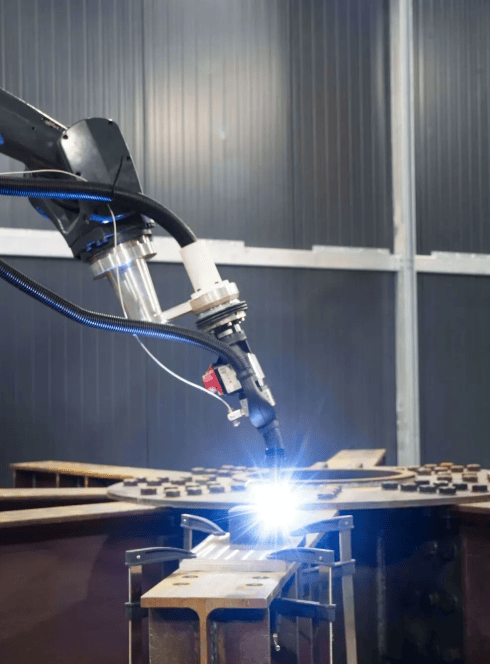
Beyond production, the center consolidates research and development activities, industrial process certification capabilities, and a training hub for Framatome's internal teams and partners, positioning it as a platform for broader industrial deployment of additive manufacturing technology in the nuclear and defense sectors.
Framatome positions this center as a supply chain security assurance and production base, capable of manufacturing critical components locally. This will reduce reliance on external suppliers while ensuring these components meet the most stringent safety requirements of the nuclear, defense, and aerospace sectors.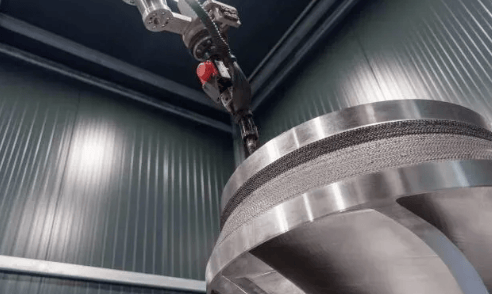
The company also stated that compared to traditional manufacturing methods, additive manufacturing can reduce raw material and energy consumption, which is one of its environmental advantages.
Framatome CEO Grégoire Ponchon stated, "This new additive manufacturing center is at the core of Framatome's strategic objectives. It will create a leading industrial tool to support nuclear projects in a sustainable manner, meeting the needs of French and international customers, partners, and the defense sector. Through additive manufacturing technology, we are enhancing Framatome's industrial capabilities, boosting competitiveness in strategic areas, securing critical supply chains, and accelerating innovation."
Related Products


QLZNGJ Intelligent Steel Reinforcement Trolley
Luoyang China Railway Qiangli Machinery Co., Ltd.
LBH4000 Batch Environmental Protection Asphalt Mixing Plant | Asphalt Batching Plant | Asphalt Mixing Plant
Jilin Province Road Construction Machinery Co., Ltd.

Industrial and Commercial Point-Type Gas Detector
Jinan Benan Technology Development Co., Ltd.
Standard Nozzle Flowmeter
Jinggong Automatic Control Instrument Complete Technology Development Company