Helion aims to supply Microsoft with fusion power by 2028
en.Wedoany.com Reported - Helion Energy is accelerating plans to supply fusion-generated electricity to a Microsoft data center in central Washington state by 2028. The urgency stems from the immense power demands of AI infrastructure, which have forced many operators to confront the capacity limits of local power grids.
According to the MIT Energy Initiative, U.S. data centers consumed over 4% of the nation's total electricity in 2023, a share that could rise to 9% by 2030. There is a significant mismatch between the demand from hyperscale users and the supply from utility companies.
This supply-demand imbalance explains why Helion Energy has secured $1.5 billion in funding and signed an unprecedented agreement to sell fusion energy to Microsoft. The company is racing to start its power plant before the 2028 deadline. At its research facility in Everett, Washington, Helion operates a 60-foot-long seventh-generation prototype named Polaris, which uses magnets to compress plasma and accelerate it to 1 million miles per hour for fusion. The team has also built a test platform called Tiny Merge, one-eighth the size of the prototype, to accelerate design iterations.
Financial analysts' forecasts provide context for the rapid funding of these experiments. Goldman Sachs Research estimates that data center electricity demand will surge 175% by 2030 compared to 2023. The report also notes that private capital invested in advanced nuclear technologies has grown 13-fold since 2023, with investors diversifying bets across nuclear fission, fusion, and hybrid technology pathways.
The reality for operators is increasingly complex. Deloitte predicts that AI-driven data center demand in the U.S. could soar from 4 gigawatts in 2024 to 123 gigawatts by 2035. However, the U.S. grid's transmission queue is already strained, with new connections sometimes taking five to seven years. FTI Consulting warns that global data center demand could reach 71 gigawatts by 2027, with U.S. demand nearly doubling to 17 gigawatts.
Zap Energy, located just minutes from Helion, has chosen a more cautious and diversified path. The startup, which has raised $330 million and received support from the U.S. Department of Energy, uses a Z-pinch method that confines plasma with magnetic fields generated by electric currents. Its core device, FuZE Q, produces lightning-like plasma beams about two feet long. When fusion occurs, neutrons transfer heat to a liquid metal blanket, which is then converted into electricity.
Zap Energy acknowledges the uncertainty in commercial fusion timelines. The company recently announced it will simultaneously advance nuclear fission plans, developing a 10-megawatt microreactor as a near-term revenue source and a hedge against fusion risks. Management emphasizes this is not a strategic shift but a method to integrate both technologies to accelerate progress, reduce risk, and build a more enduring company. The technical rationale is that both fission and fusion can benefit from similar liquid metal expertise—for example, sodium cooling behavior in fission reactors is analogous to the behavior of bismuth and lithium in Zap's fusion design.
Another notable competitor, Commonwealth Fusion Systems, has nearly $3 billion in funding and plans a nuclear plant in Virginia near the densest cluster of data centers in the U.S. Companies like TAE Technologies, Avalanche Energy, and General Fusion, along with over 50 private firms globally, form a vast entrepreneurial community. China is also investing heavily in domestic nuclear fusion development.
Policy and grid interconnection frameworks are still evolving. Any such technology must meet IEEE power quality and grid interconnection standards to connect to the grid. Many developers have integrated AI systems to assist with load planning and scheduling, making the National Institute of Standards and Technology (NIST) AI Risk Management Framework a focus. It is not uncommon for AI models to balance fusion pulse cycles, campus battery storage, and grid input.
The scientific community is divided on whether commercial fusion can be achieved soon. Some believe cost-competitive devices are still decades away. Others, including the head of the Princeton Plasma Physics Laboratory, argue the field is very close to meaningful breakthroughs but still faces enormous challenges. This tension keeps the industry highly active and has spawned multiple pathways, from Helion's sprint toward a 2028 commercial milestone to Zap's hybrid fission-fusion strategy.
For hyperscale data center users, the appeal of fusion is clear. AI workloads continue to grow, and many regions have begun restricting new data center construction due to concerns over power supply and water usage. Fusion offers the possibility of building compact, emission-free, high-capacity power plants near large campuses. Whether the technology will deliver on time remains uncertain, but the pressure on the grid has brought end users into the picture earlier than in previous energy cycles.
Some of these companies may fail to meet their promises, and some prototypes may require multiple revisions. However, the incentives have never been more aligned. Data center operators need stable power, investors are willing to fund multiple technology pathways, and fusion developers see a clear market with urgent demand. The coming years will determine whether this moment becomes a long-term energy transition or a brief episode in the broader quest for clean energy.
Related Products
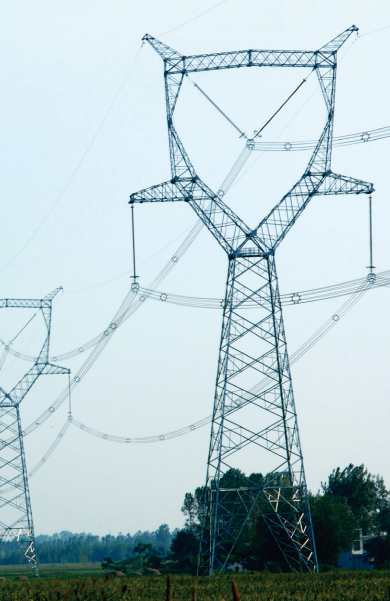

1000kV Jin Southeast-Nanyang-Jingmen UHV AC Transmission and Transformation Pilot Demonstration Project
Anhui Hongyuan Steel Tower Co., Ltd.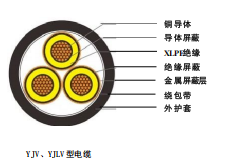
Rated Voltage 6-35kV Cross-linked Polyethylene Insulated Power Cable
TONGDING INTERCONNECTION INFORMATION CO., LTD.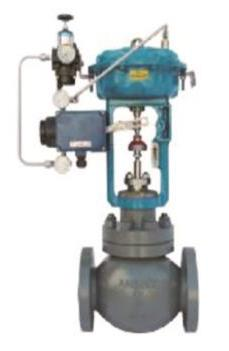
Quick-Change Single-Seat Control Valve / Quick-Change High-Pressure Single-Seat Control Valve
Beijing Consen Automation Technology Co., Ltd.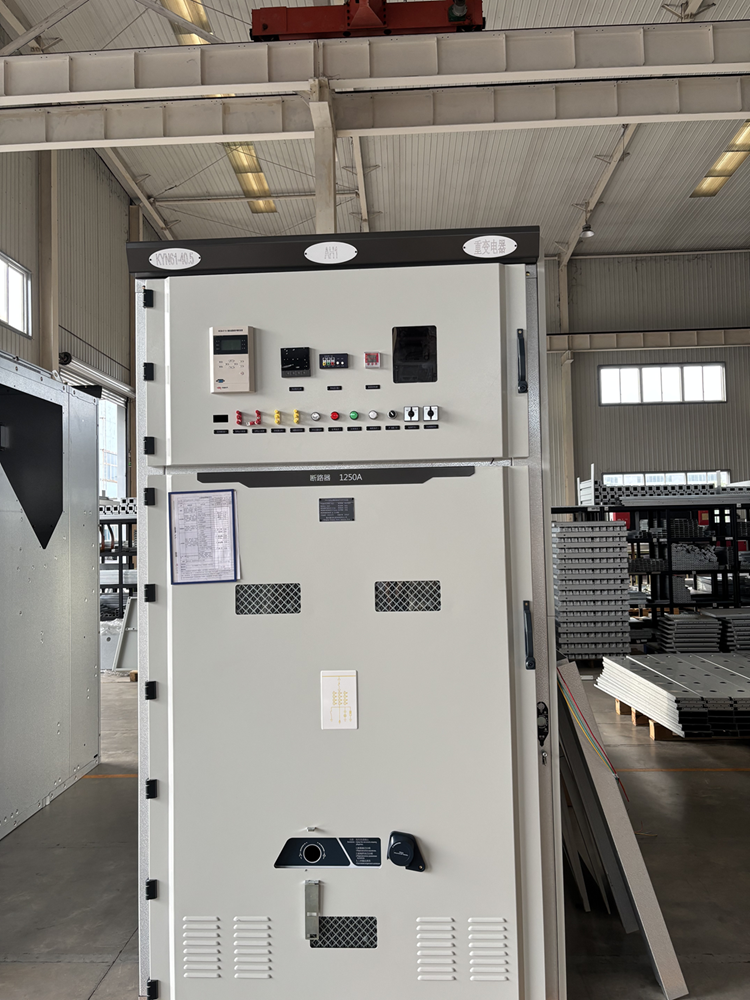
KYN61-40.5 Indoor AC Metal-clad Removable Switchgear
Chongqing Transformer Co., Ltd.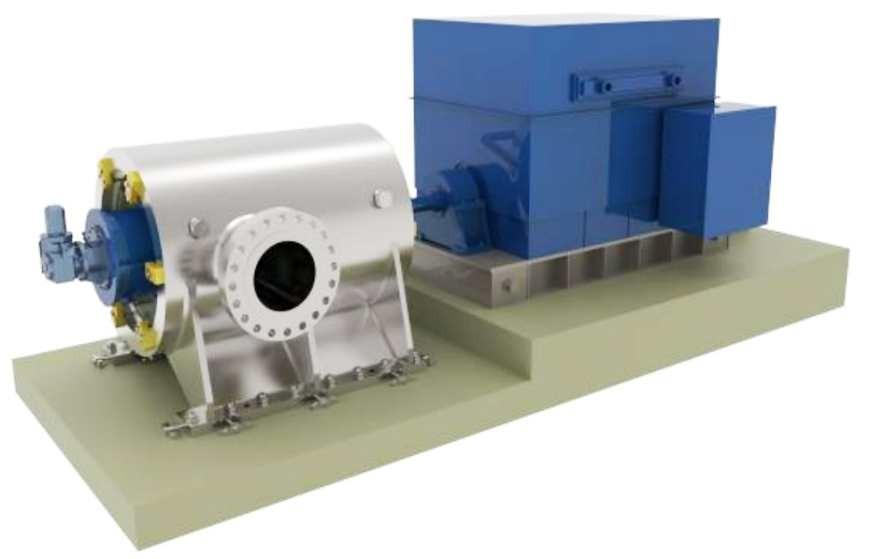

Pneumatic high-pressure wear-resistant ball valve
Zhejiang Deca Control Valve Meter Co., Ltd.
80kW Megawatt Supercharging Module TH80F10030C9
Shijiazhuang Tonhe Electronics Technologies Co., Ltd.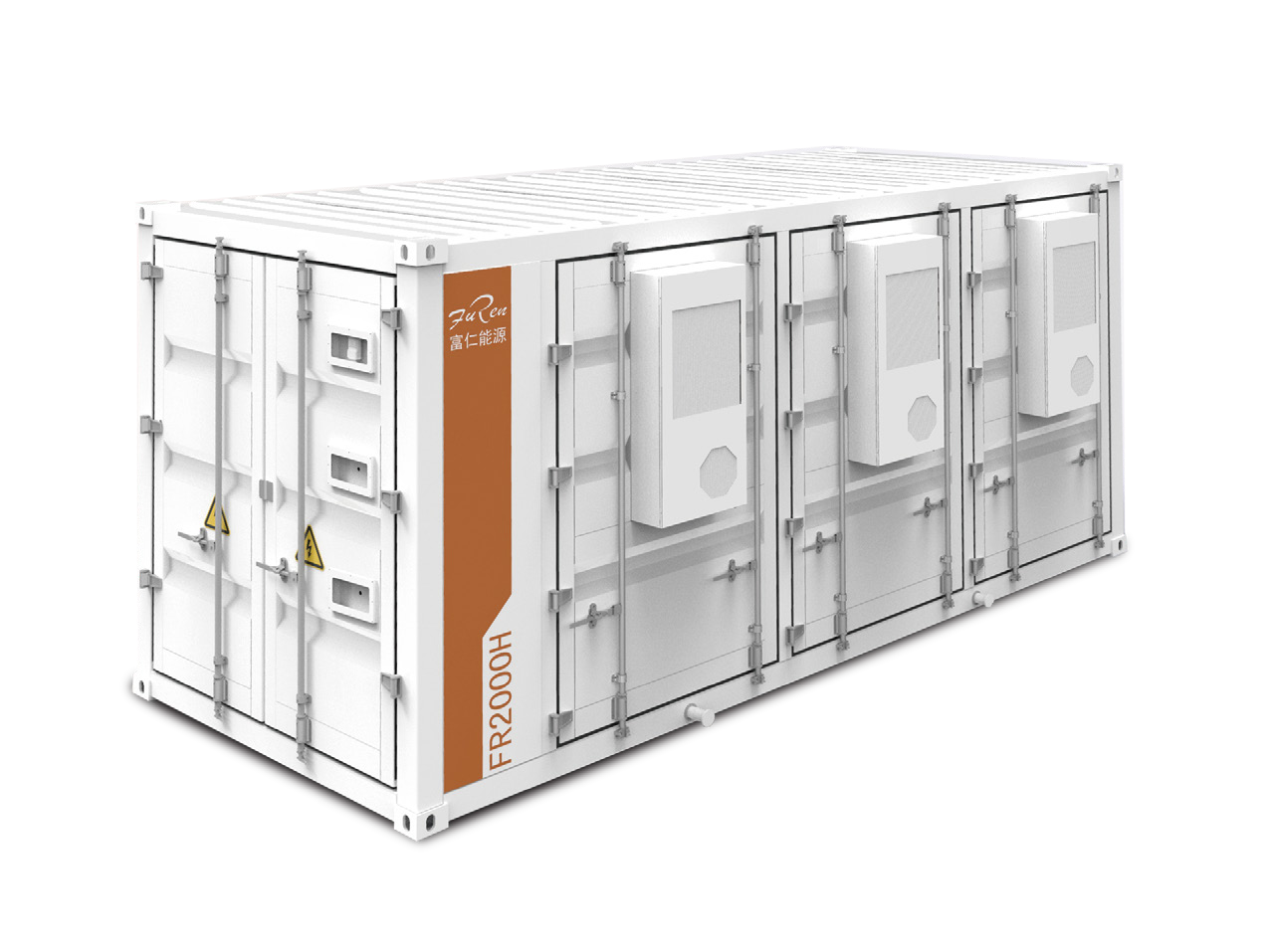
FR2000H 2.15MWh (Air-cooled) 20-foot Containerized Energy Storage System
Jiangyin Furen High-tech Co., Ltd.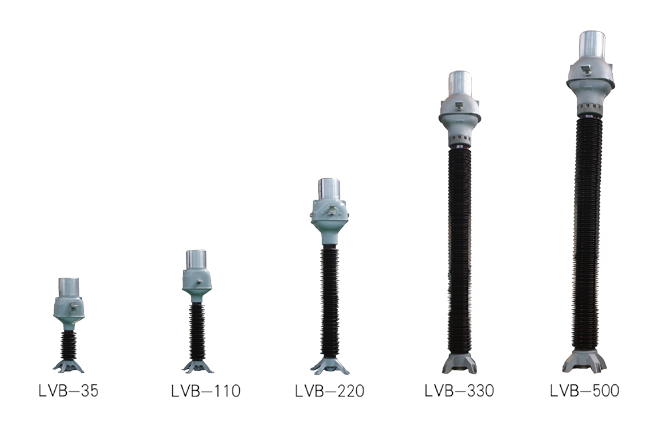
LVB Series 35-500kV Oil-immersed Inverted Current Transformer
Shandong TaiKai Instrument Transformer Co., Ltd.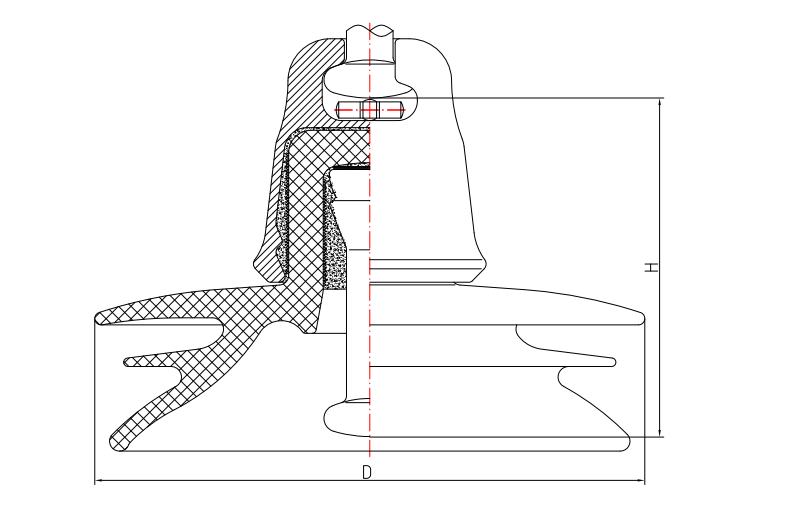
Post-type AC Pollution-resistant Disc Suspension Porcelain Insulator (Triple Umbrella Type)
Shandong High Voltage Insulator Co., Ltd.
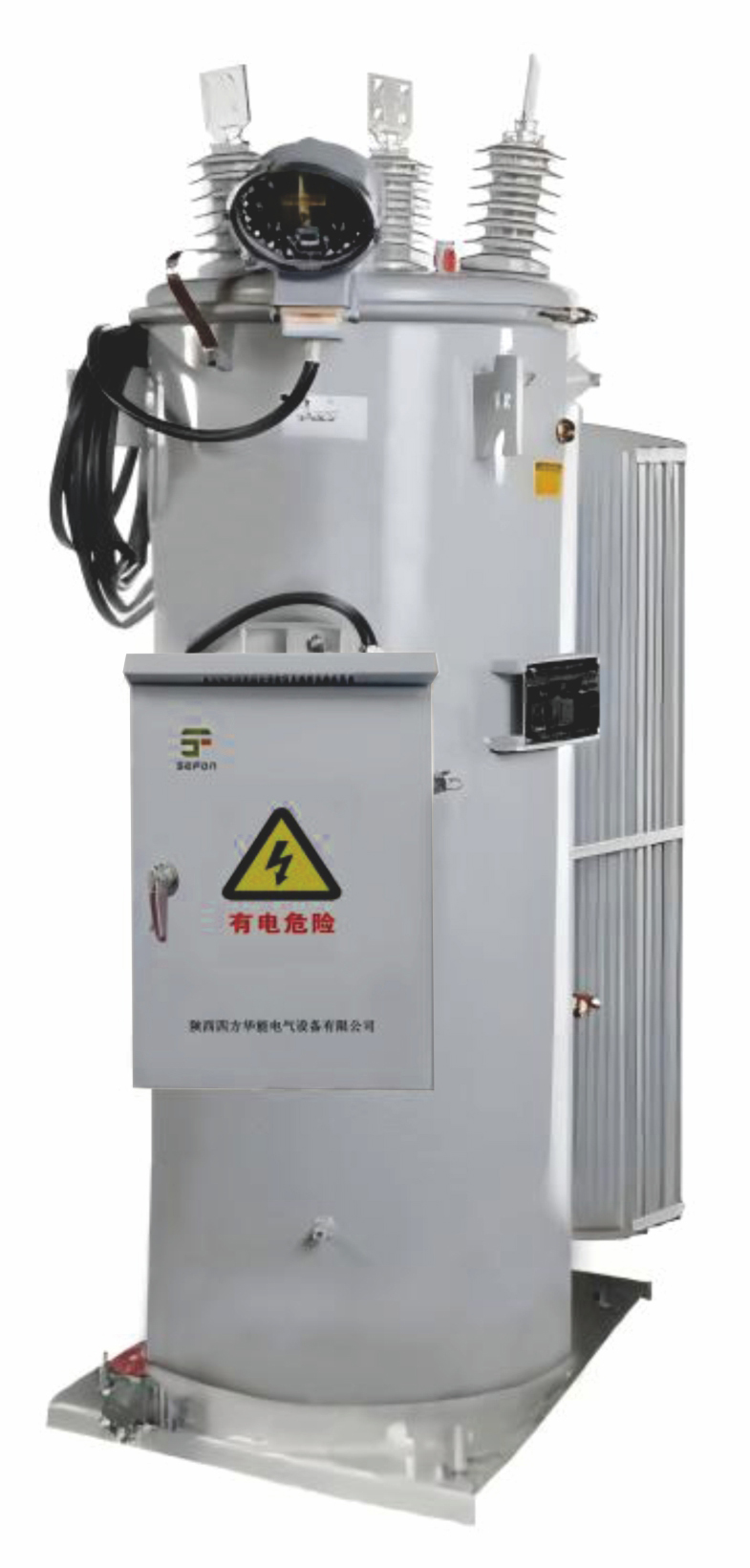
Single-Phase Automatic Voltage Regulator(AVR)
Shaanxi Sefon Electrical Equipment Co.,Ltd.