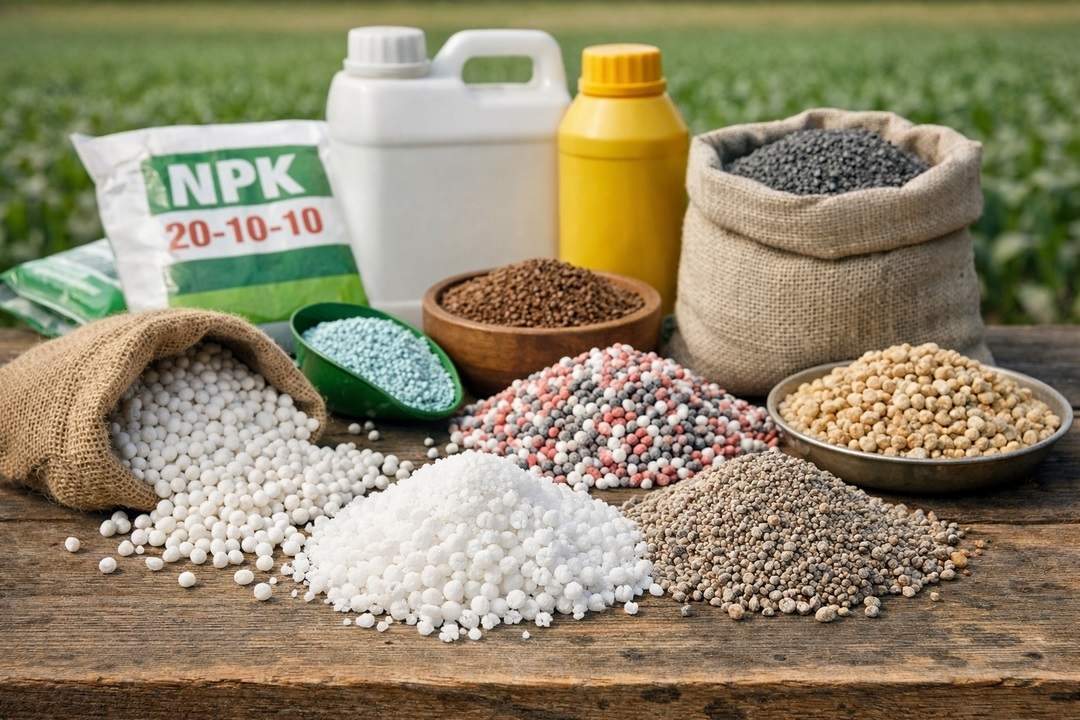
Brazilian Fertilizer Stocks End 2024 at 8.32 Million Tons
Wedoany.com Report-Apr. 16, As of December 31, 2024, Brazil’s fertilizer industry held 8.32 million tons in stock, according to a report by the National Association for Fertilizer Diffusion (ANDA). The 2024 balance adjusted for an estimated 3.9 million tons, accounting for initial stock, domestic production, imports, exports, micronutrient additives, market deliveries, and unreported reserves. These fertilizers supported the mineral fertilizer market, liquid or organomineral applications, and other industrial uses.
Between January and December 2024, Brazil produced 7.21 million tons of fertilizers, a 3.8% rise from 6.95 million tons in 2023. Intermediate fertilizer production reached 605,000 tons by December, reflecting a 7.5% increase. Imports of intermediate fertilizers totaled 41.34 million tons for the year, with 3.44 million tons imported in December alone, highlighting Brazil’s significant reliance on international markets to meet its agricultural needs.
The port of Paranaguá, Brazil’s primary fertilizer entry point, handled 10.34 million tons in 2024, up 9.2% from 9.47 million tons in 2023. This port accounted for roughly 25% of all fertilizer imports, as reported by the Fertilizer and Soil Correctives Industry Union in São Paulo and the Brazilian Ministry of Development, Industry, Commerce, and Services.
Fertilizer deliveries to the Brazilian market reached 45.61 million tons in 2024, a slight 0.5% decline from 45.82 million tons in 2023, attributed to a smaller harvest. December 2024 saw a marginal 0.1% increase over the previous year, with deliveries totaling 3.6 million tons. Mato Grosso led deliveries with 9.77 million tons (21.4%), followed by Rio Grande do Sul (5.12 million), Paraná (5.11 million), São Paulo (4.87 million), Minas Gerais (4.57 million), Goiás (4.3 million), and Bahia (3.03 million).
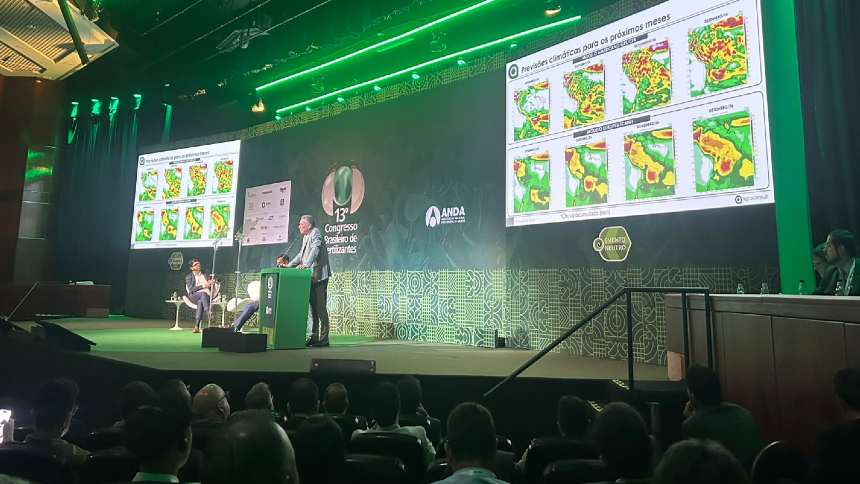
“ANDA, which is always modernizing and keeping up with the market, which changes as it absorbs technology and innovation, works rigorously to identify changes and anticipate perceptions in its statistics. The entity monitors and remains attentive to these transformations,” stated the Brazilian fertilizer sector’s representative body.
Brazil’s reliance on imports, which cover over 80% of its fertilizer consumption, makes the sector vulnerable to exchange rate fluctuations. Luciano Plens, commercial director of FertMinas, noted: “This creates a ripple effect in the production chain, putting pressure on agricultural costs and, consequently, food prices.” Global supply chain challenges further complicate access to these inputs, posing risks to food security.
To address these challenges, João Jaudete, general manager of FertMinas, emphasized the need for enhanced domestic production and advanced technologies. “New coating technologies and special formulations help optimize nutrient absorption, reducing the need for excessive fertilizer application,” he said. Such innovations aim to improve efficiency and reduce Brazil’s dependence on imported fertilizers, supporting sustainable agricultural growth.
Related Products


4HS-8 High-efficiency Peanut Inverted-laying Harvester
Hebei Yongfa Hongtian Agricultural Machinery Manufacturing Co., Ltd.

Industrial and Commercial Point-Type Gas Detector
Jinan Benan Technology Development Co., Ltd.
714CD Series C-Band Weather Radar
Chengdu Zhongdian Jinjiang Information Industry Co., Ltd.