Copper prices closed this week at $6.03 per pound, up 0.09% week-on-week
en.Wedoany.com Reported - Copper prices closed this week at $6.03 per pound, up 0.09% week-on-week, supported by tightening inventories, declining production in Chile, and expectations of U.S. tariffs. According to the International Copper Market Weekly Report, the average price so far this year is $5.94 per pound, up 38.54% from the same period in 2025.
Market focus remains on the U.S., where expectations that refined copper may face tariffs continue to impact physical flows and widen the spread between the New York Mercantile Exchange (COMEX) and the London Metal Exchange (LME). The report shows that the dollar's movement and Federal Reserve policy signals have increased copper's sensitivity to financial factors: early in the week, expectations of higher interest rates strengthened the dollar, pressuring dollar-denominated copper prices; subsequently, weak U.S. employment data alleviated this pressure.
On the supply side, data from the National Institute of Statistics of Chile (INE) shows that Chile's copper production in May fell 12.9% year-on-year, reinforcing market perceptions of constrained mining supply. The market is also facing a shortage of concentrates and negative spot treatment and refining charges. Chinese indicators show slight improvement in manufacturing, but traditional demand remains weak, with the most stable support coming from the power grid, energy storage, electronics, and artificial intelligence sectors.
In terms of inventories, total visible stocks decreased by 21,913 tons this week, a decline of 2.1%, bringing the total to 1,048,203 tons. The reduction was mainly driven by LME (down 14,200 tons) and the Shanghai Futures Exchange (SHFE, down 13,055 tons), while COMEX inventories increased by 5,342 tons. Although global inventory levels remain 146.7% higher than the same period in 2025, regional distribution signals tightness: inventories in London and Shanghai continue to decline, while New York continues to stockpile metals due to tariff expectations.
The spread between COMEX three-month copper futures and LME, though narrowed from recent highs, still reflects a U.S. premium. The market attributes this spread to precautionary buying and regulatory uncertainty—tariffs on refined copper have not yet been finalized. This inventory redistribution pattern highlights the impact of U.S. trade policy on international copper price formation.
Looking ahead to next week, the report indicates that the market will continue to be dominated by U.S. tariff decisions, dollar movements, and economic and inflation data. Without clear catalysts from Chinese or U.S. trade policy, copper prices may remain range-bound. However, declining supply in London and Shanghai, concentrate shortages, and demand related to power grids, data centers, and artificial intelligence are expected to limit deep price corrections.
The report summarizes five factors supporting copper's resilience: expectations of U.S. tariffs on refined copper; declining production in Chile and falling inventories in London and Shanghai; concentrate shortages coupled with negative treatment and refining charges; sulfur and sulfuric acid risks; and structural demand driven by power grids, data centers, artificial intelligence, and electrification.
Related Products
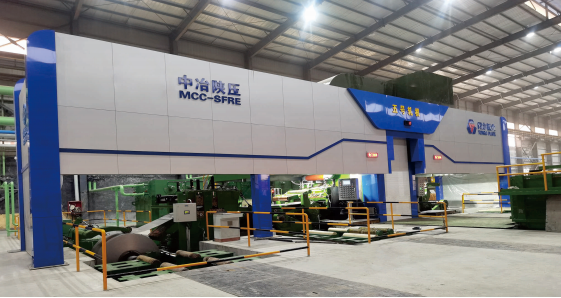

1050-1750mm Steel Strip Single-stand Reversible Cold Rolling Production Line
MCC-SFRE HEAVY INDUSTRY EQUIPMENT CO., LTD.
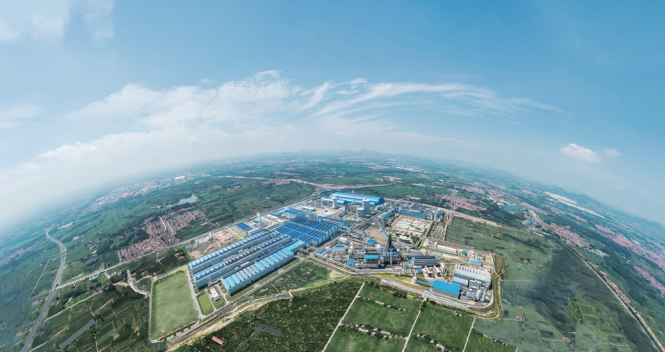
Linyi Steel Investment Special Steel 2.7 Million Tons per Year High-quality Special Steel Project
Capital Engineering & Research Incorporation Limited
CITIC Heavy Industries Metallurgical Equipment Steel Smelting Engineering Equipment
CITIC Heavy Industries Co., Ltd.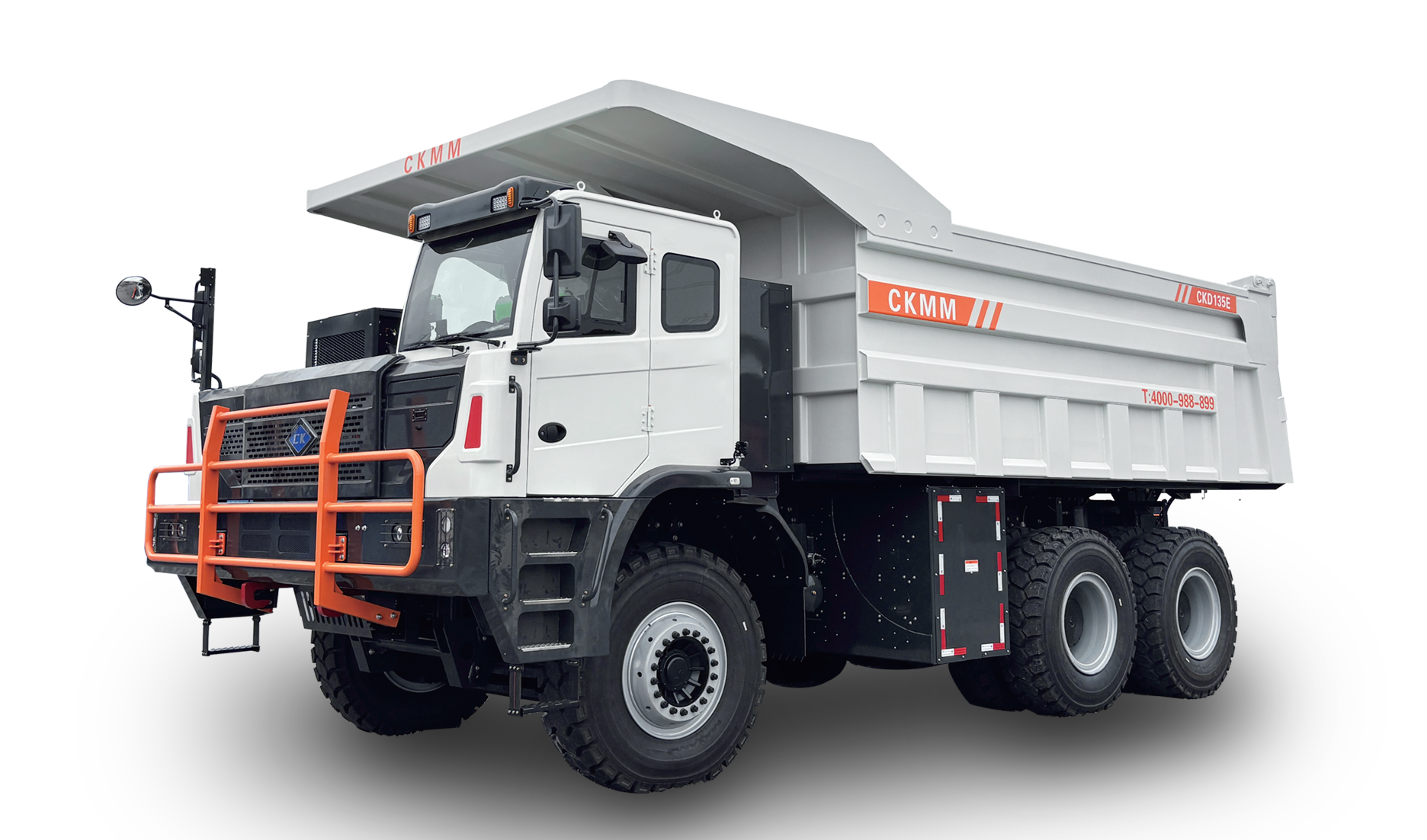
CKD135E Pure Electric Wide-body Dump Truck
Jiangsu Changkuang Engineering Machinery Co. Ltd.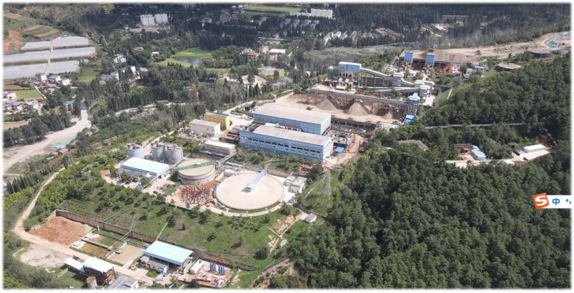
Yunnan Phosphorus Chemical Group Co., Ltd. 2 Million t/a Phosphorus Ore Mining and Beneficiation Project
China Bluestar Lehigh Engineering Corporation

Comprehensive Mining Automation Control System
Beijing Tianma Intelligent Control Technology Co., Ltd.