South Korea's Sangdong Tungsten Mine Resumes Production with Annual Capacity of 4,600 Tons
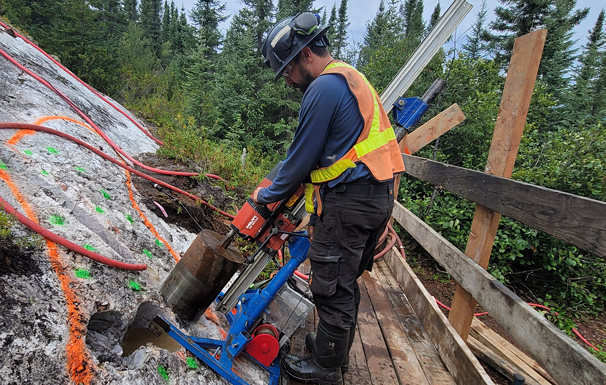
en.Wedoany.com Reported - The Sangdong Mine in Yeongwol County, Gangwon Province, South Korea, has resumed tungsten mining after 32 years of closure, drawing attention from both the United States and Japan. This move is seen as a key step for both countries to stabilize raw material supply chains amid the trend of de-Sinicization. According to a July 3 report by Nikkei, the South Korean subsidiary of U.S.-based Almonty Industries, which is responsible for the mine's operations, along with Yeongwol County, is considering supplying tungsten to Japan. Almonty's South Korean subsidiary began mining operations at the site in March this year.
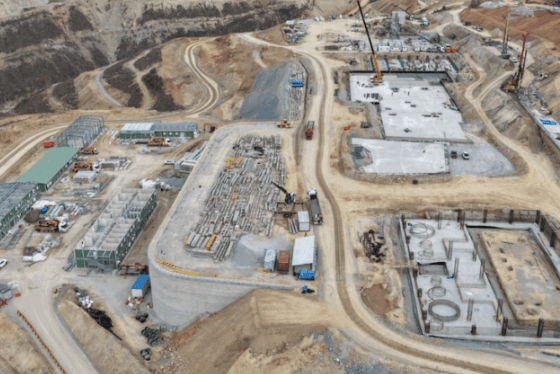
The Sangdong Mine ceased operations in 1994 due to price competition losses against Chinese products, marking 32 years since its closure. According to Nikkei, Almonty acquired the mine in 2015 and has since invested approximately 40 billion yen (about 382 billion won, or $293.85 million) in development. The mine's annual output is expected to reach up to 4,600 tons, with roughly half to be supplied to the U.S. under long-term contracts. The remaining output is planned to meet domestic demand in South Korea, as well as markets in Japan, Asia, and Europe.
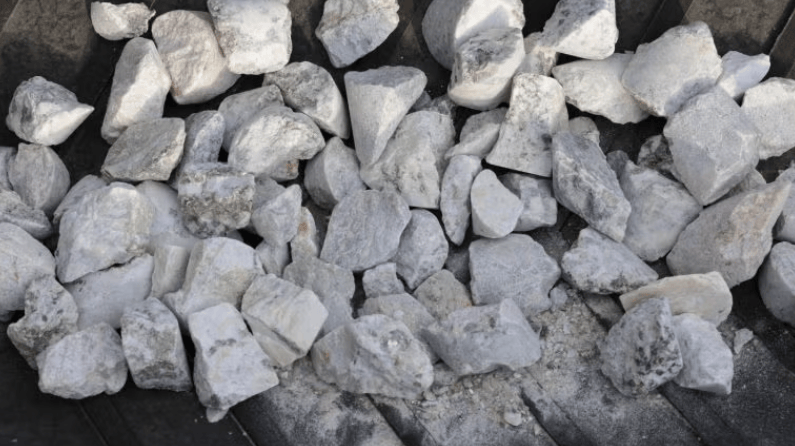
An official from Yeongwol County's Strategic Industries Department stated that if production volumes are secured, exports to Japan are also possible. According to Yeongwol County, the goal is to reduce reliance on Chinese procurement amid U.S.-China tensions, positioning the Sangdong Mine as a tungsten supply base for South Korea and friendly nations. County data shows the mine has an estimated reserve of 58 million tons, with a tungsten content of approximately 0.44%, more than double the global average of 0.18%. The official noted that in the long term, the mine could potentially handle 10% of the global market share. Nikkei reported that Almonty also believes its share of global supply, excluding China, will increase to about 40%.
Additionally, Almonty is collaborating with Yeongwol County to establish a complete system from concentrate to processing, all within the country. Yeongwol County has invested about 8 billion yen, including national subsidies, to develop an industrial park and research facilities, with completion planned for 2029. The county stated that this initiative aims to change the structure of exporting mineral resources overseas without processing, targeting the internalization of the supply chain.
Japan holds an advantage in tungsten processing and commercialization, led by major companies such as Mitsubishi Materials and Sumitomo Electric. According to Nikkei, Yeongwol County officials also highlighted the benefits of establishing a Korea-Japan supply chain, noting Japan's strong capabilities in processing and its proprietary technologies that South Korea lacks.
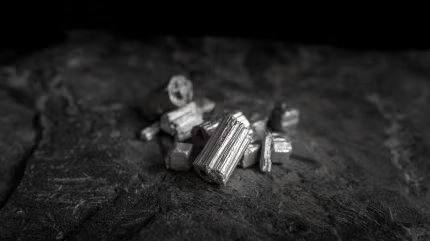
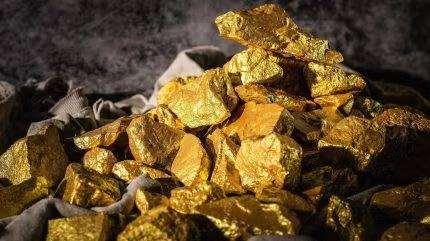
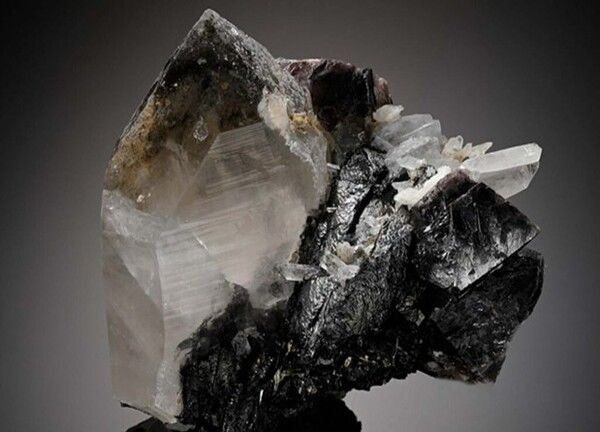
Tungsten is a rare metal widely used in manufacturing sectors such as cutting tools and automobiles. Recently, demand has tightened due to the expansion of artificial intelligence (AI) semiconductors. Nikkei reported that due to China, which accounts for about 80% of global production, strengthening export controls, along with global geopolitical changes and the escalation of the Middle East situation, tungsten trading prices have surged four to five times over the past year.
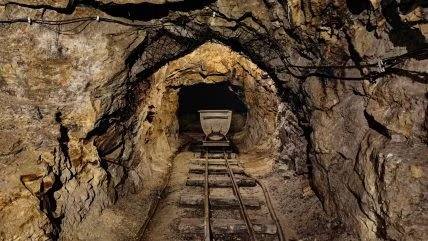
The mine has also drawn attention from the U.S. The New York Times (NYT) reported on the Sangdong Mine in an on-site report on April 1, stating that it has become a focal point amid the U.S. Department of Defense's plan to ban defense industry contractors from using Chinese tungsten starting next year. The report noted that the mine's underground tunnels extend over 3.2 kilometers, and Almonty CEO Lewis Black stated that it would take approximately 45 years to extract all reserves, with the mine having the potential to supply about 40% of global tungsten demand excluding China.
The U.S. has been interested in the mine since the 1950s. In the early Cold War period, the U.S. signed an agreement with the South Korean government and directly managed the mine for several years before returning it to South Korea after the agreement expired in 1954. For the same mine, the U.S. views it as a procurement source for the defense industry, while Japan sees it as a diversified supply channel for semiconductor and automotive raw materials. Medium- to long-term growth in tungsten demand remains the mainstream market expectation, but price volatility is significant. Some assessments suggest that how South Korea expands supply chain cooperation with the U.S. and Japan while cultivating its own processing and industrial base will be a key point to watch in the future.
Related Products

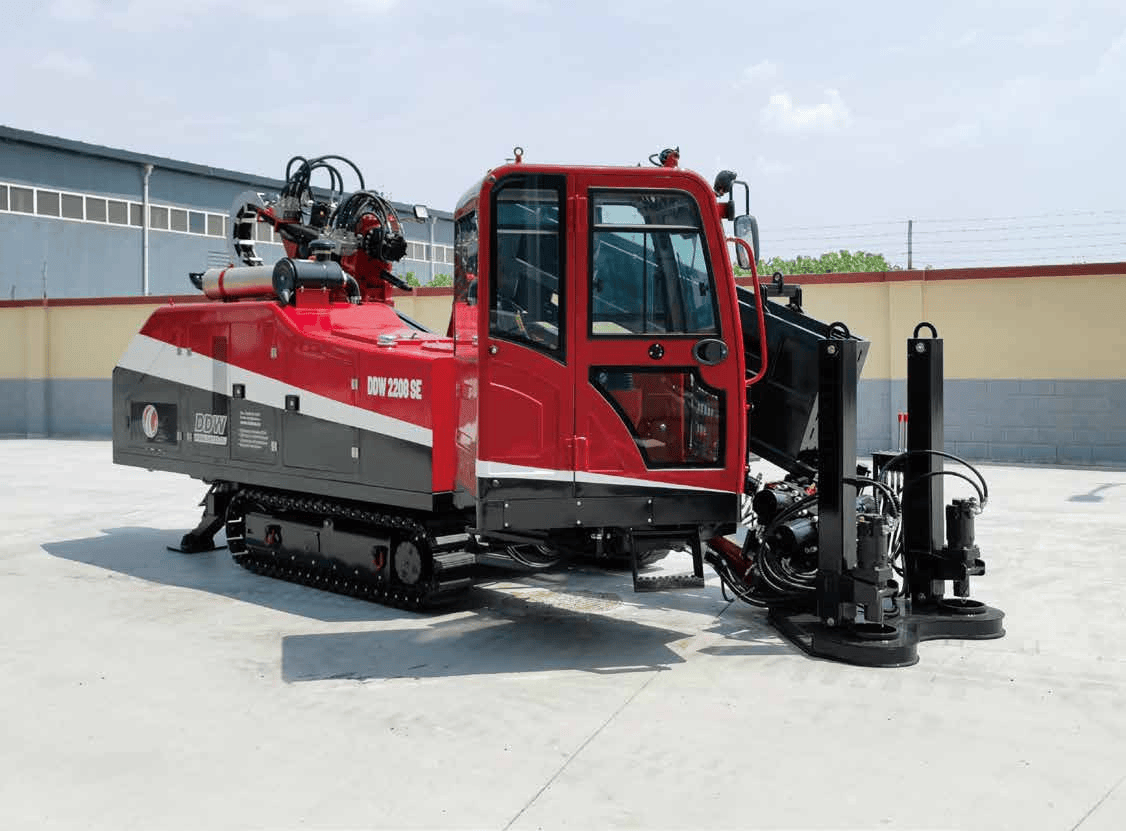
DDW22/08SE-HORIZONTAL DIRECTIONAL DRILL
DW/TXS Construction Equipment (Beijing) Co., Ltd.

Mine Explosion-proof and Intrinsically Safe Industrial Ethernet Ring Network (10 Gigabit/Gigabit)
Chongqing Mas Sci&Tech Co., Ltd.
CITIC Heavy Industries Metallurgical Equipment Steel Smelting Engineering Equipment
CITIC Heavy Industries Co., Ltd.
Industrial and Commercial Point-Type Gas Detector
Jinan Benan Technology Development Co., Ltd.

Quick-Change Single-Seat Control Valve / Quick-Change High-Pressure Single-Seat Control Valve
Beijing Consen Automation Technology Co., Ltd.