Ghana-U.S. Strategic Dialogue Focuses on Satellite Technology and Digital Transformation
en.Wedoany.com Reported - Samuel Nartey George, Ghana's Minister of Communications, Digital Technology, and Innovation, recently held a strategic dialogue in Accra with a delegation from the U.S. government and the U.S. Embassy in Ghana. The discussions centered on cooperation in digital innovation and satellite technology deployment, marking a new phase in bilateral collaboration in the telecommunications infrastructure sector.
The U.S. delegation included Brooke Donilon, Chief of Staff of the National Telecommunications and Information Administration (NTIA); Jaisha Wray, Deputy Administrator; Laurie Kelleher, Acting Commercial Counselor at the U.S. Embassy in Ghana; and Victoria Agbai, Commercial Specialist. The talks revolved around Ghana's digital transformation agenda, with key topics covering the responsible deployment of satellite technology, regulatory frameworks, and cross-border innovation promotion. The meeting coincided with the first satellite training course held in Ghana by the United States Telecommunications Training Institute (USTTI), highlighting the country's rising status as a regional hub for digital and telecommunications development.
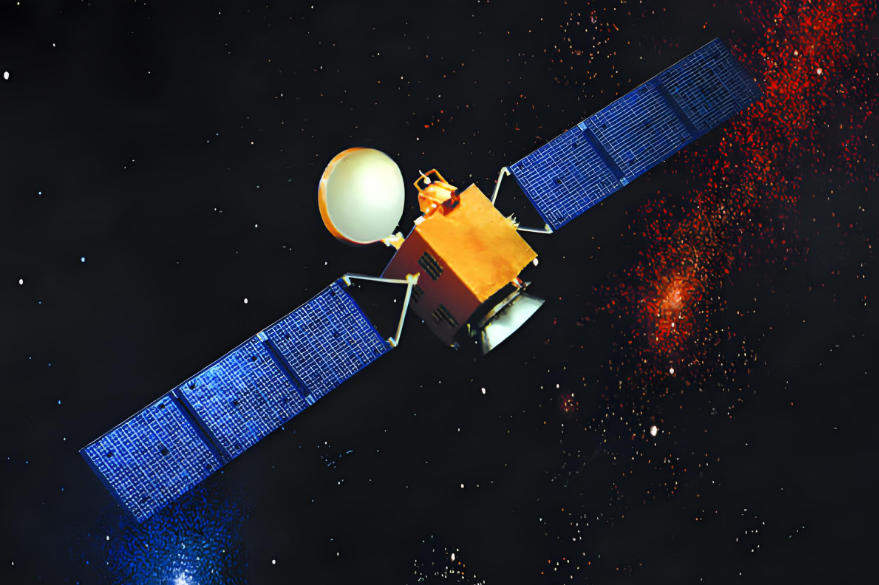
Satellite technology is becoming a critical pillar of Ghana's digital transformation, aiming to address long-standing issues such as rural network coverage, broadband expansion, and digital inclusion. With the country's internet penetration rate now exceeding 70% of the population and over 38 million active mobile connections in 2025, the demand for high-speed, reliable connectivity is particularly acute in remote and underserved areas. Traditional terrestrial infrastructure faces limitations in covering off-grid communities, coastal regions, and high-altitude areas. Satellite solutions, including Very Small Aperture Terminal (VSAT) and Low Earth Orbit (LEO) satellite networks, are being deployed to bridge this gap, providing low-latency, high-bandwidth connectivity for applications such as e-government, fintech and mobile banking, distance education and telemedicine, and disaster emergency communications. Ghana's investments in digital infrastructure are estimated to exceed $400 million, with the National Digital Economy Policy and Digital Address Strategy further emphasizing the importance of scalable and future-proof connectivity solutions for the country to become a regional digital leader.
During the talks, Minister George outlined Ghana's ongoing policy and regulatory reforms in the digital sector, primarily including updating the telecommunications act to align with global best practices, developing a comprehensive artificial intelligence framework to balance innovation and ethical concerns, and promoting regional digital integration, including cross-border data centers and shared infrastructure. George emphasized that a robust regulatory framework is crucial for governing satellite technology deployment, concerning national security, fair competition among service providers, and sustainable development. He also called for enhanced U.S. cooperation in digital skills training, particularly through the "Million Coders Program" to provide programming and digital literacy training for Ghanaians, aiming to reach 1 million people by 2025 and cultivate a workforce for satellite operations, cybersecurity, and AI-related industries.
The U.S. delegation acknowledged Ghana's digital agenda, commending its proactive stance on innovation and regulation. Both sides identified a series of potential cooperation areas, covering satellite technology deployment (including LEO satellite networks for broadband expansion, government-supported satellite projects for national resilience building, and joint R&D for next-generation satellite communications), digital skills and workforce development (including expanding the "Million Coders Program" with U.S. technical expertise, cybersecurity training, and promoting women's participation in tech), connectivity expansion and smart infrastructure (including hybrid satellite, fiber, and 5G networks to meet urban and rural connectivity needs, satellite IoT for smart city projects, and cloud computing and data centers with satellite backup), and responsible innovation and ethical AI (including cross-border data governance, ethical AI guiding principles, and cybersecurity cooperation to counter cyberattacks).
As Ghana develops smart infrastructure, fintech, e-government, and cloud applications, satellite connectivity is seen as a key element to ensure national digital resilience. Potential areas of impact include satellite-based offline banking solutions for the unbanked, telemedicine networks connecting urban and rural clinics, digital classrooms providing internet access for remote learners, and precision agriculture tools using satellite data for crop monitoring and weather forecasting. The U.S. and Ghana committed to continued cooperation, believing that joint investments in satellite technology, digital skills, and regulatory coordination will accelerate Ghana's economic diversification and technological sovereignty. This strategic dialogue also aligns with broader regional digital transformation initiatives, such as the African Continental Free Trade Area (AfCFTA) digital integration framework.
Related Products



GYTA Type Non-Self-Supporting Aerial/Duct Optical Cable
TONGDING INTERCONNECTION INFORMATION CO., LTD.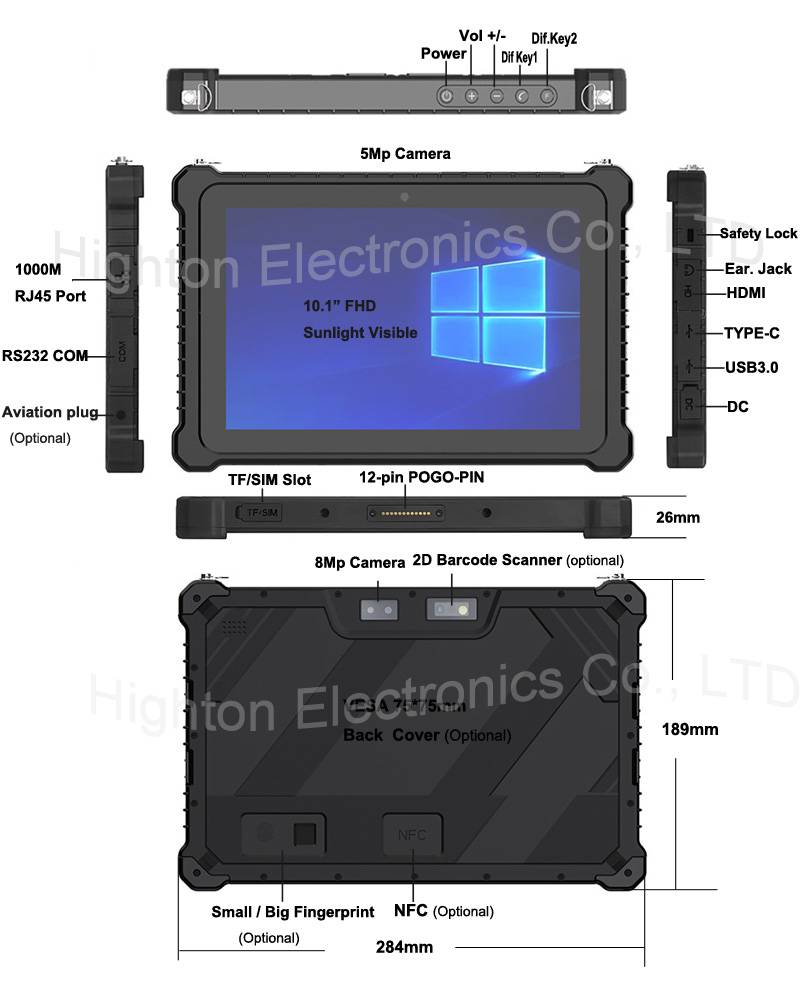
Hot Selling 10 Inch Intel N5100 I5 I7 FHD 8 +128GB 16+256GB Win10 Pro Win11 Pro 4G 5G Rugged Tablet PC Pad with NFC Barcode
Highton Electronics Co., Ltd.

Comprehensive Mining Automation Control System
Beijing Tianma Intelligent Control Technology Co., Ltd.
TWP16 P-Band Tropospheric Wind Profile Radar
China Huayun Meteorological Technology Group Co., Ltd.




MUX Series Communication Interface Device for Security and Stability Control System
Nanjing NR Electric Co., Ltd.
Multi-function Marine Monitoring Low-altitude Detection Radar Sea-air Boundary Ocean Dynamic Environment Measurement
Chengdu Dixin Technology Co., Ltd.