Fouling, Corrosion and Rising Pressure Drop: Managing Heat Exchanger Performance Over Time
en.Wedoany.com Reported - New Heat Exchange Equipment normally meets its design duty during initial operation. Over time, operators may observe lower heat transfer, off-specification outlet temperatures, increasing pressure drop and higher energy use. These changes are often described simply as a dirty exchanger, but mineral scale, suspended particles, biological growth, reaction products, corrosion debris and flow maldistribution can occur separately or together.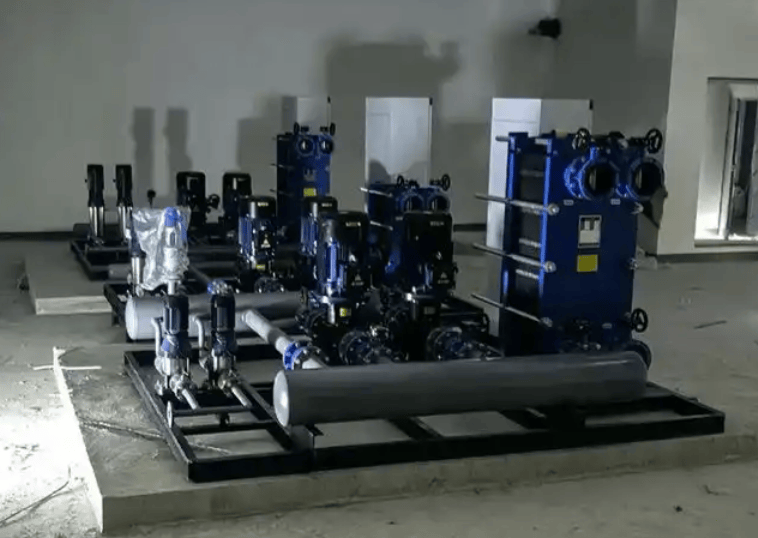
A deposit creates additional thermal resistance between the process fluid and the metal wall. As the overall heat-transfer coefficient falls, the plant may need more steam, greater heating-fluid flow or reduced production to maintain the required temperature. Deposits can also reduce the available flow area and increase pressure drop, raising pump or fan power. The total cost includes not only cleaning and replacement parts, but also fuel use, lost production and unplanned shutdowns.
Mineral scaling is common in water systems containing calcium, magnesium, silica or other species with limited solubility. Changes in wall temperature, concentration, pH and water chemistry can cause salts to precipitate on the heat-transfer surface. Higher velocity can sometimes reduce deposition, but it may also increase erosion and pumping energy. Effective control normally combines water analysis, chemical treatment, blowdown, surface-temperature limits and appropriate local velocity.
Particulate fouling is associated with suspended solids, corrosion products, catalyst fines and process contamination. Low-velocity zones, stagnant regions and poor inlet distribution accelerate deposition. An exchanger may meet its average design velocity while individual tubes or plate channels receive much less flow. Upstream filtration, hydrocyclones, flow distribution and internal geometry can therefore be more effective than simply shortening the cleaning interval.
Microorganisms may attach to surfaces in cooling-water, food-processing and wastewater systems and develop biofilms. A biofilm creates thermal resistance and can capture additional particles, producing a complex deposit. Control may involve biocide treatment, nutrient management, velocity and residence-time control. Excessive oxidizing chemicals can damage metals, coatings or seals, so biological treatment must be compatible with exchanger materials.
Corrosion and fouling often reinforce each other. Deposits can create oxygen-depleted zones and concentration cells that promote pitting or crevice corrosion. Corrosion products can detach, travel downstream and become particulate foulants in other equipment. In flue-gas heat recovery, wall temperatures below the acid dew point may cause acidic condensation. Alloy selection alone does not remove the risk; chloride level, temperature, velocity, stress and weld condition must also be considered.
A 2025 Oak Ridge National Laboratory project on formed plate heat exchangers stated that corrosion, fouling and scaling reduce heat-transfer performance, increase operating and maintenance costs and shorten equipment life. The research examined alternative materials and joining methods and identified advanced coatings, ceramics, composites and high-entropy alloys as promising directions for longer-lasting plate exchangers.
This development illustrates an important shift in equipment engineering. The objective is no longer only to specify a nominally corrosion-resistant alloy. Surface behavior, coating adhesion, joining quality, manufacturability and inspection must also be evaluated. A material that performs well as a laboratory coupon may not deliver the same life when formed, welded and exposed to cyclic thermal stress.
Maintenance strategies are also moving from fixed schedules toward condition-based management. Operators can monitor normalized heat duty, estimated overall heat-transfer coefficient, hot-side and cold-side pressure drop, terminal temperature difference and pumping power. Different combinations of these indicators can help distinguish between blockage, thin-layer fouling, internal bypassing, leaking plates and instrumentation problems.
Cleaning methods must match the deposit mechanism. Mechanical tube cleaning is suitable for some internal deposits. Chemical cleaning can dissolve selected mineral scales or organic material. High-pressure water jetting can remove harder deposits, while online sponge-ball systems or backflushing may be used in certain continuous services. Incorrect chemicals, concentration or temperature can damage tubes, plates, welds and seals.
A deposit sample should therefore be analyzed before a major cleaning campaign, and the waste stream should be included in the procedure. Cleaning that restores heat transfer but creates an uncontrolled hazardous effluent is not a complete maintenance solution. The plant should also record the amount and composition of removed material to improve future prevention.
The most effective fouling strategy begins during design. Engineers can select suitable velocities, minimize stagnant zones, provide cleaning access, choose removable construction and install pressure and temperature measurements. Bypasses and standby capacity may be justified for critical service. After commissioning, water chemistry, feed changes and operating conditions should be stored and analyzed together.
Understanding why deposits form allows a plant to move from repeated cleaning toward formation control. This reduces energy waste, protects production and extends equipment life. Fouling is not merely a maintenance inconvenience; it is a process, materials and data-management problem that must be managed across the entire operating lifecycle.
Related Products

714CD Series C-Band Weather Radar
Chengdu Zhongdian Jinjiang Information Industry Co., Ltd.
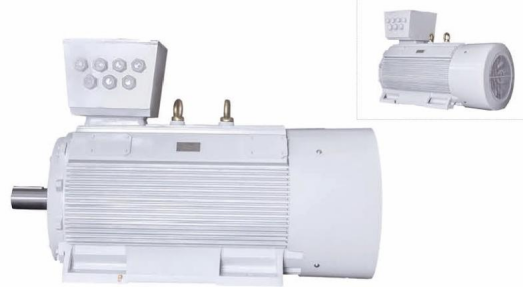
YE3 Series Low Voltage High Power Three-Phase Asynchronous Motor
Shandong Lijiu Electrical Machinery Co., Ltd.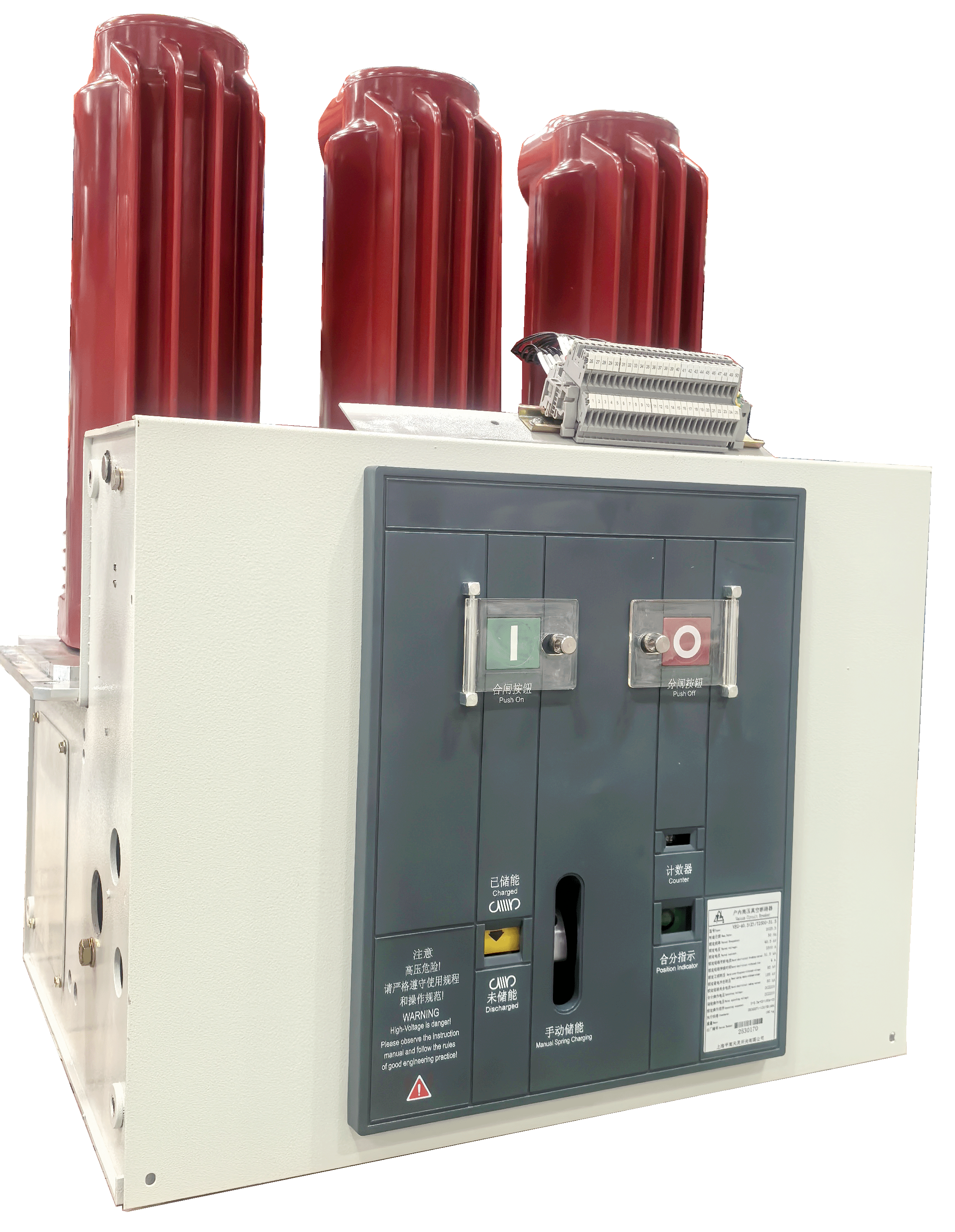
VEG-12/24/40.5 Series Vacuum Circuit Breaker
SHANGHAI PINGGAO TIANLING SWITCHGEAR CO., LTD.
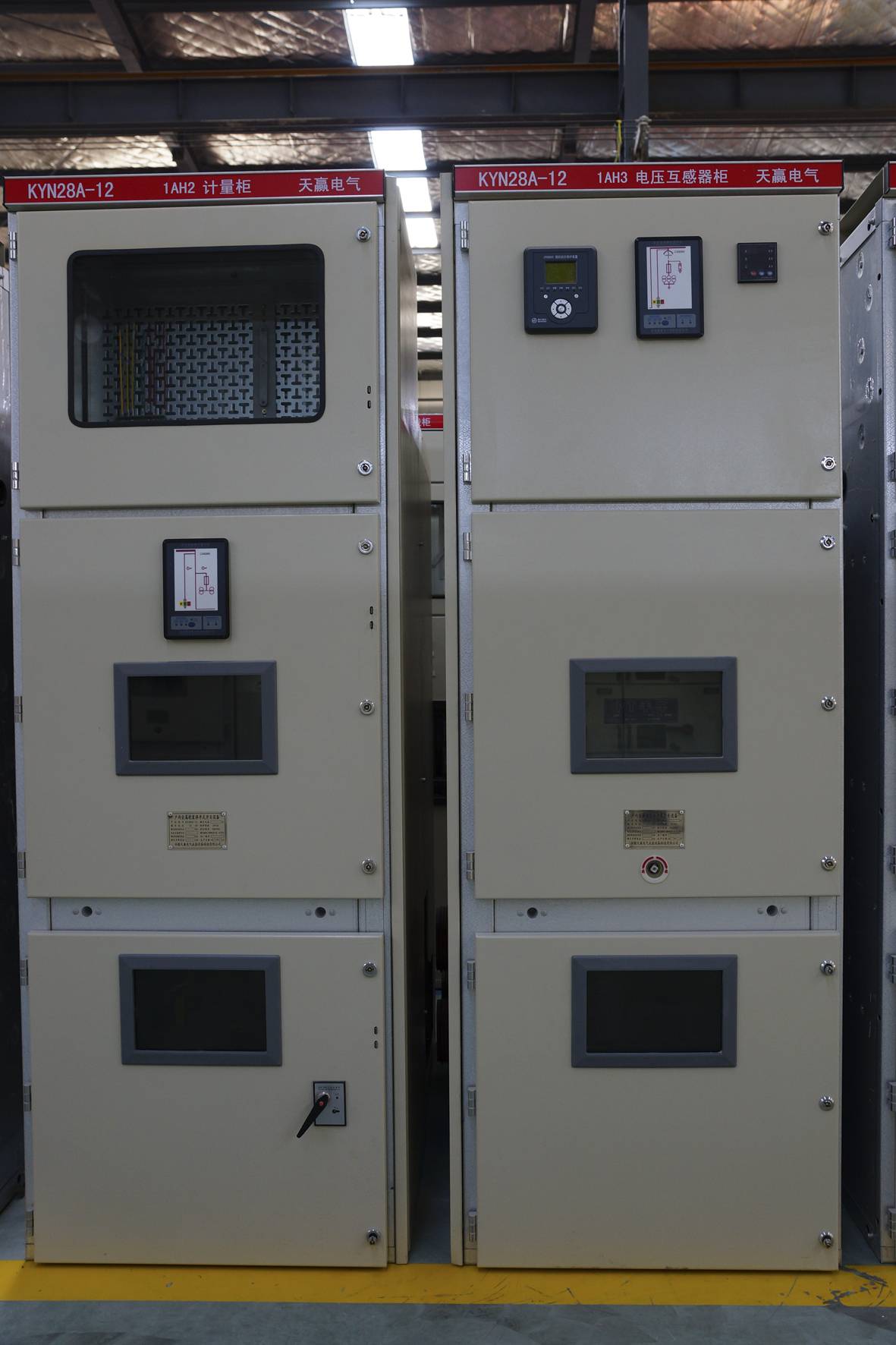
KYN28 - High Voltage Switchgear
Anhui Tianying Electrical Equipment Manufacturing Co., Ltd.
Smart Photovoltaic Prefabricated Substation
Shanghai Jinyou Jinhong Intelligent Electric Co., Ltd.