Zelis Launches AI Solution to Manage No Surprises Act Dispute Process
en.Wedoany.com Reported - Healthcare technology company Zelis has launched a native AI solution designed to help health plans manage the Independent Dispute Resolution (IDR) process under the No Surprises Act (NSA).
Independent Dispute Resolution (IDR) is a process established by the 2020 No Surprises Act (NSA) for adjudicating out-of-network claims. Zelis's solution leverages AI to automate payer workflows, covering everything from claim repricing, open negotiation, dispute prevention, case management, to IDR adjudication. Executives stated that the company introduced this new solution as the volume of disputes, compliance requirements, and process deadlines put pressure on payer operations.
At the end of May, the Centers for Medicare and Medicaid Services (CMS) finalized modifications to the dispute resolution process under the No Surprises Act. The rule, jointly developed by the Department of Health and Human Services (HHS), the Department of Labor (DOL), the Department of the Treasury, and the Office of Personnel Management (OPM), reduced the dispute processing fee from $115 to $15. The federal government believes this will make participation easier while "maintaining a self-sustaining program."
The final rule introduces new communication, open negotiation, eligibility, batching, and process requirements aimed at reducing ineligible disputes and improving the efficiency of the federal dispute resolution process. The rule requires payers to use standardized claim codes in communications related to out-of-network care, making it easier for providers to identify whether a specific claim qualifies for IDR.
Zelis stated that its new solution supports evolving requirements, including changing deadlines, reporting obligations, and process complexities under the NSA. The solution automates workflows within the IDR process, reducing operational blind spots and helping to streamline out-of-network claim processing. According to the company, the solution enables payers to transition from manual, fragmented dispute management to a more strategic, data-driven operational model.
By using automated intake, documentation, alerts, and escalation workflows, the solution ensures cases progress on time, reducing the risk of missed deadlines, unnecessary costs, and avoidable financial losses. Company executives noted that the solution features real-time dashboards, Qualified Payment Amount (QPA) comparison analysis, a complete communication audit trail, and evidence-based pricing recommendations. The company stated it also has predictive intelligence for customizing case submissions, challenging ineligible disputes, and revealing Independent Dispute Resolution Entity (IDRE) behavior and provider patterns, thereby optimizing settlement strategies and improving performance.
Jim Bridges, President of Price Optimization at Zelis, said in a statement: "The rule changes from CMS and HHS improve the efficiency and long-term sustainability of the NSA, but payers are overwhelmed by the complexity and cost of the IDR process. Zelis NSA Claim Advantage provides payers with a smarter way to manage the IDR lifecycle. It combines native AI automation, data-driven intelligence, and human review at every step to identify risks early, reduce avoidable disputes, and replace guesswork with predictable outcomes."
The number of claims pushed into the IDR phase far exceeds the federal government's initial expectations when establishing the No Surprises Act process. According to a 2025 HHS fact sheet (PDF), when the federal IDR portal first opened in 2022, the number of disputes received was nearly 14 times the initial projection—and the current annual dispute volume has exceeded that projection by over 100 times. According to CMS, since the process was established in April 2022, over 5 million disputes have been submitted to IDR.
Payers have widely criticized this trend, noting that data shows a small number of providers account for the vast majority of disputes entering IDR. And when cases go to arbitration, providers are highly likely to win, with significant gains. Following a court ruling that modified the guidance CMS provided to third-party arbitrators, IDR has largely favored providers over payers. For example, in the second quarter of 2025, the rate proposed by providers was selected in approximately 87% of closed IDR disputes.
Zelis stated that its new solution builds on claims processing experience, including handling $2.39 billion in NSA claim savings in 2025, with only about 8% of claims escalating to IDR. The company serves over 750 payers, including the top five national health plans, regional health plans, third-party administrators (TPAs), as well as healthcare providers and consumers.
Related Products



G.652.D Wavelength-extended Non-dispersion Shifted Single-mode Optical Fiber
HONGAN GROUP CO., LTD.
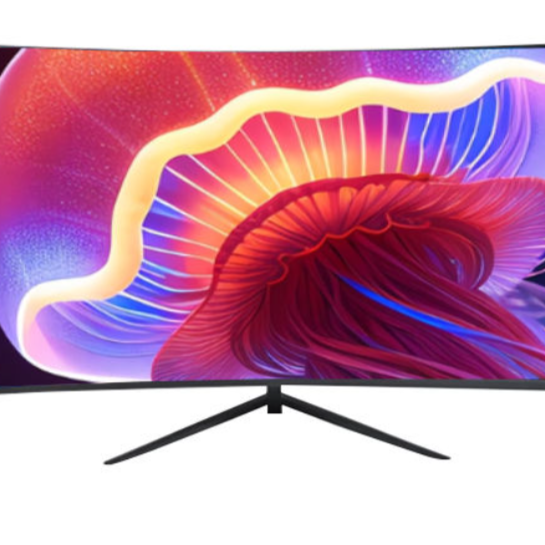
20 Inch 1600*900 Full HD 60Hz TFT LED Monitor with VGA and DP Interfaces for Desktop Computers-Business Use
Guangzhou Zanying Optoelectronics Technology Co., Ltd.
TWP16 P-Band Tropospheric Wind Profile Radar
China Huayun Meteorological Technology Group Co., Ltd.
Multi-function Marine Monitoring Low-altitude Detection Radar Sea-air Boundary Ocean Dynamic Environment Measurement
Chengdu Dixin Technology Co., Ltd.