en.Wedoany.com Reported - Recently, Ganfeng Lithium's Cauchari-Olaroz Salar Phase II project in Argentina was successfully selected for the country's Large Investment Incentive Program (RIGI), becoming the first major lithium resource project led by a Chinese enterprise under this program. This marks a milestone in Chinese enterprises' deep participation in Argentina's strategic lithium resource development, signifying another key breakthrough in Ganfeng Lithium's global high-quality lithium resource layout.
Argentina's RIGI program is a core economic reform initiative launched by the Milei government in 2024, aimed at attracting large-scale strategic investments through a series of core benefits, covering eight major sectors including mining and energy. Ganfeng Lithium's Cauchari-Olaroz Phase II project's successful inclusion will fully enjoy the preferential policies of the RIGI program, fully reflecting the Argentine government's high recognition of Ganfeng's technical strength, project value, and China-Argentina industrial cooperation, while also providing solid policy guarantees for the project's long-term stable operation.
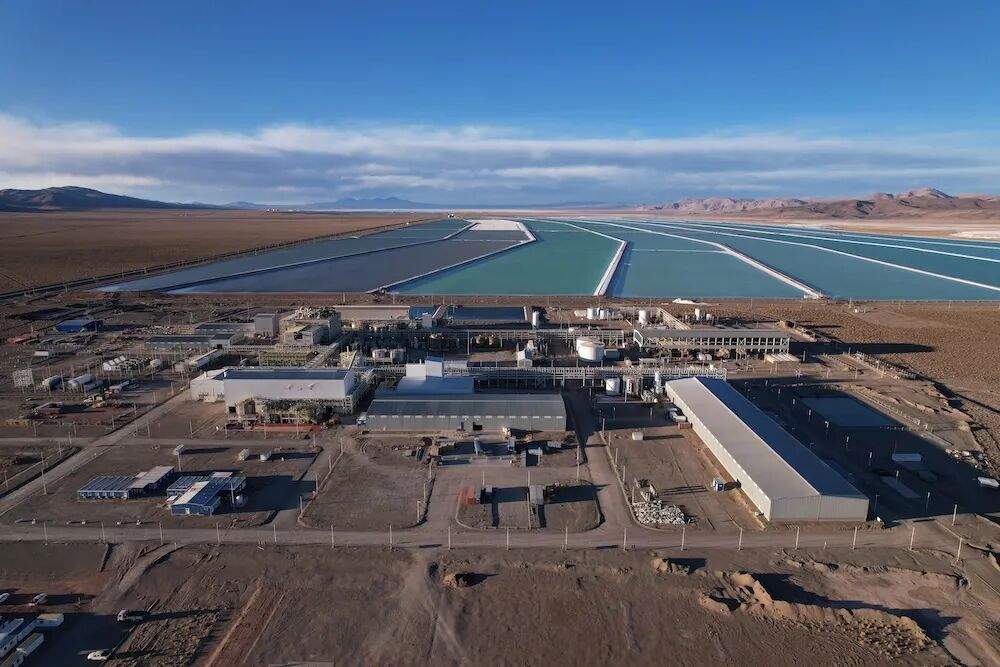
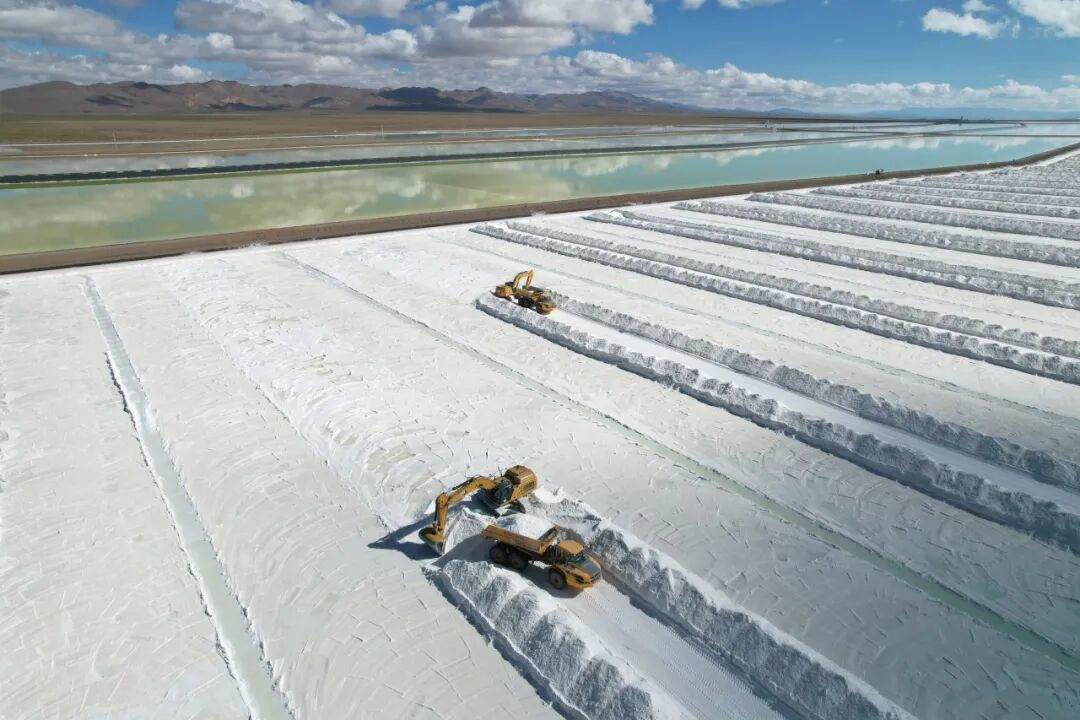
The Cauchari-Olaroz Salar project, located in Jujuy Province in northwestern Argentina, is a landmark project for Chinese enterprises in Argentina's lithium resource sector and an important practice of high-quality development under the China-Argentina Belt and Road Initiative. During project implementation, Ganfeng strictly complies with local laws and regulations, deeply practices ESG principles, and adopts green processes such as solar evaporation and water resource recycling to create a low-carbon, environmentally sustainable development project. Additionally, the project will create more direct and indirect jobs locally, drive the development of infrastructure, logistics, and supporting industries, and contribute to Argentina's economic recovery and industrial upgrading, achieving win-win cooperation between China and Argentina.
The Phase I project successfully commenced production in 2023, with a designed capacity of 40,000 tons of LCE per year, producing a total of 34,100 tons of lithium carbonate in 2025. The Phase II project, selected for the RIGI program, has a planned annual capacity of 45,000 tons of LCE and will adopt more advanced and environmentally friendly DLE lithium extraction technology. After expansion, it will significantly enhance the company's lithium resource self-sufficiency rate. Meanwhile, the tax, tariff, and foreign exchange benefits brought by the RIGI policy will substantially reduce the project's operating costs, further strengthening its competitiveness when combined with the low-cost advantages of brine lithium extraction.
Furthermore, the successful selection of the Phase II project for the RIGI program will accumulate valuable experience for the company's subsequent deployment of more high-quality lithium resource projects in Argentina and Latin America, establishing a replicable cooperation benchmark. Currently, the Phase II project has submitted an environmental permit application to the local government.
Ganfeng Lithium will take this selection for the RIGI program as an opportunity to fully leverage policy advantages, accelerate the construction of the Phase II project, and ensure its early completion, commissioning, and capacity release. At the same time, the company will continue to deeply cultivate the Argentine market, relying on the RIGI program platform to actively explore more high-quality lithium resource cooperation opportunities, further improving the global lithium resource industry chain layout.
In the future, Ganfeng Lithium will continue to uphold the principles of green development and win-win cooperation, using its lithium resource projects in Argentina—such as Cauchari-Olaroz, Mariana, and PPGS—as links to deepen China-Argentina new energy industry cooperation, provide more high-quality lithium products and solutions for the global new energy industry development, and contribute Ganfeng's strength to promoting global energy transition and achieving carbon neutrality goals.