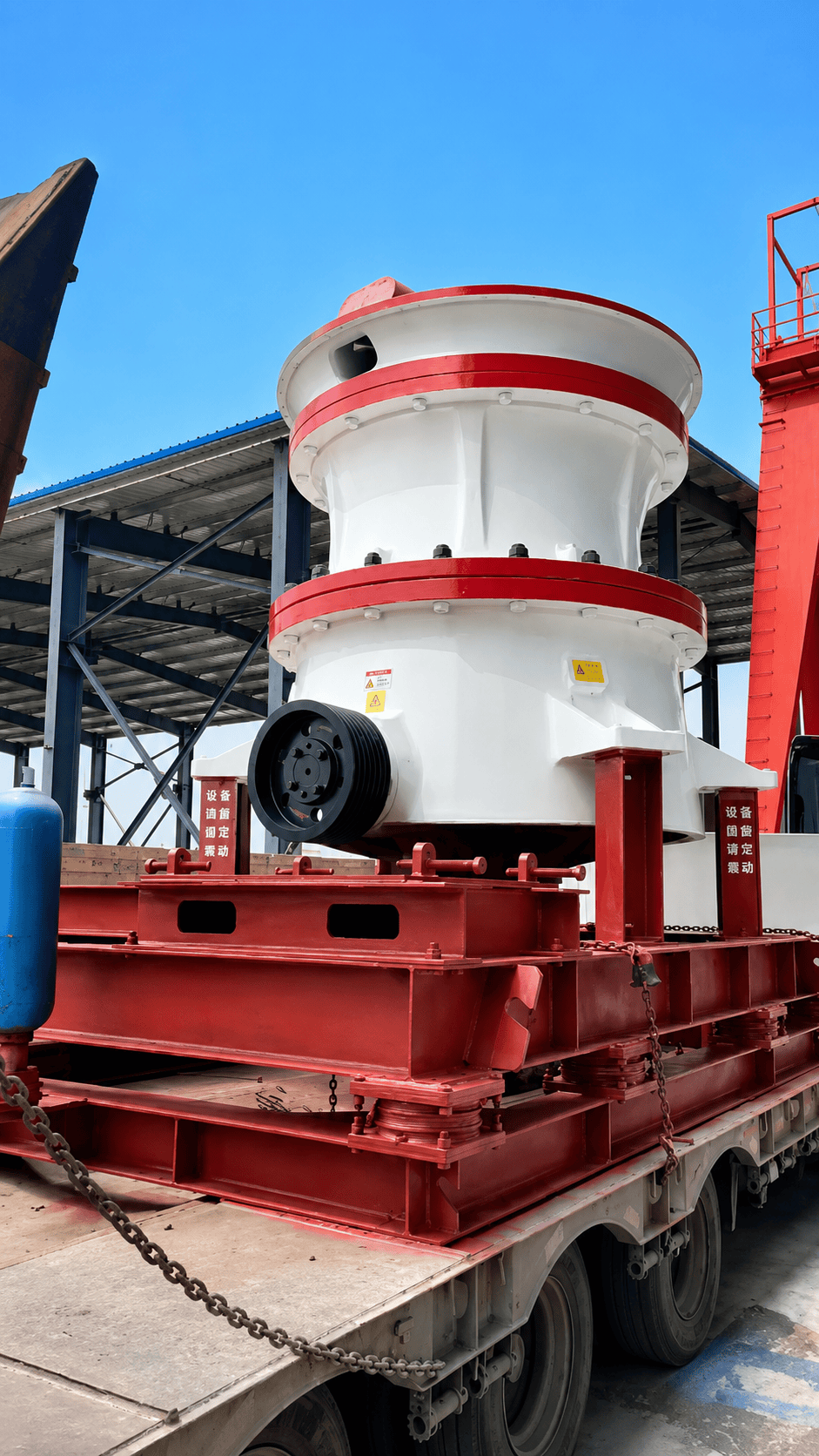
Dakota Gold's 2026 Drilling at Richmond Hill Gold Mine in South Dakota, USA, Returns High-Grade Mineralization
en.Wedoany.com Reported - Dakota Gold (NYSE-A: DC) has discovered additional high-grade mineralization zones within the planned open-pit development area of its Richmond Hill gold project in South Dakota, USA, through new drilling.
Expansion hole RH26C-432 intersected 26 meters grading 11.36 g/t gold and 14.92 g/t silver from approximately 75 meters depth. Hole RH26C-437 intersected 38 meters grading 2.89 g/t gold and 8.18 g/t silver from approximately 145 meters depth.
Dakota Gold's recently completed 2026 Richmond Hill drilling program comprised a total of 112 infill, expansion, and geotechnical holes totaling 17,273 meters. Gold and silver assay results from over 350 holes completed this year and last year will be incorporated into the pre-feasibility study (PFS) scheduled for release by December 31.
Scotiabank mining analyst Eric Winmill stated in a report that these results "extend high-grade mineralization beyond the existing measured and indicated resource envelope and reinforce resource growth ahead of the PFS." He described the assays as "positive."
Other highlights include hole RH26C-452, which intersected 16 meters grading 1.63 g/t gold and 12.03 g/t silver from 79 meters depth. Hole RH26C-448 intersected 22 meters grading 0.61 g/t gold and 55.85 g/t silver from 11 meters depth.
Dakota Gold stated that the Richmond Hill PFS is progressing well, with key long-lead-time items identified. Among these, the longest lead-time item is the substation, for which the company has secured a construction slot through Black Hills Energy.
Expansion drilling in the Richmond Hill Northeast project area remains open in all directions.
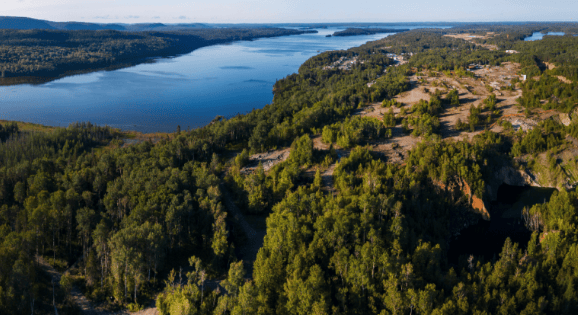
Located approximately 320 kilometers west of Pierre, the capital of South Dakota, Richmond Hill is part of a 180-square-kilometer land package controlled by the company near the historic Homestake mine. The deposit hosts a large oxide gold system amenable to conventional open-pit mining and heap leach processing. The Homestake mine produced approximately 40 million ounces of gold over more than 145 years of operation before ceasing operations in 2002.
Dakota Gold CEO Robert Quartermain previously founded Pretium Resources and developed the Brucejack mine in British Columbia before agreeing to be acquired by Newcrest (now Newmont Mining, TSX: NGT; NYSE: NEM) in 2021 for approximately C$3.5 billion (US$2.5 billion). He founded Dakota Gold the following year to explore in South Dakota.
According to an S-K 1300 initial assessment released in July, Richmond Hill could produce between 2.6 million and 3.9 million ounces of gold over a potential 28-year mine life. The project has an after-tax net present value of US$1.6 billion (C$2.4 billion) to US$2.1 billion, an after-tax internal rate of return of 55% to 59%, and initial capital costs of US$384 million. Dakota's target is to begin production in 2029.
Based on an initial resource estimate released in February 2025, the project hosts 244.7 million tonnes of measured and indicated resources grading 0.46 g/t gold and 4.83 g/t silver, containing 3.6 million ounces of gold and 38 million ounces of silver. Inferred resources total 230.6 million tonnes grading 0.35 g/t gold and 3.09 g/t silver, containing 2.6 million ounces of gold and 22.7 million ounces of silver.
Dakota Gold shares rose nearly 1% on Monday in New York to US$4.51, giving the company a market capitalization of approximately US$600 million (C$852 million). The stock has traded in a range of US$3.60 to US$7.25 over the past year.
Related Products

New Environmentally Friendly Green Potassium Salt Collector
Chonfar Engineering and Technology Co., Ltd.
Integrated Excavation and Anchoring Machine (EJM Series)
China Railway Construction Heavy Industry Corporation Limited
High-temperature Equal Wall Thickness High-power Screw Drilling Tool
Orient Energy & Technologies Co., Ltd.

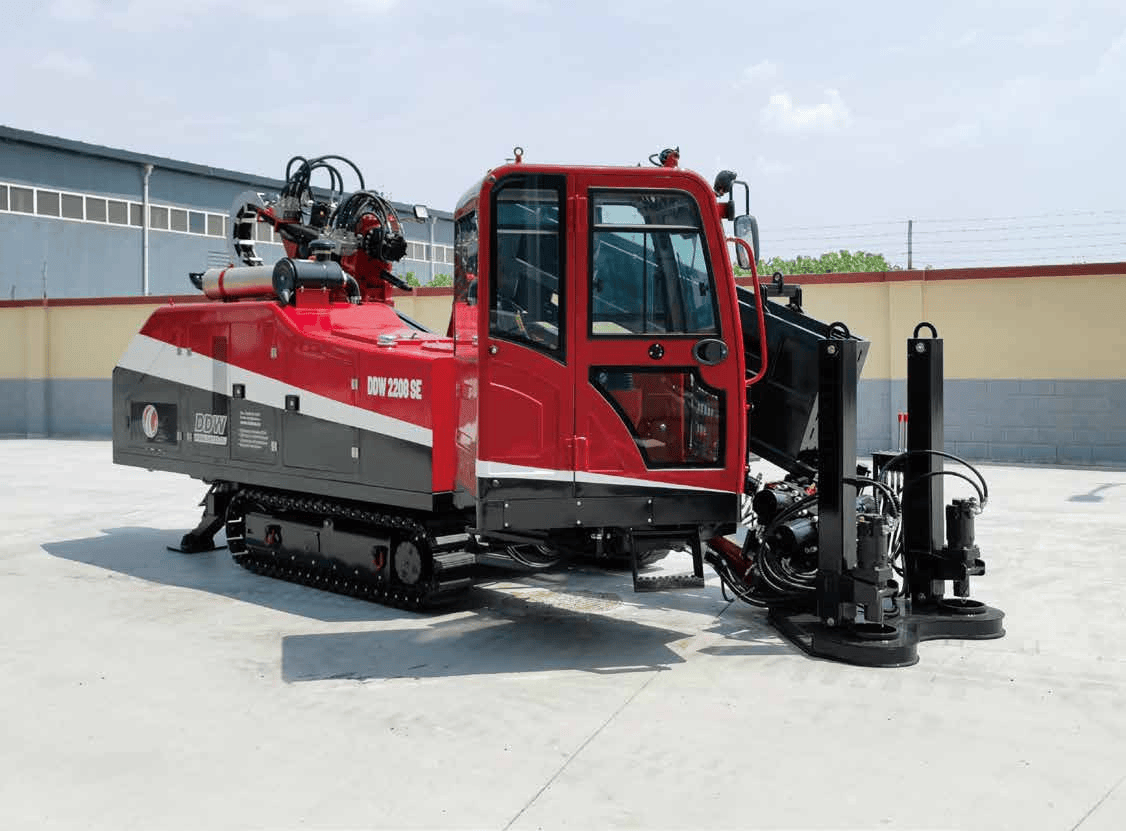
DDW22/08SE-HORIZONTAL DIRECTIONAL DRILL
DW/TXS Construction Equipment (Beijing) Co., Ltd.