Deep Sea Minerals Corp. Evaluates Pacific Polymetallic Nodules as Supplementary Source
en.Wedoany.com Reported - The structural transformation of the global energy system is driving rising demand for critical minerals, driven by electrification, decarbonization, and the expansion of digital infrastructure, increasing reliance on minerals such as copper, cobalt, nickel, manganese, graphite, and rare earth elements. Meanwhile, terrestrial sources face challenges including declining ore grades, environmental and social constraints, and supply concentration risks. Seabed mineral resources, particularly polymetallic nodules in the Clarion-Clipperton Zone (CCZ) of the Pacific Ocean and regions such as the Cook Islands, are being evaluated as potential supplementary supply sources. James Deckelman, CEO of Deep Sea Minerals Corp., recently spoke with the Canadian Mining Journal about the role of deep-sea minerals, project development strategies, cost structures, regulatory frameworks, and industry prospects.
Polymetallic nodules, which contain multiple critical minerals within a single ore body, have been studied for decades. Estimates from the International Energy Agency (IEA) suggest that the market value of critical minerals could grow by approximately 30% to 40% by 2030, with continued growth through 2040. One assessment indicates that meeting projected demand for battery minerals by 2030 would require approximately 293 new onshore mines, a target considered unrealistic. Consequently, Deep Sea Minerals Corp. is applying for exploration licenses in the CCZ, the Cook Islands, and other Pacific regions, planning activities ranging from exploration to potential pilot mining and commercial extraction.
In terms of operational costs, operating expenses (OpEx) are expected to be comparable to deepwater oil and gas development, while capital expenditures (CapEx), particularly in the processing stage, are also substantial. Cost estimates range from tens of millions of dollars for exploration, hundreds of millions for production development, to billions for processing infrastructure. Unlike the risk profile of oil and gas development, polymetallic nodules lie on the seabed surface, are unattached, visible, and inert, allowing for high-precision resource quantification with potential recovery efficiency approaching 100%. Pre-feasibility assessments conducted by industry participants indicate that despite high costs, full-cycle project economics may still be attractive, with financial metrics including high net present value (NPV), internal rate of return (IRR), and EBITDA margins. Technology development focuses on collection systems, environmental management (e.g., addressing the impact of sediment plumes), and processing systems optimized for polymetallic nodules, with some pilot processing projects underway.
On the regulatory front, the International Seabed Authority (ISA) has historically been responsible for managing seabed resources in international waters beyond exclusive economic zones (EEZs), but progress on regulations for commercial mining has been slow. Recent developments include the ISA Secretary-General submitting a revised draft of mining regulations at a Council meeting in Kingston, Jamaica. Meanwhile, alternative regulatory mechanisms are emerging. In the United States, the National Oceanic and Atmospheric Administration (NOAA) is considering establishing a framework that would allow joint exploration licenses and commercial recovery permits for international waters beyond EEZs. Deep Sea Minerals Corp. is applying for exploration licenses under this alternative mechanism, including applications for areas within the CCZ.
Deckelman believes the industry is advancing rapidly on multiple fronts. Demand is driven by the energy transition, defense, clean technology, and growth in artificial intelligence and cloud computing; supply is constrained by declining ore grades, supply disruptions, and geographic concentration. U.S. government policy support is increasing, such as an executive order issued in April 2025 designating critical minerals as a national security priority. Seabed collection technology is also advancing, with initiatives including the approximately $12 billion "Project Vault" strategic reserve and a strategic partnership between the U.S. and the Cook Islands. In the market, investments related to AI, data centers, and cloud infrastructure could total approximately $3 trillion over the next five years. Key indicators of industry viability include regulatory clarity, technology validation, processing capacity, commercial deployment, capital deployment, and the integration of seabed minerals into global supply chains.
Related Products

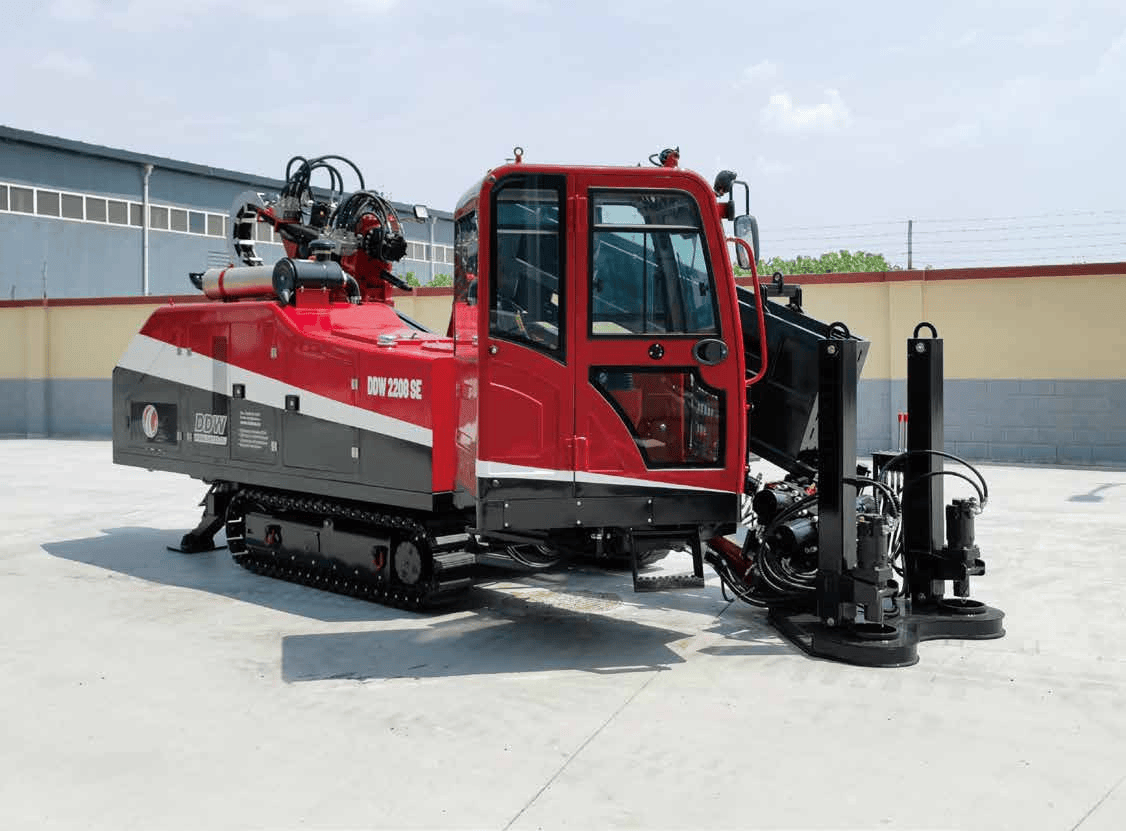
DDW22/08SE-HORIZONTAL DIRECTIONAL DRILL
DW/TXS Construction Equipment (Beijing) Co., Ltd.
Mine Explosion-proof and Intrinsically Safe Industrial Ethernet Ring Network (10 Gigabit/Gigabit)
Chongqing Mas Sci&Tech Co., Ltd.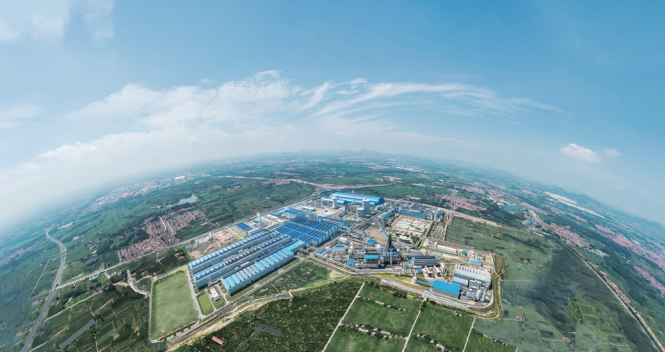
Linyi Steel Investment Special Steel 2.7 Million Tons per Year High-quality Special Steel Project
Capital Engineering & Research Incorporation Limited
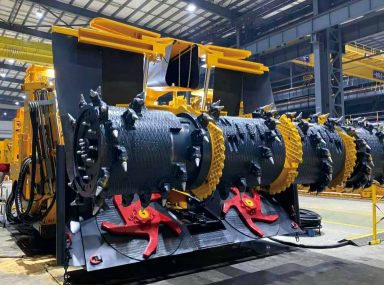
Integrated Excavation and Anchoring Machine (EJM Series)
China Railway Construction Heavy Industry Corporation Limited
Industrial and Commercial Point-Type Gas Detector
Jinan Benan Technology Development Co., Ltd.
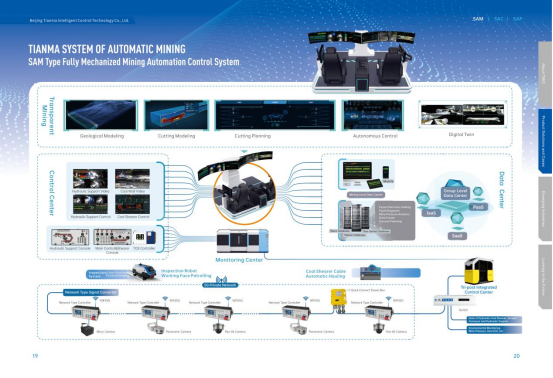
Comprehensive Mining Automation Control System
Beijing Tianma Intelligent Control Technology Co., Ltd.