Alcoa Takes Over South32's Aluminum Asset Portfolio
en.Wedoany.com Reported - Alcoa will take over South32's aluminum asset portfolio, including the Hillside smelter in Richards Bay. This transaction is a landmark for South Africa's industrial development and tests the country's ability to balance industrial ambitions with practical realities.
The Hillside smelter is the largest aluminum smelting facility in Africa and the biggest private customer of Eskom, South Africa's national power utility, while providing thousands of jobs in KwaZulu-Natal. For three decades, its operations have relied on a fragile arrangement: multinational corporations receive cheap electricity, while local residents bear the burden of load-shedding and rising power prices. With Alcoa's involvement, the government must address a key question: Should Eskom continue to subsidize electricity for Hillside, or should the smelter bear its own power costs? Avoiding this issue will exacerbate social inequality, while confronting it could weaken one of the country's few industrial pillars.
Historical cases highlight the risks. The Bayside smelter, located not far from Hillside, closed in 2012 after decades of operation. Once a symbol of local industrial rise, it ultimately succumbed to rising energy costs and global competitive pressures, resulting in hundreds of job losses and leaving a scar on the local economy. This demonstrates that even long-standing industrial assets can disappear when they become financially unviable.
Mozambique's Mozal smelter offers another cautionary tale. Once regarded as a flagship project, it halted production earlier this year due to prohibitively high electricity costs, leading to thousands of job losses. South Africa must avoid repeating this mistake.
Another notable contradiction is that South Africa does not mine bauxite, the ore needed to produce aluminum. Hillside imports raw materials through Richards Bay, uses subsidized electricity for smelting, and then exports the finished metal. This model raises questions about the essence of industrialization: When a country imports ore, subsidizes power, and ships products abroad, does this truly constitute industrialization?
As a global aluminum giant, Alcoa's management could bring new efficiencies and investments to Hillside, helping it integrate into the global supply chain. However, this scenario may exacerbate tensions: a multinational corporation profits from subsidized electricity while South Africans continue to experience rolling blackouts.
The government faces a dilemma. On one hand, Hillside is a vital industrial asset supporting jobs, exports, and regional development. On the other, it reflects distortions in South Africa's energy economy—ordinary households and small businesses pay high electricity tariffs, while the smelter consumes vast amounts of subsidized power. Resolving this contradiction will require a willingness to adjust policies.
The trajectory of Hillside will test whether South Africa can build a sustainable and equitable industrialization model. If the smelter thrives under Alcoa, South Africa can secure a place in the global supply chain and prove that heavy industry and social justice can coexist. If it fails, South Africa may join Mozambique as one of the countries that once pinned hopes on the aluminum industry but could not secure its power supply. This is not just about aluminum; it is about whether South Africa can reconcile its industrial ambitions with the realities of its energy crisis, resource base, and social contract.
Related Products


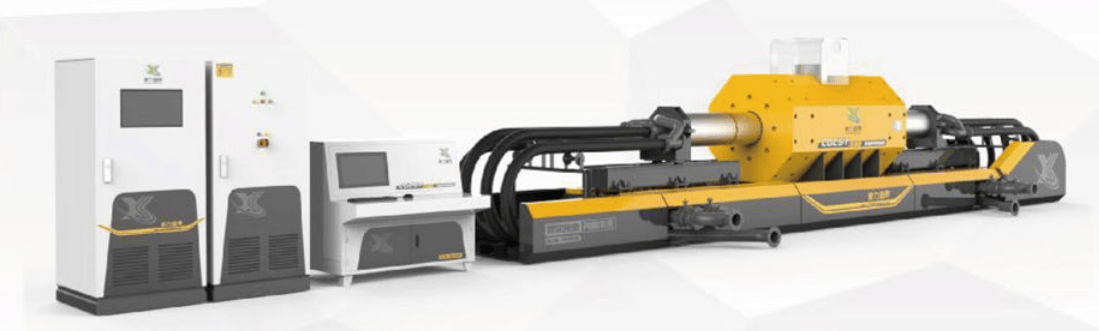
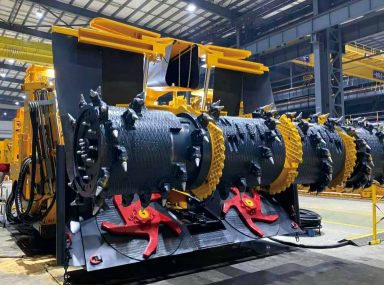
Integrated Excavation and Anchoring Machine (EJM Series)
China Railway Construction Heavy Industry Corporation Limited
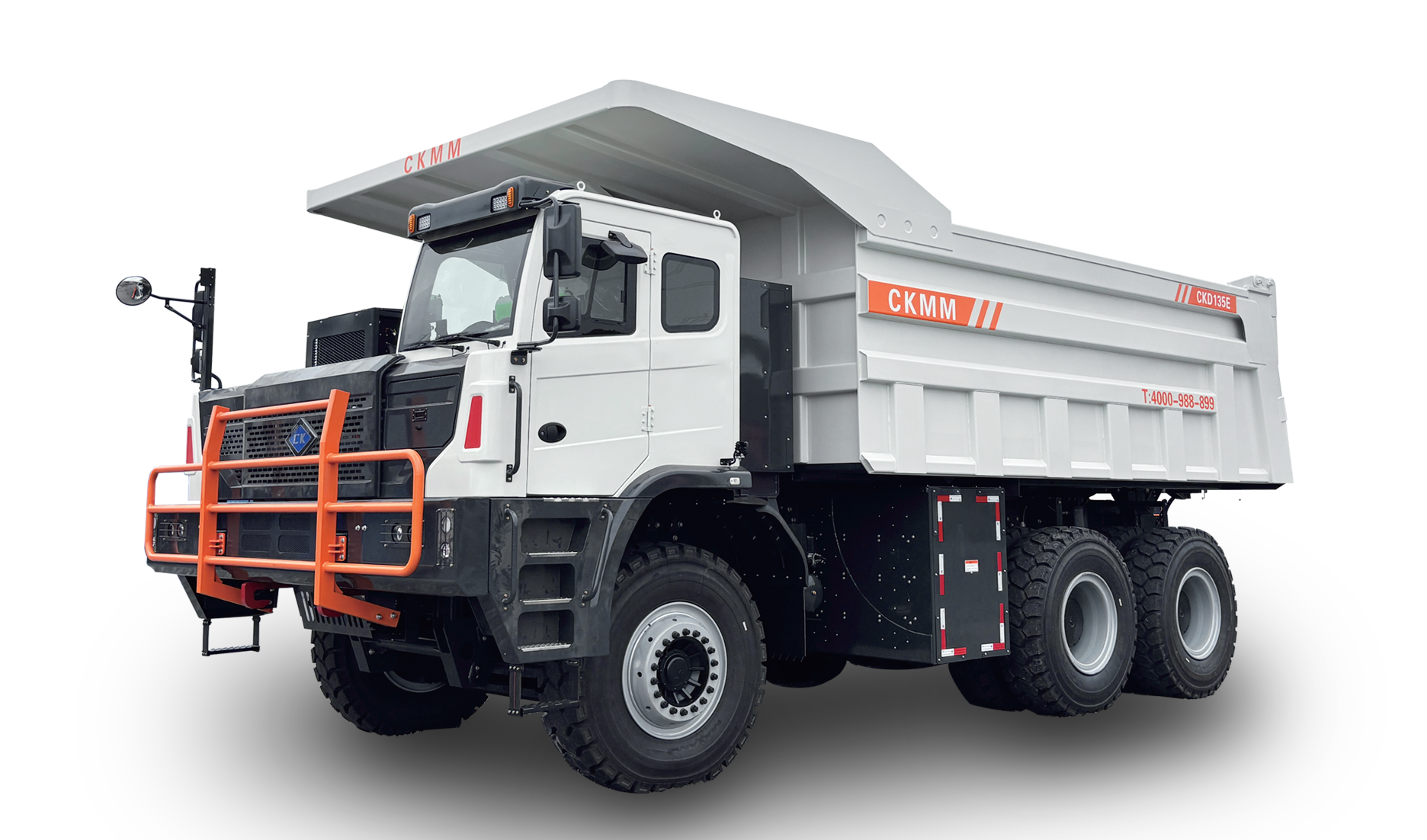
CKD135E Pure Electric Wide-body Dump Truck
Jiangsu Changkuang Engineering Machinery Co. Ltd.
CITIC Heavy Industries Metallurgical Equipment Steel Smelting Engineering Equipment
CITIC Heavy Industries Co., Ltd.
High-temperature Equal Wall Thickness High-power Screw Drilling Tool
Orient Energy & Technologies Co., Ltd.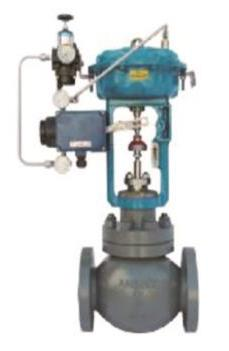
Quick-Change Single-Seat Control Valve / Quick-Change High-Pressure Single-Seat Control Valve
Beijing Consen Automation Technology Co., Ltd.