API Laser Tracker Enables Micron-Level Dynamic Measurement of Pipe Crawling Robots
en.Wedoany.com Reported - The Radian and iLT series laser trackers from API (Automated Precision Inc.) meet the dynamic measurement requirements of pipe crawling robots. These instruments offer micron-level (μm, 1/1000 mm) measurement accuracy, a measurement radius exceeding 80 meters, and a data acquisition rate of 1000 Hz (1000 points per second), enabling high-precision dynamic trajectory acquisition and evaluation of pipe crawling robots in motion.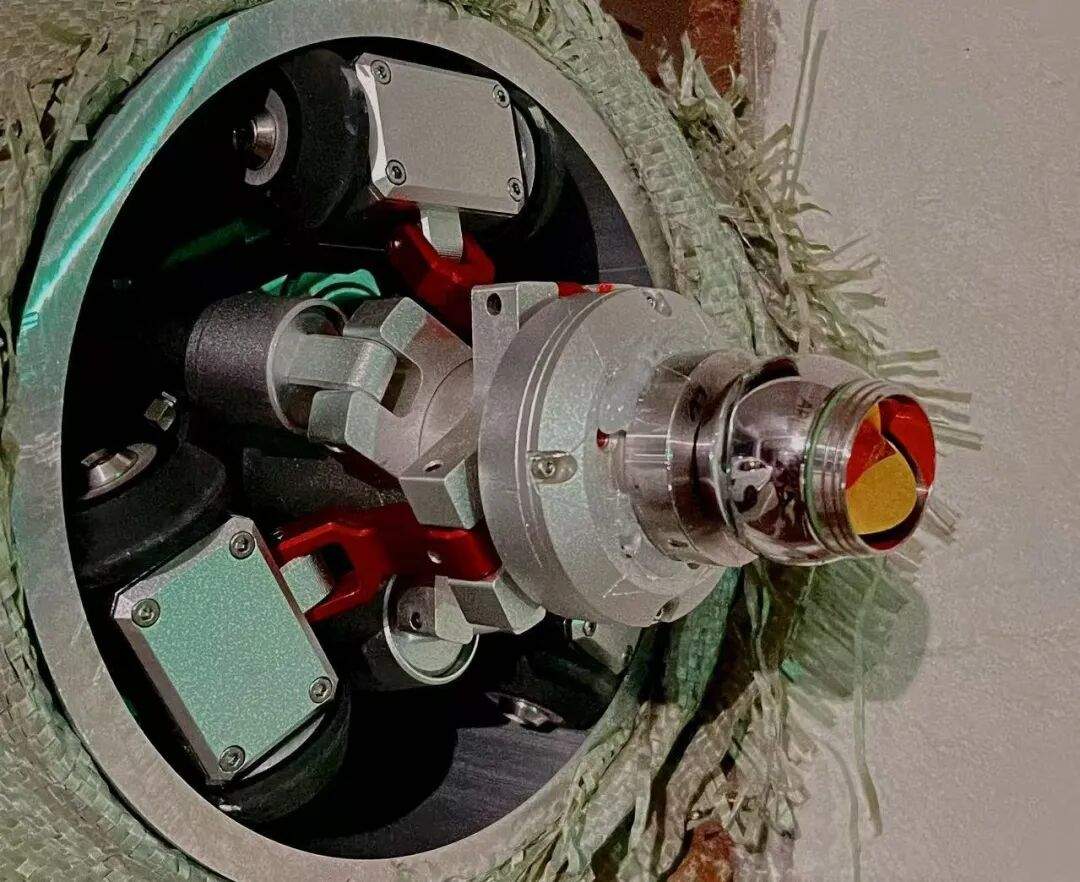
Pipe crawling robots are commonly used for specialized operations inside pipelines, requiring access to pipe spaces that are difficult or impossible for personnel to enter. Due to the inaccessibility of the work locations, operations often need to be performed automatically, imposing high demands on operational accuracy and stability, which must be inspected and evaluated. The measurement and evaluation of the operational accuracy and stability of pipe crawling robots often need to be conducted while the robot is in motion, making it difficult for traditional measurement tools to achieve high-quality dynamic data acquisition.
The Radian Pro model laser tracker integrates IFM interferometric laser for traceable measurement data. The Radian Plus/Core models are built on a fully wireless measurement platform, enabling wireless power and data transmission. The iLT series laser trackers, while retaining the functionality of the Radian series, reduce the main unit's volume and weight by nearly 50%, making them suitable for portable field measurements and production line integration.
For measuring the operational accuracy and stability of the pipe crawling robot in this case, the evaluation can be performed by dynamically measuring the robot's motion trajectory, assessing its straightness, and comparing it with the parallelism of the pipeline axis. During measurement, first position the API laser tracker at a suitable location at one end of the pipeline to ensure the laser can pass through the pipe and cover the inspection path. Then, fix a high-precision target ball (SMR) to the end of the crawling robot. The laser tracker emits a laser to the center of the target ball and locks on. As the crawling robot moves along the set path, the tracker continuously tracks and dynamically acquires the position of the target ball's center point, feeding the data back to the measurement software for subsequent analysis. After data acquisition is complete, use the collected point cloud data in the measurement software to construct a theoretical line and evaluate straightness. Then, compare the parallelism with the pre-measured and fitted pipeline center axis, ultimately achieving the goal of evaluating the crawling robot's positional accuracy and operational stability.
Leveraging the ultra-high data acquisition rate of API laser trackers, in addition to dynamic measurement and acquisition of pipe crawling robot trajectories, API laser trackers can also serve applications requiring high-precision dynamic 3D/6D data acquisition, such as AGV/AMR trajectory measurement and monitoring, UAV trajectory measurement and monitoring, dynamic trajectory measurement of humanoid/industrial/collaborative/medical robots, dynamic testing of six-degree-of-freedom platforms (hexapods), dynamic testing of parallel kinematic machines, dynamic performance testing of construction machinery lifting platforms/cabins and other movable components, and performance testing of construction marking robots.
With their micron-level measurement accuracy, large-scale measurement range, and dynamic measurement capabilities, API series laser trackers meet the needs of pipe crawling robots and other scenarios requiring dynamic 3D/6D data acquisition. The API brand was founded by Dr. Kam Lau in 1987 in Rockville, Maryland, USA. As the inventor of the laser tracker, API holds numerous measurement technology patents, dedicated to the research and development of precision measurement instruments and high-performance sensors for the mechanical manufacturing sector. Its products are used in advanced manufacturing fields worldwide, leading in high-precision standards for coordinate measurement and machine tool performance testing.
Related Products

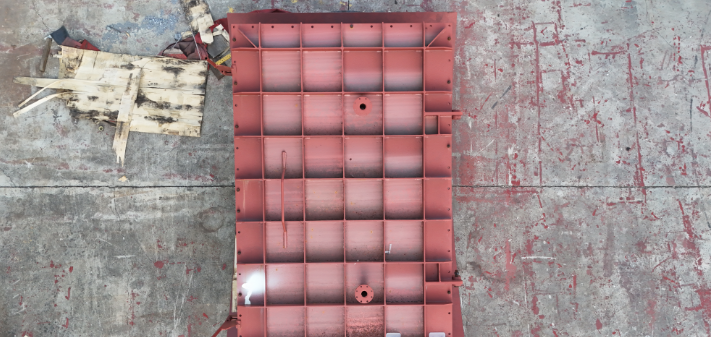

CAP1400 main feedwater flow nozzle flowmeter.
Jiangsu Hongda Instrument Technology Co., LTD.
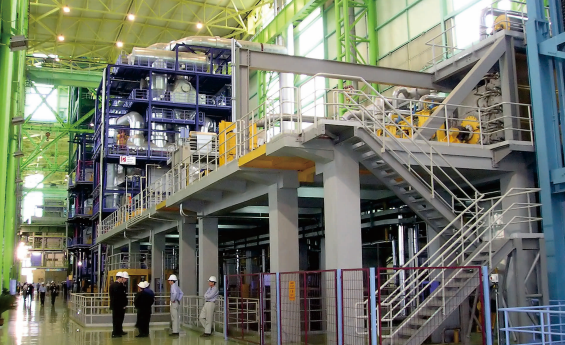
Strip Coating and Plating Production Line Equipment
MCC-SFRE HEAVY INDUSTRY EQUIPMENT CO., LTD.

Industrial and Commercial Point-Type Gas Detector
Jinan Benan Technology Development Co., Ltd.
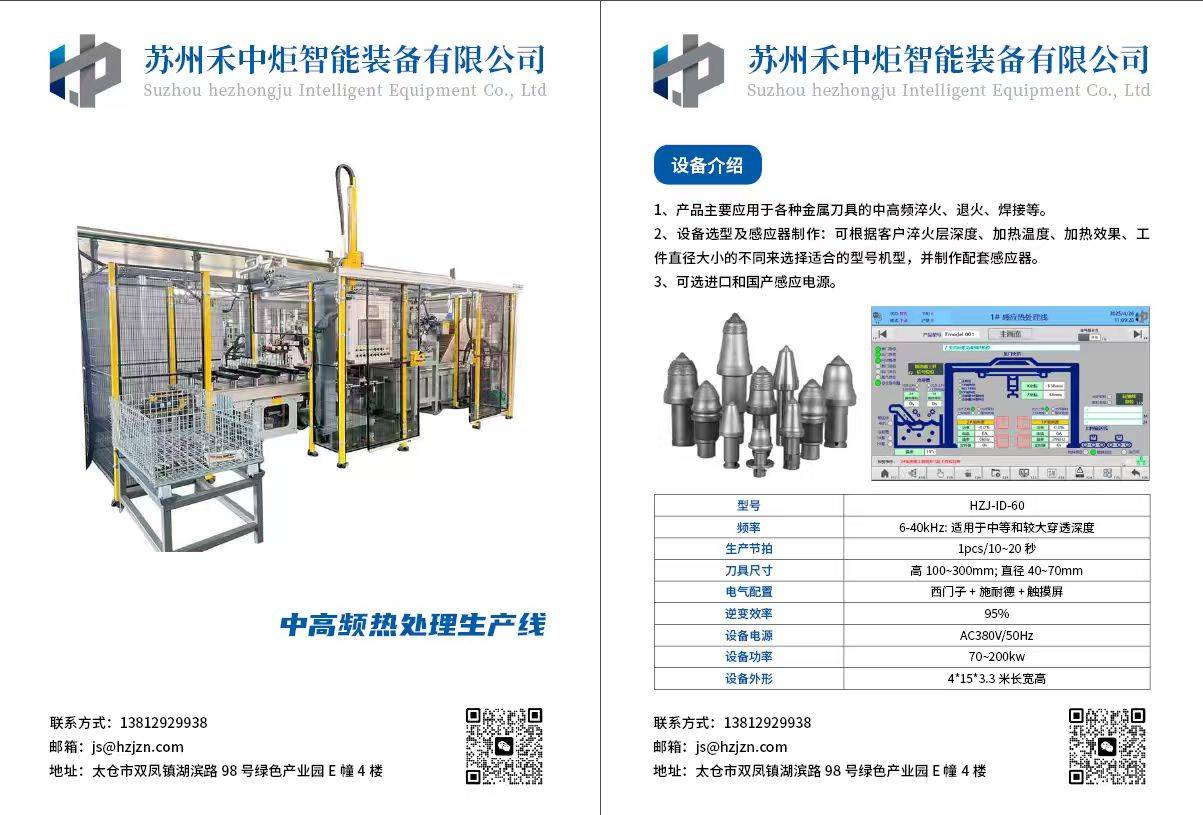
Excavator Bucket Teeth Heat Treatment Production Line
Suzhou Hezhongju Intelligent Equipment Co., Ltd.