US Tesla Launches Mass Production of Electric Heavy-Duty Trucks, Targeting 50,000 Units Annually
en.Wedoany.com Reported - Tesla has officially launched mass production of the Tesla Semi 2.0 electric heavy-duty truck at its Gigafactory in Sparks, Nevada, incorporating multiple innovations in material selection and manufacturing processes. Heavy-duty trucking accounts for 70% of all freight volume in the United States. According to data from the MIT Climate Portal, 65% of global freight emissions come from road vehicles such as trucks, and the industry has been exploring electrification pathways for heavy-duty trucks for years.
Unlike passenger cars, which typically undergo a renewal cycle every seven years, heavy-duty truck models are updated approximately every 10 to 15 years. Truck buyers focus on calculating the total cost of ownership (TCO) over the work cycle, considering factors such as payload weight, driving range, upfront costs, resale value, maintenance, and charging time. The annual production of Class 8 trucks manufactured in North America is about 200,000 units, covering brands such as Freightliner, PACCAR, International, and Volvo-Mack. Due to significantly lower production volumes compared to passenger cars and longer vehicle lifespans, once a material is validated, it tends to maintain a dominant position for decades. These trucks typically use aluminum sheets and extrusions for trailer walls and floor structures, though floors often also use wood or wood-based composites; the tractor unit is primarily made of steel, with individual brands like PACCAR using aluminum cabs and Freightliner using aluminum doors. Fairings are mostly polymer-based with metal reinforcements.
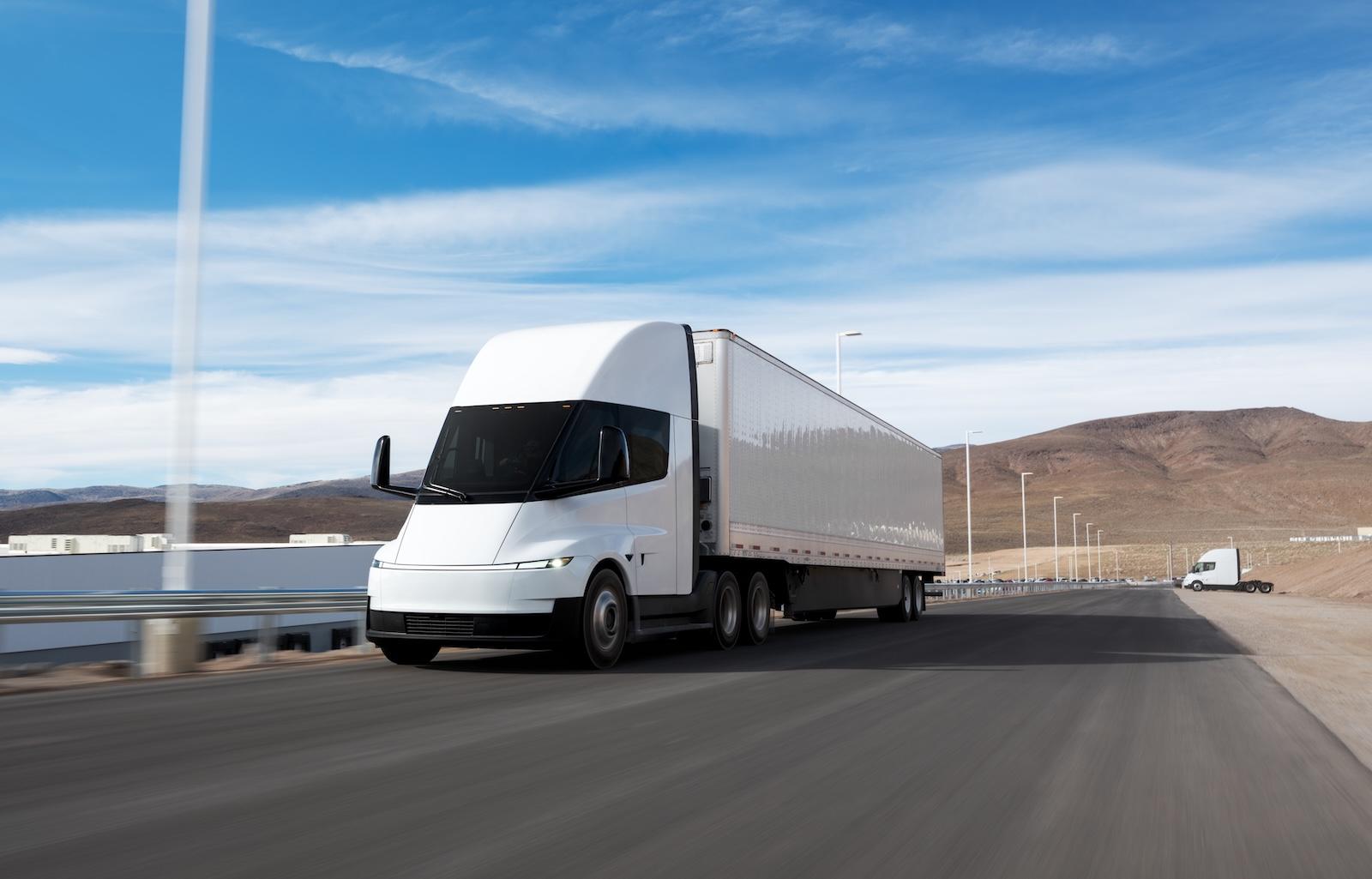
Tesla first introduced the Semi concept in 2017, originally planning production for 2019. After multiple design iterations, a select group of customers (including Pepsi) received early versions for testing in 2022, and finally, in May 2026, formal production of the Tesla Semi 2.0 began at the Sparks factory. The vehicle features a unique aerodynamic design with a drag coefficient of 0.4 (compared to 0.54 for the competing Peterbilt model). The standard range version weighs under 20,000 lbs and has a range of approximately 325 miles; the long-range version weighs 23,000 lbs with a range of about 500 miles, designed for local and regional distribution. Both versions utilize a fast-charging system capable of providing up to 60% range in 30 minutes. The design includes two rear drive axles, which can be disengaged under light loads to reduce friction and increase range. Like diesel trucks, the Semi is designed for a lifespan of 1 million miles.
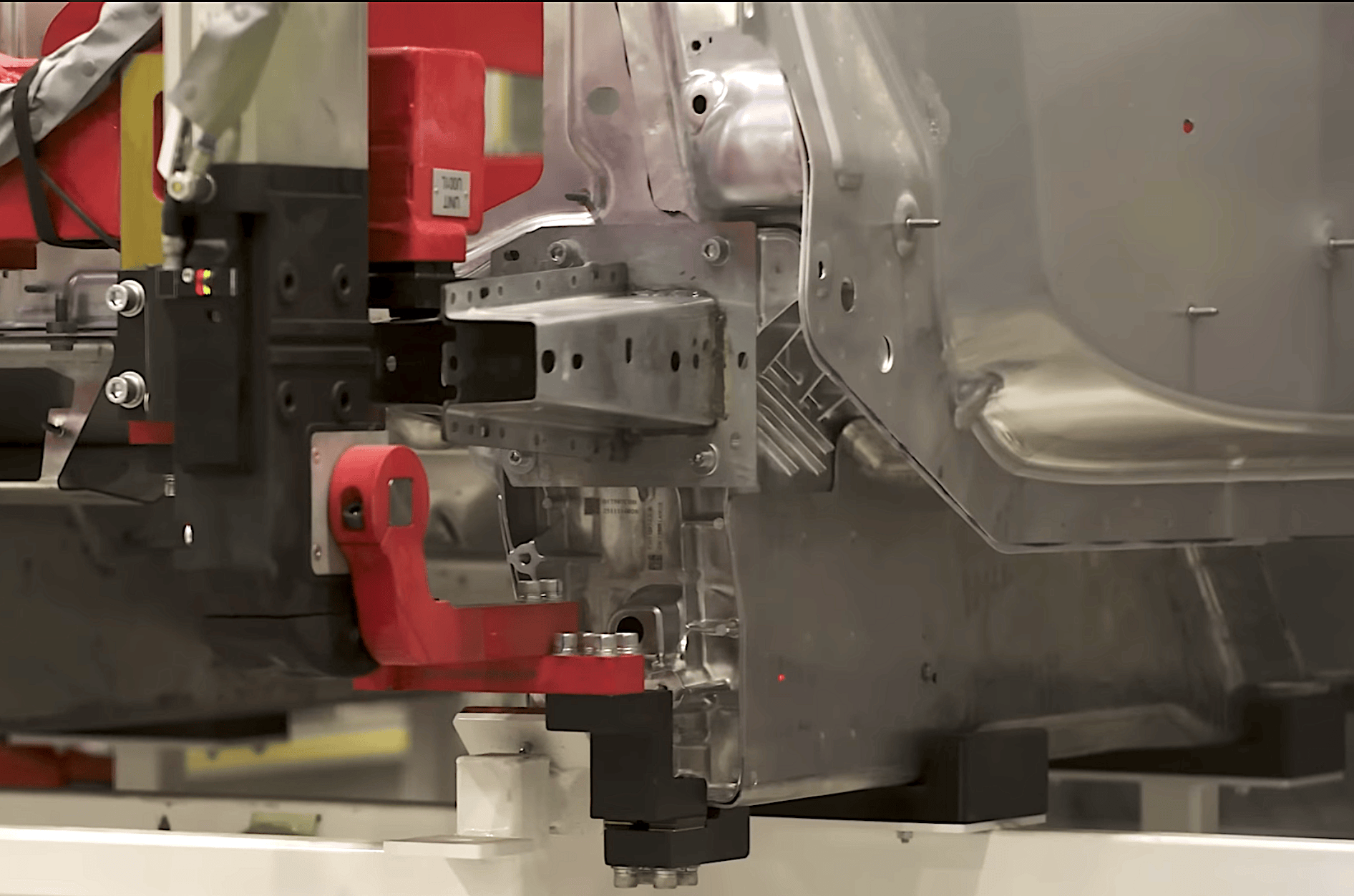
The cab features a central driving seat, complemented by a large windshield and side windows for a wide field of view. Driver feedback indicates that the Tesla Semi and other electric trucks perform well in terms of quietness, power response, and turning radius, and enable one-pedal driving through regenerative braking. A tour video released by Core Memory shows that the Tesla factory includes in-house stamping and injection molding processes, with engineers selecting various lightweight components, including aluminum air tanks, disc brakes (lighter than drum brakes), cast aluminum suspension and air spring brackets, cast aluminum hubs, and forged aluminum wheels.
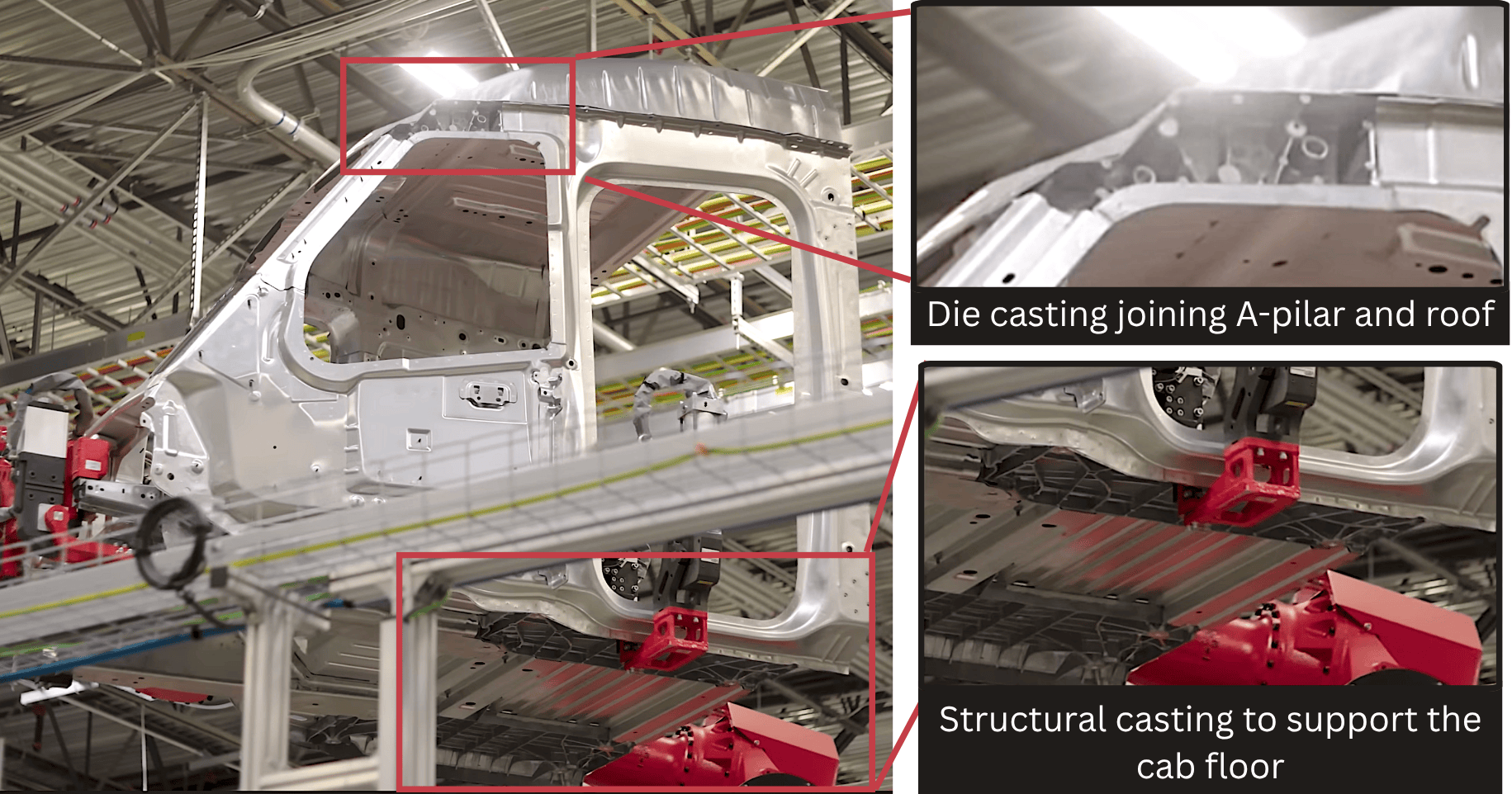
The cab appears to be primarily made of aluminum sheets, with high-pressure die castings (presumably aluminum) used for the floor structure and the top of the A-pillars as cast node connections to the roof structure. Large X-shaped castings support the motors located on the axles, and A-pillar reinforcements along with underfloor castings may be industry firsts in the commercial vehicle market. Extrusions are also used for floor supports, with profiles extending forward to support the front axle and possibly the front bumper. The frame rails from the cab to the rear are made of steel.
Tesla plans to expand the annual production capacity of the Sparks factory to 50,000 units, signaling its intent to become a major player in the electrification of the trucking industry. However, the Tesla Semi 2.0 still needs to prove in real-world operations that it can achieve a lifespan of 1 million miles or more to secure the resale value critical to trucking companies' total cost of ownership calculations. The company is also expanding its charging network across the U.S. to enable more fleets to use the Semi outside areas equipped with megawatt charging systems. Whether this electric model can meet the long-term needs of the industry remains to be validated by the market.
Related Products

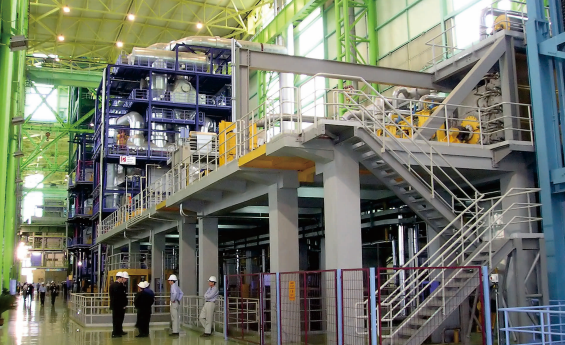
Strip Coating and Plating Production Line Equipment
MCC-SFRE HEAVY INDUSTRY EQUIPMENT CO., LTD.
Standard Nozzle Flowmeter
Jinggong Automatic Control Instrument Complete Technology Development Company

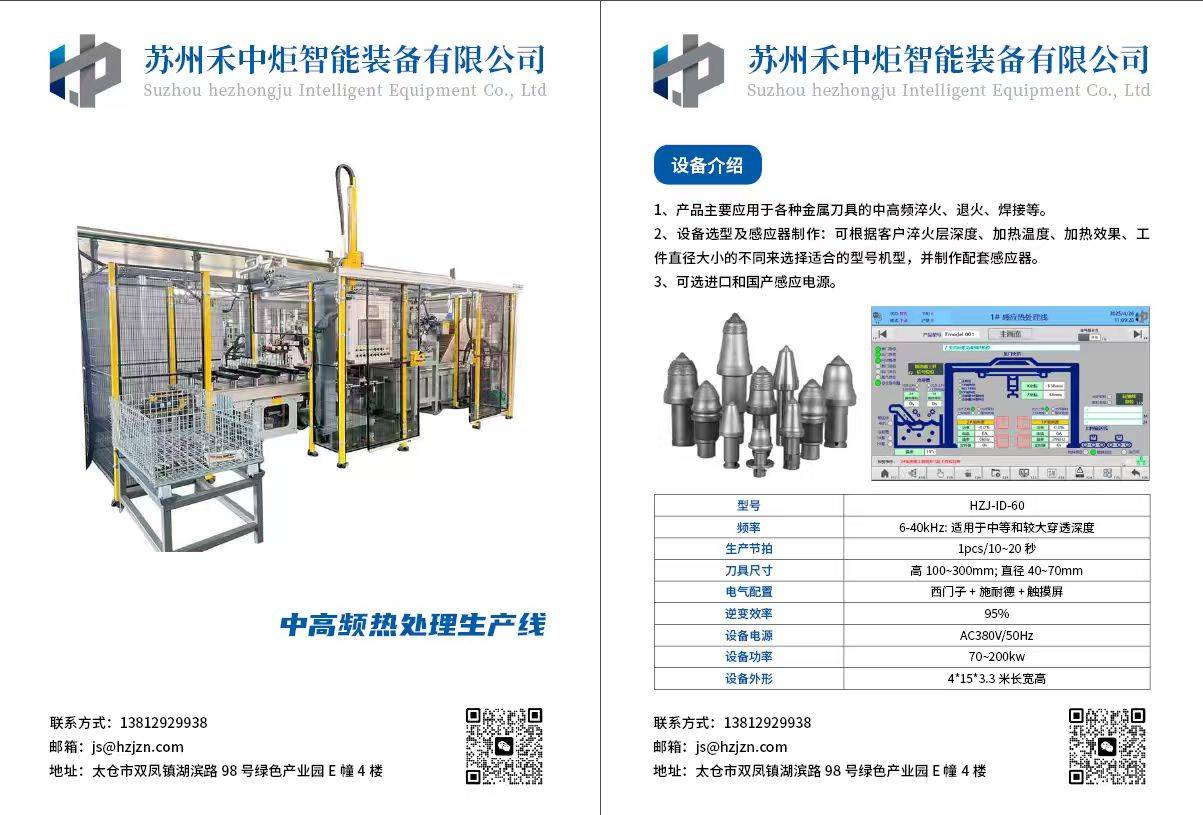
Excavator Bucket Teeth Heat Treatment Production Line
Suzhou Hezhongju Intelligent Equipment Co., Ltd.
LBH4000 Batch Environmental Protection Asphalt Mixing Plant | Asphalt Batching Plant | Asphalt Mixing Plant
Jilin Province Road Construction Machinery Co., Ltd.