Canada's ATHA Energy Launches 20,000-Meter Drilling Program at Angilak Uranium Project
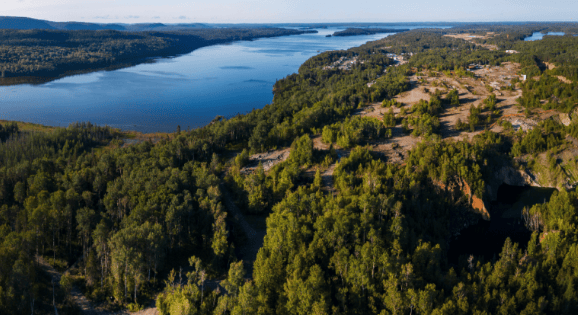
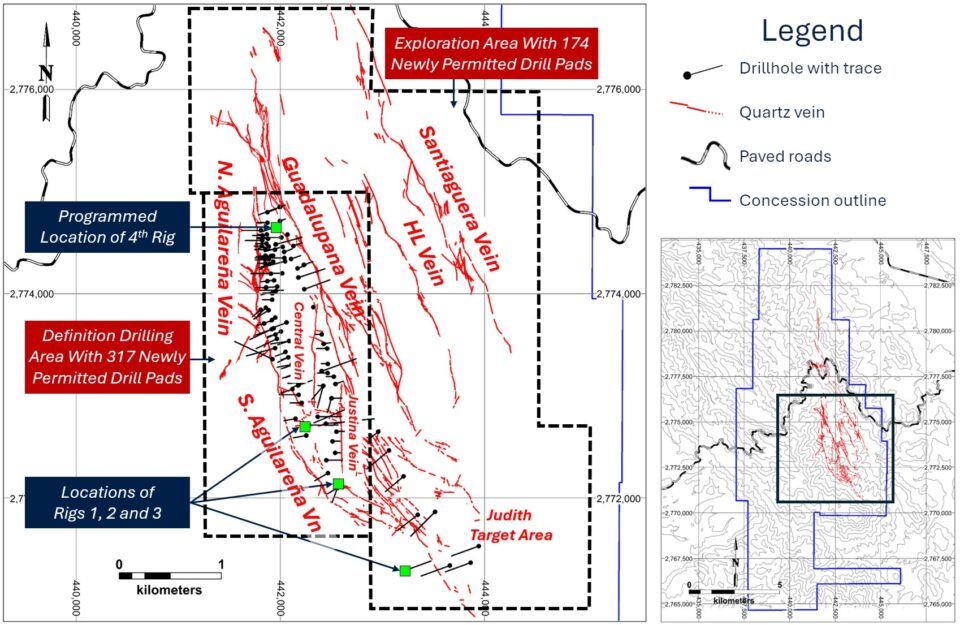
en.Wedoany.com Reported - ATHA Energy Corp. (TSX.V: SASK | FRA: X5U | OTCQB: SASKF) has commenced diamond drilling at its wholly-owned Angilak uranium project in Nunavut, Canada, marking the largest exploration program in the project's history. The program totals approximately 20,000 meters with three drill rigs deployed, but the core question facing ATHA is whether it can convert these expenditures into clear, drillable targets faster and more cost-effectively than traditional step-out programs.
This distinction forms the crux of the company's investment thesis, which remains unproven. CEO Troy Boisjoli made clear that the focus for 2026 is not on drilling meters but on capital prioritization, ensuring every dollar spent reduces risk before the next, more expensive phase begins. Whether this prioritization truly improves success rates depends on this year's drilling results.
ATHA completed approximately C$63 million in financing in the first quarter of 2026 to fund the project. This financing follows two years of prior risk-reduction exploration work before committing larger capital. Boisjoli stated that assets are scarce, market signals are clear, and now is the time to insure oneself through asset growth. The key is not the size of the financing, but that its scale is based on a conversion rate validated by prior exploration, not on unverified ground. This conversion rate was achieved under wide-spaced conditions: confirming the presence of mineralization but not the continuity or grade required for a resource. That is the question the 2026 program aims to answer.
ATHA's exploration approach at Angilak avoids dense deposit-scale drilling, instead using wide-spaced holes to test the extent of the mineralized system before committing to delineation work. In 2025, step-out holes along the Rib corridor were spaced 1.5 to 2 kilometers apart along the structural trend, confirming broad continuity with fewer holes than a conventional program would require. Every hole encountered mineralization, which Boisjoli described as an unprecedented conversion rate from exploration target to discovery. A high conversion rate under wide spacing means less capital is needed to confirm a broad mineralized footprint, leaving more of the budget to identify areas where a future resource might lie.
The same principle applies to the Lac 50 trend. After the Rib results, ATHA re-targeted geophysical surveys and found the structure extends 21 kilometers, far beyond the previously mapped 5 to 7 kilometers. One of the three drill rigs is testing this extension, directing capital toward targets with the highest information value. Whether this extension is mineralized remains to be verified by this year's drilling.
The 2026 program is viewed as a precursor phase rather than an endpoint. This year's wide-spaced drilling aims to confirm continuity in the Rib and Lac 50 systems before the company can commit to more expensive, targeted work in 2027. Boisjoli noted that mineralization continuity is a prerequisite for delineation work, and considering a stepwise approach, the wide-spaced work will begin defining continuity through wide-spaced drilling based on 2025 results, establishing an optimization process for 2027 that gives the company the opportunity to delineate the best areas with the highest continuity within a very large mineralized system. If 2026 drilling confirms meaningful strike-length continuity in the Rib and Lac 50 extensions, ATHA will have identified, at a low per-meter cost, which areas warrant resource definition drilling.
ATHA also holds a carried interest in portions of NexGen Energy's SW1, SW2, and SW3 exploration projects, entitling it to a 10% carried interest through the feasibility stage, convertible to a participating interest or net smelter return (NSR) royalty. No capital expenditure is required, and this option is independent of the Angilak budget, tied to NexGen's success rather than ATHA's own execution.
The 2026 Angilak program is viewed as a test: whether its targeting methodology and staged capital allocation can convert exploration spending into higher-confidence ground before 2027 delineation work. The financing, drill rig allocation, and sequencing are all built around this objective, but remain unproven until this year's results are in. The 2026 results will be the clearest signal of whether ATHA's efficiency thesis holds.
Related Products
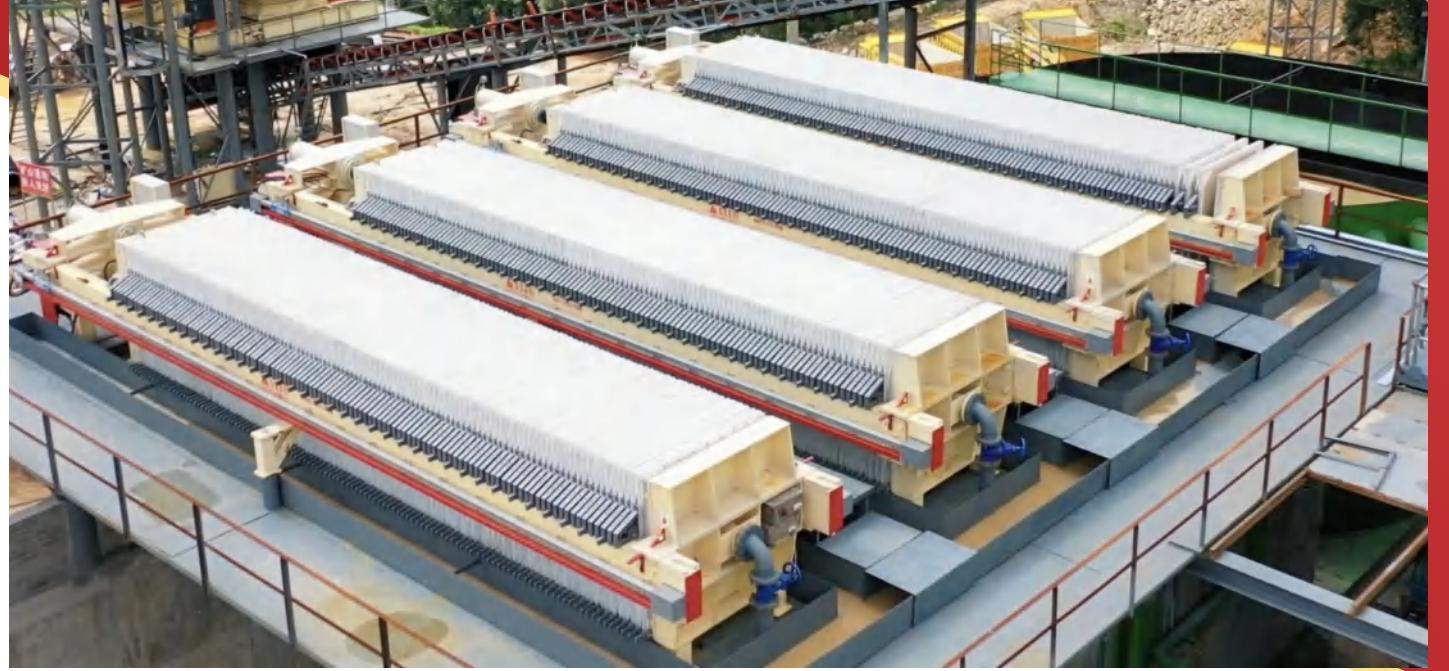

Hydraulic Plate and Frame Filter Press
Guangdong Leimeng Intelligent Equipment Group Co., Ltd.

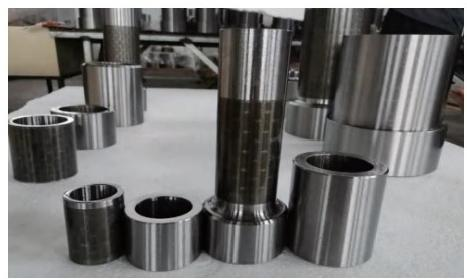
High-temperature Equal Wall Thickness High-power Screw Drilling Tool
Orient Energy & Technologies Co., Ltd.
CITIC Heavy Industries Metallurgical Equipment Steel Smelting Engineering Equipment
CITIC Heavy Industries Co., Ltd.
Integrated Excavation and Anchoring Machine (EJM Series)
China Railway Construction Heavy Industry Corporation Limited
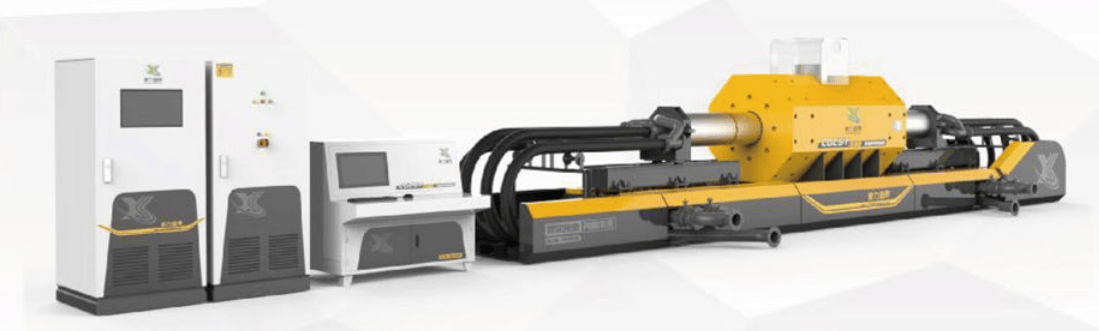
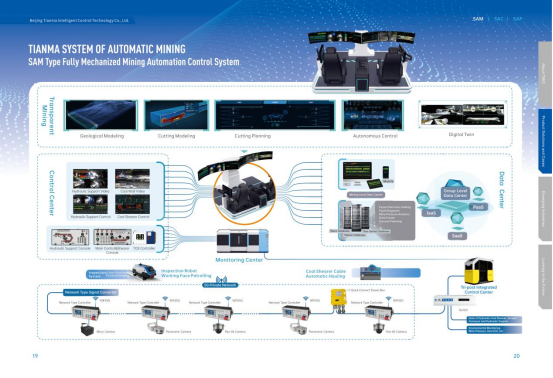
Comprehensive Mining Automation Control System
Beijing Tianma Intelligent Control Technology Co., Ltd.