RMIT Study: 84% of Buildings in European Cities Lack Sufficient Tree Canopy Coverage
en.Wedoany.com Reported - An open data analysis released on June 30, 2026, by the Centre for Urban Research at RMIT University in Australia reveals that, after systematically assessing 5.5 million buildings across 25 European cities, 84% of them have tree canopy coverage around them below the threshold required for urban cooling. The study, led by urban greening expert Dr. Thami Croeser, covers major cities in France, Spain, Italy, Germany, Portugal, Greece, and the United Kingdom.
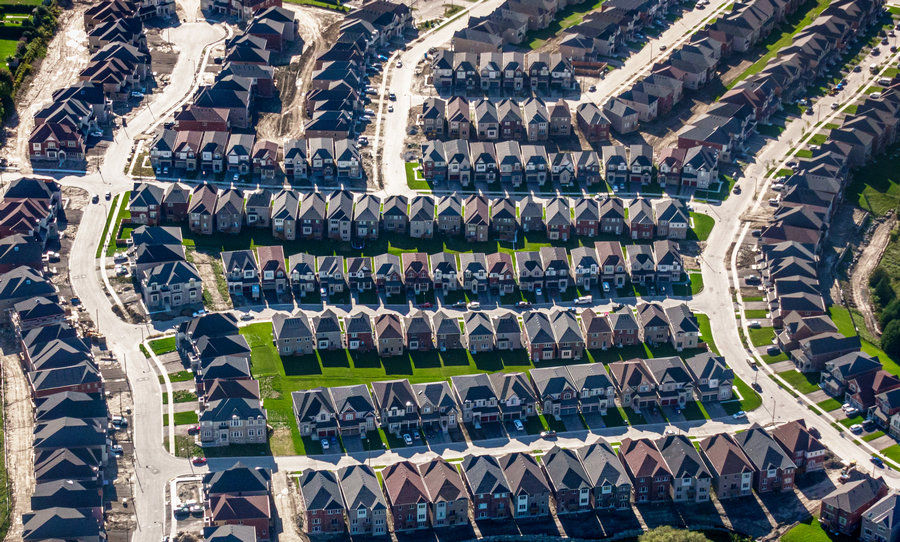
The study notes that when tree canopy coverage falls below 30%, its effectiveness in mitigating the urban heat island effect is extremely limited. Dr. Croeser stated that heatwaves in Europe are exposing structural flaws in urban design: "When extreme heat arrives, a tree-lined park three blocks away is too far to provide cooling for an apartment building surrounded by scorching asphalt roads."
Significant differences exist between cities. Cologne and Hamburg in Germany perform best, with about 45% of buildings meeting the 30% canopy coverage threshold; in Nice, France, this figure is approximately 41%, thanks to hillside vegetation. However, the situation in most cities is far less optimistic: in Seville, Spain, 98% of buildings fall below the threshold—a city that regularly faces extreme summer heat; in Paris, France, 96% of buildings are below the threshold, with an average surrounding canopy coverage of just 12%; in London, UK, 93% of buildings (about 1.5 million) are below the threshold; in Rome, Italy, 85% of buildings are below the threshold. In most cities, over half of the buildings have less than 10% canopy coverage around them.
The study also found that in cities where income or poverty data were available, low-income communities suffer from a more severe systemic lack of shade and have higher surface temperatures. Dr. Croeser noted: "Heatwaves do not affect all communities equally. Low-income communities tend to have more paved surfaces, less shade, and higher temperatures. This means that those with the least capacity to adapt bear the heaviest heat burden."
The study also challenges the conventional wisdom that "denser urban areas are inevitably hotter." In comparisons of communities with similar residential density, areas with ample tree canopy can be 4 to 10 degrees Celsius cooler than comparable urban zones—the temperature difference in Paris reaches 10.5 degrees Celsius, and in Birmingham, 6.6 degrees Celsius. Dr. Croeser emphasized: "Density itself is not the problem. We found dense urban areas with apartments, shops, offices, and activity centers that remain cool because they have plenty of shade. The key is whether trees are protected, planted, and given enough space and water to grow."
Dr. Croeser recommends that urban policymakers focus on three priorities: planting trees near where people live and work, providing trees with sufficient soil and water to promote growth, and protecting existing mature canopies. "The trees cooling our cities today were planted decades ago," he said. "A newly planted tree cannot shade a building for 15 to 20 years. Every mature tree lost now is irreplaceable on the timeline of addressing current climate challenges."
Related Products
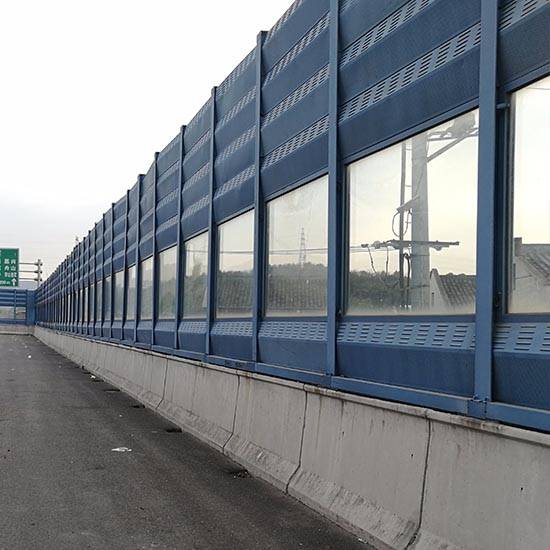

Metal sound barriers that can reduce the transmission of road noise
Hebei Jinbiao Construction Materials Tech Corp., Ltd.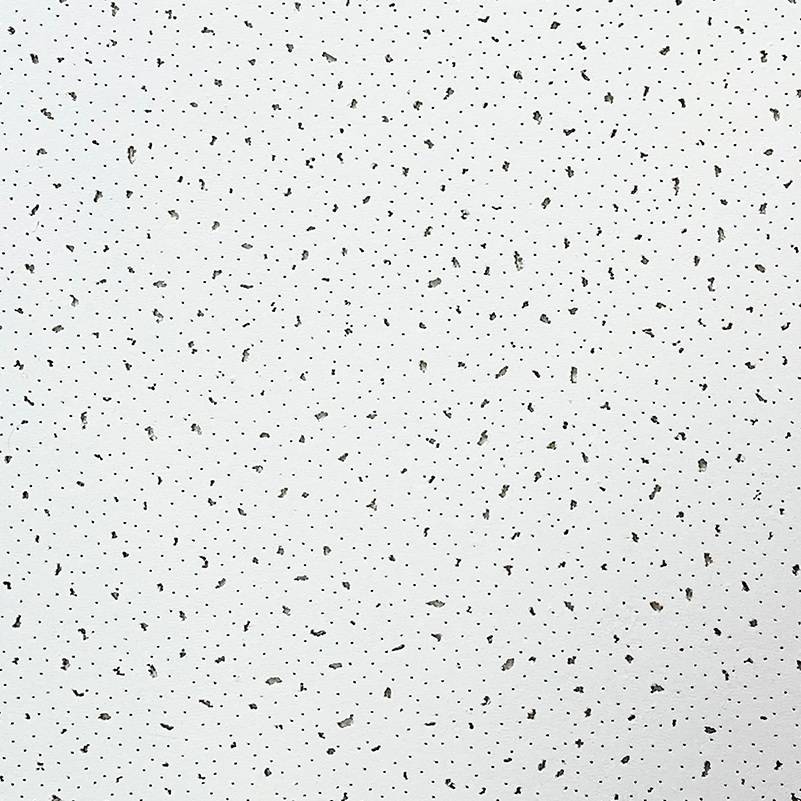
Acoustic Mineral Fiber Ceiling Tile 595x595x12mm
Shanxi Pano Trading Co., Ltd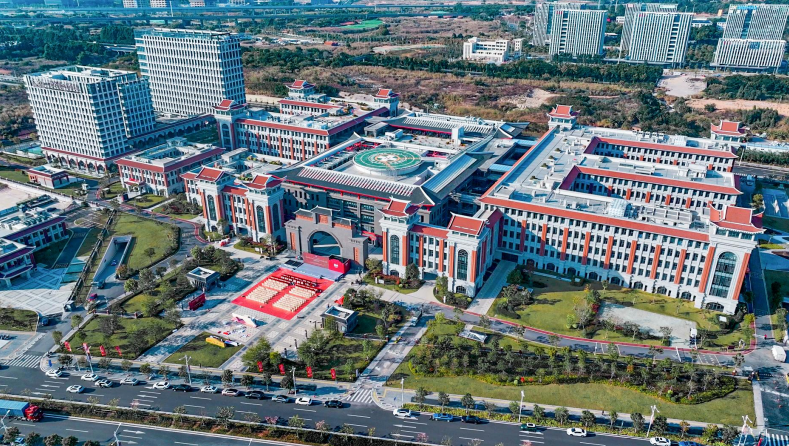
West China Xiamen Hospital of Sichuan University
Wuhan Huakang Century Clean Technology Co., Ltd.
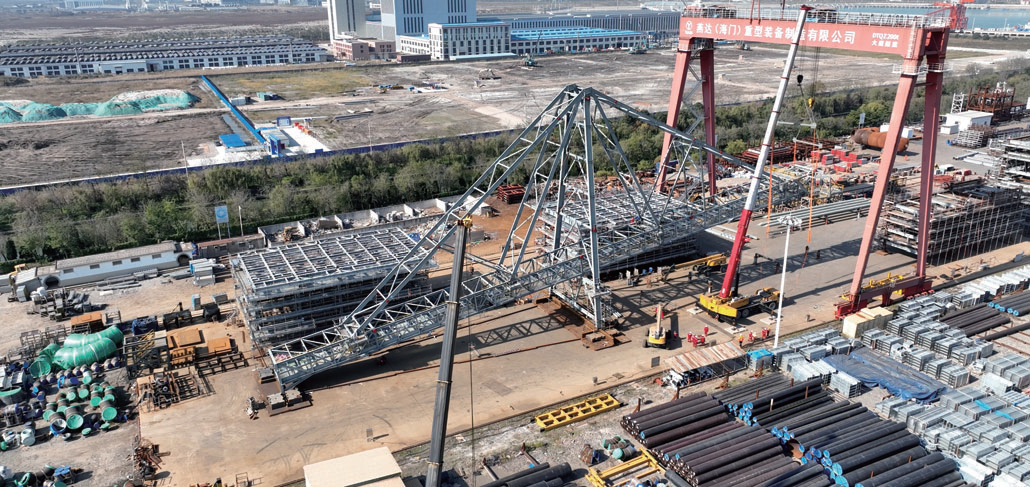
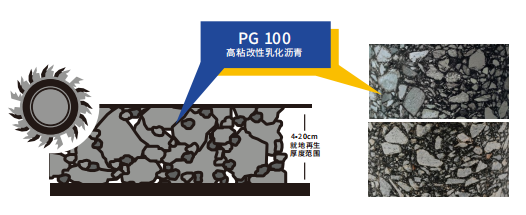
High-toughness in-Situ Cold Recycling Technology for Original Structural Layers
Central Fortune Creation Technology Group Co., Ltd.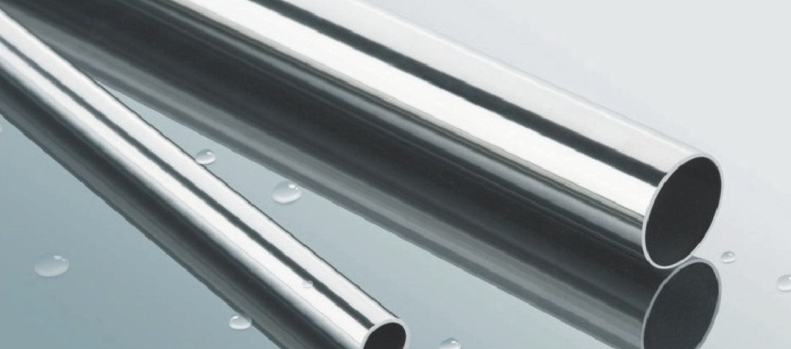
ERW Welded Pipe (Black Pipe and Hot-dip Galvanized Steel Pipe)
Handan Zhengda Steel Pipe Co., Ltd.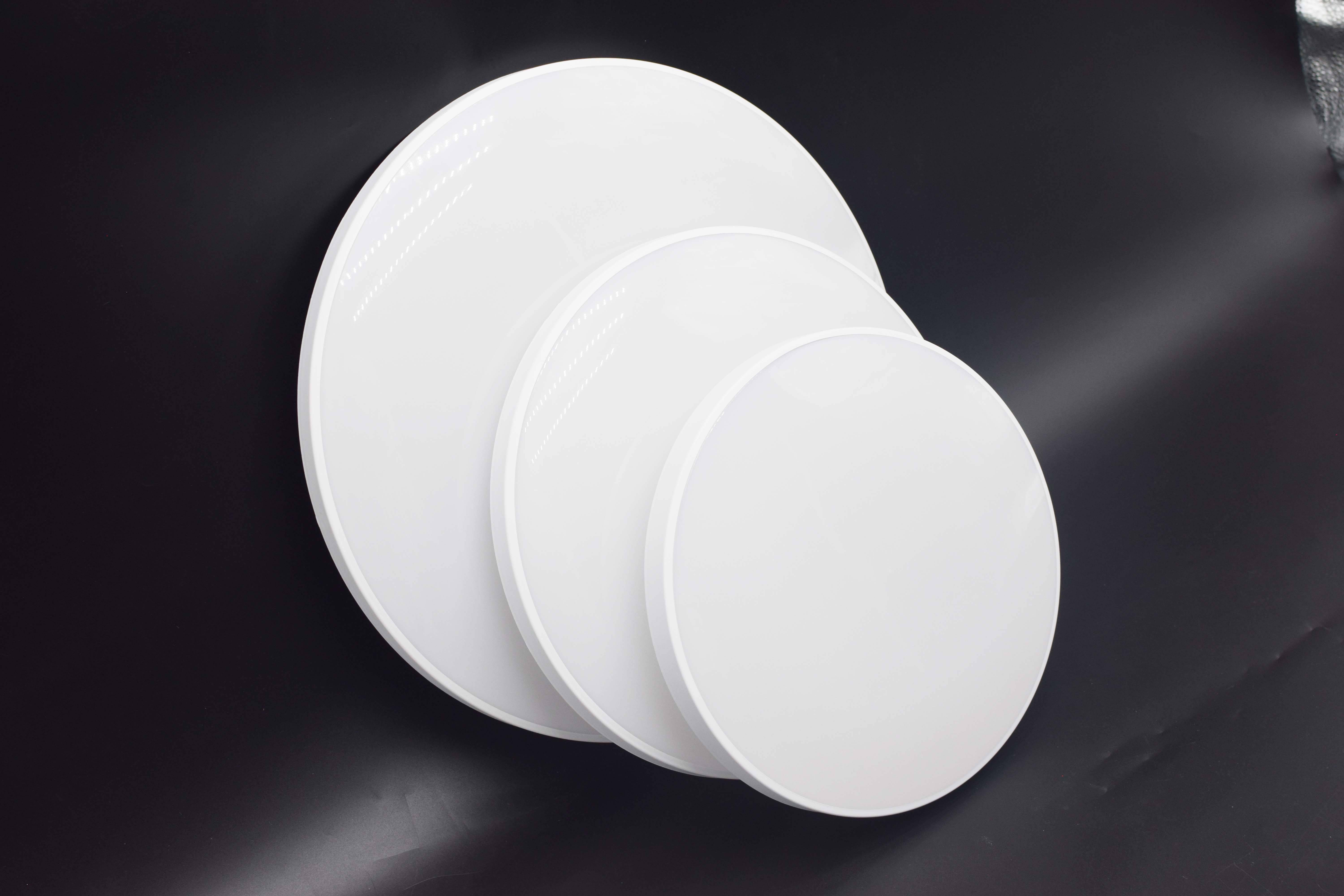
Ceiling light | led Ceiling Light | LED Indoor light | LED Ceiling lighting
Queendom Group Technology Co., Ltd.
RISITA explosion-proof air conditioning
Guangdong RISITA Air Conditioning Equipment Co.,Ltd.
145kV Porcelain Column Type Sulfur Hexafluoride Circuit Breaker
TBEA ZONFA Shanghai High Voltage Switchgear Co., Ltd.