en.Wedoany.com Reported - At the American Public Transportation Association (APTA) Rail Conference, industry leaders noted that discussions on rising railway construction costs should extend beyond inflation, labor shortages, and material price increases, with project development, procurement, and management approaches emerging as more critical cost drivers.
Many costs are incurred before construction or the start of first vehicle production begins. Agencies, manufacturers, and consultants indicated that high uncertainty in utility relocation, project scope changes, procurement requirements, and stakeholder coordination ultimately gets factored into project pricing.
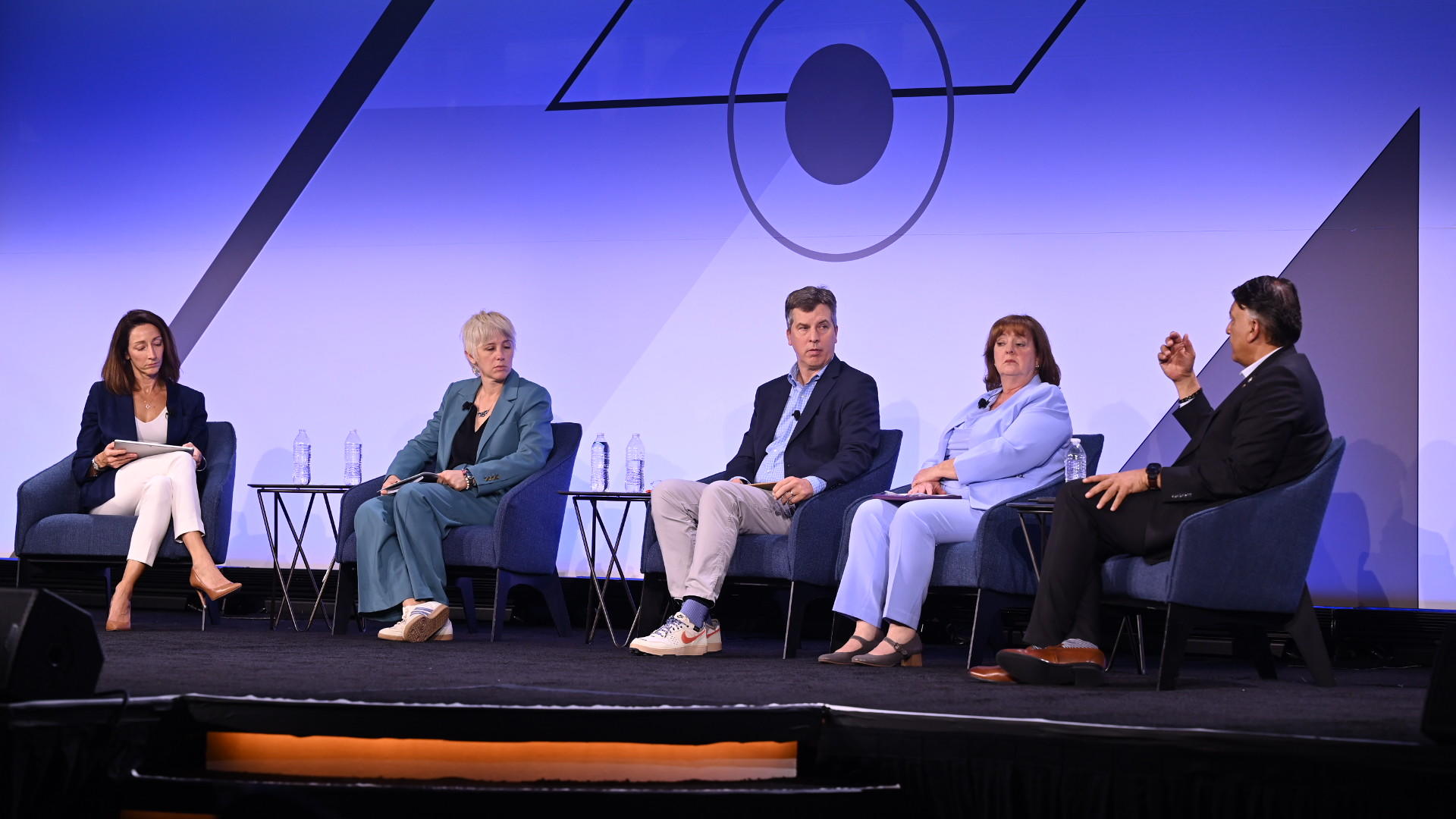
Risk allocation became a focal point of consensus at the conference. Ian Choudri, CEO of the California High-Speed Rail Authority, questioned the long-standing practice of transferring major project risks to contractors. Using utility relocation and third-party coordination as examples, he noted that risks public agencies attempt to transfer ultimately fall back on them, while unrealistic risk transfer only prompts contractors to incorporate uncertainty into bid prices. The authority has restructured its procurement approach, directly managing procurement of commodities such as rail, steel, and utility and land acquisition, while contractors focus on construction.
The importance of early site and utility work was repeatedly emphasized. Holly Arnold, Administrator of the Maryland Transit Administration, described how over 500 utility conflicts and changing site conditions in the Purple Line project became primary drivers of cost increases. The agency is considering pre-packaging utility work for future projects. Greg Canally, CEO of the Austin Transit Partnership, explained that Austin spends years engaging with contractors before procurement, releasing draft contracts early and encouraging industry feedback to identify potential issues before commercial terms are finalized.
Panel discussions emphasized a shift toward models that integrate owners, designers, and contractors earlier, such as Progressive Design-Build. Canally believes this approach creates contractual flexibility. Carolyn Gonot, CEO and General Manager of the Santa Clara Valley Transportation Authority, explained that ongoing market volatility makes it difficult for contractors to commit to fixed prices early. The agency has adopted Progressive Design-Build, evolving project elements into a target price plus fixed fee structure to enhance cost transparency.
Similar dynamics exist in rail vehicle procurement. Erin Buch, Senior Contract Analyst at Sound Transit, restructured the procurement process around issues such as lifecycle costs, technology obsolescence management, innovation incentives, and market capability matching, rather than predetermined solutions. The agency issued multiple requests for information, held industry days, and published draft procurement documents, inviting manufacturers to review pricing and technical requirements before bidding. Kyle Stockley, Maintenance General Manager at the Utah Transit Authority, emphasized inviting manufacturers to workshops before procurement to share system information and discuss emerging technologies to determine long-term value.
From the manufacturer perspective, Robin Stimson, Vice President of Business Development at Siemens Mobility, pointed out that the greatest uncertainty stems from the procurement process itself, with assessing the time needed to collaborate with agencies on specifications, approvals, design reviews, and commissioning proving more difficult than evaluating vehicle engineering content. Jitendra Tomar of CAF USA noted that increasingly detailed reliability requirements, extensive documentation demands, and prescriptive specifications are cost drivers, with performance-based specifications being more effective. Pallavi Lal, Global Director of Vehicles and Operations at Hatch, described the consultant role as a translator between agencies and manufacturers, helping develop realistic cost estimates.
The conference underscored that uncertainty pervades the entire project lifecycle: utilities, project scope, improper risk allocation, customization, and lengthy procurement timelines all directly translate into costs. Attendees agreed that earlier identification of unknowns, more realistic allocation of responsibilities, and maintaining collaboration throughout the procurement process can prevent unnecessary cost escalation.