China's Guilin University of Technology Discovers 1,550-Meter Industrial Uranium Mineralization in Deep South China Hydrothermal Uranium Deposits
en.Wedoany.com Reported - The Geo-electrochemical Exploration Technology Team of Guilin University of Technology has achieved a breakthrough in deep prospecting for hydrothermal uranium deposits in South China, discovering industrial uranium mineralization at depths of 950 meters and 1,550 meters, with the latter being the deepest industrial uranium mineralization discovered in China to date.
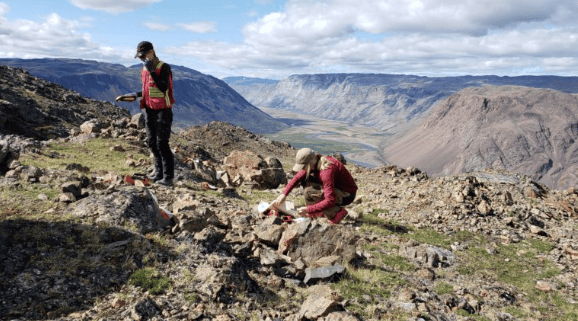
Relying on platforms such as the Provincial-Ministerial Co-constructed Collaborative Innovation Center for Nonferrous Metal Mineral Exploration and Efficient Resource Utilization, the Engineering Research Center of the Ministry of Education for Exploration of Hidden Nonferrous and Precious Metal Deposits, and the Guangxi Key Laboratory of Hidden Metal Mineral Exploration, the team participated in the key project "Demonstration of Deep Exploration Technology for South China Hydrothermal Uranium Deposit Bases" under the National Key Research and Development Program of China's "Deep Earth Resource Exploration and Mining" key special project. Collaborating with the Beijing Research Institute of Uranium Geology, East China University of Technology, and other institutions, the team conducted technical applications in three demonstration areas: Xiangshan in Jiangxi, Lujing in Guangdong, and Changjiang, carrying out systematic research on the exploration of concealed hydrothermal uranium deposits in South China.
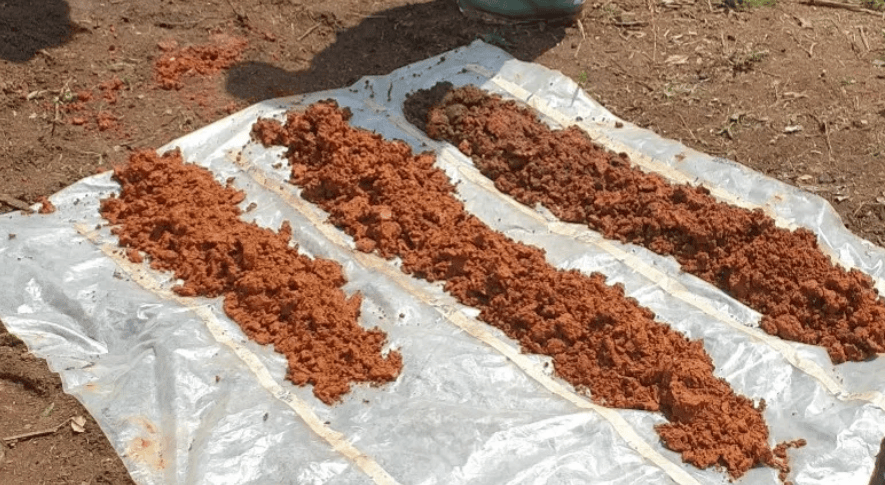
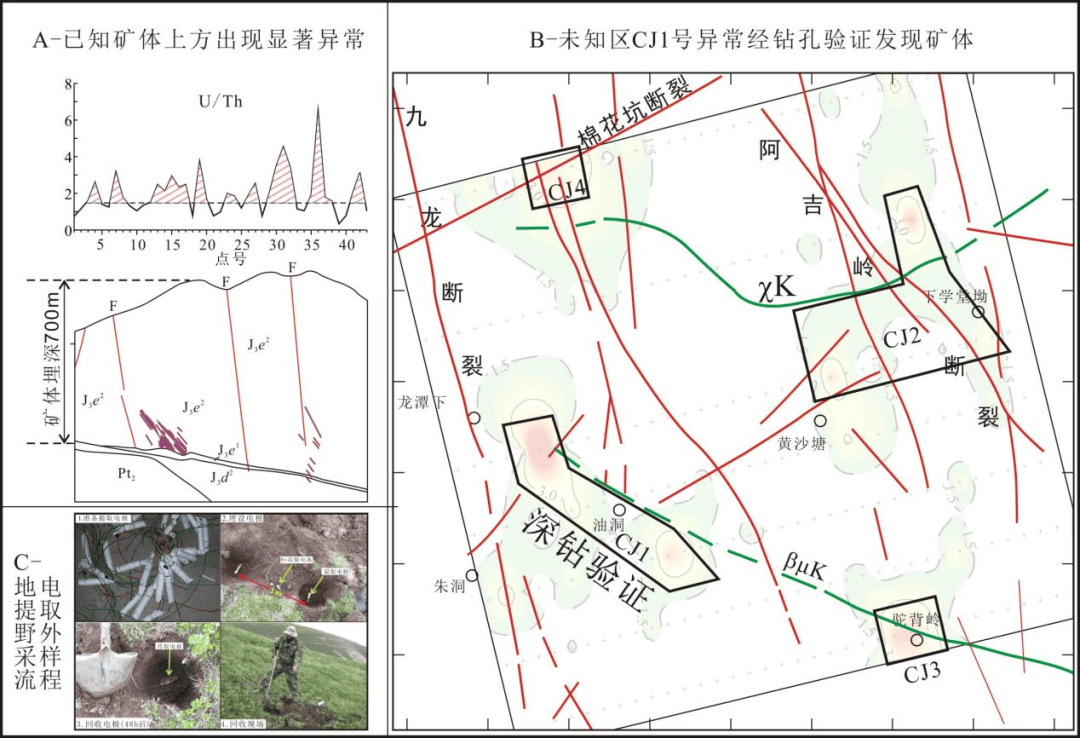
Feasibility tests of the geo-electrochemical method on known profiles confirmed that the method can indicate the presence of known ore bodies buried at a depth of 700 meters, and that the ionic and carbonate-bound occurrence characteristics of the U element in soil can indicate the location of concealed ore bodies. The team also completed the comparison and optimization of different field operating parameters for geo-electrochemical extraction in uranium mining areas. Through the analysis of geo-electrochemical measurements and anomaly characteristics in three different types of uranium mining areas—volcanic rock type, magmatic rock type, and carbonaceous-siliceous-argillaceous rock type—effective indicators such as U, U/Th, and the F1 factor (represented by U, Co, Pb, As) were established. Research shows that geo-electrochemical anomalies of uranium deposits are mainly controlled by regional faults, superimposed with other ore-controlling factors such as secondary faults and alkaline dikes. This understanding achieved a leap from traditional "single-element anomaly discrimination" to "comprehensive multi-element anomaly evaluation coupled with ore-controlling factors," establishing a spatial response model between deep uranium ore bodies and shallow geo-electrochemical anomalies, thereby improving the accuracy of exploration in the second prospecting space (500 to 1,000 meters) for uranium deposits.
The study delineated several prospecting target areas, among which the CJ1 prospecting target area achieved a breakthrough through drilling verification: thick industrial uranium mineralization was discovered at a depth of 950 meters, and at a depth of 1,550 meters, the deepest industrial uranium mineralization in China to date was discovered.
Related Products


Industrial and Commercial Point-Type Gas Detector
Jinan Benan Technology Development Co., Ltd.

Comprehensive Mining Automation Control System
Beijing Tianma Intelligent Control Technology Co., Ltd.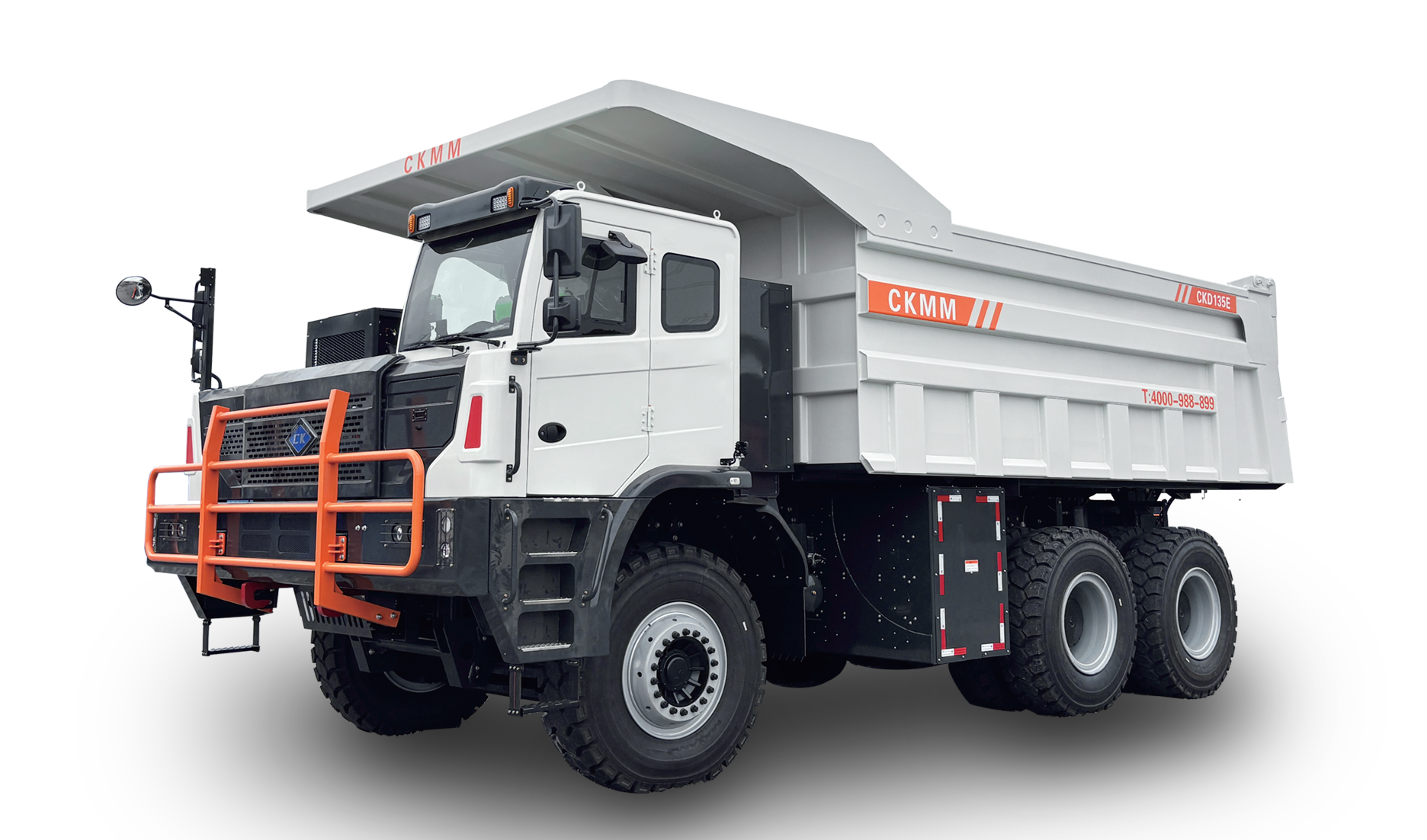
CKD135E Pure Electric Wide-body Dump Truck
Jiangsu Changkuang Engineering Machinery Co. Ltd.
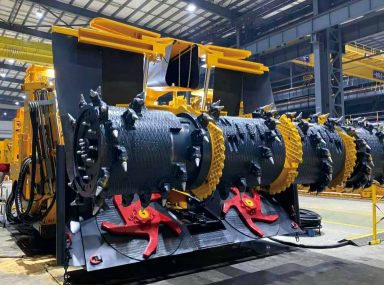
Integrated Excavation and Anchoring Machine (EJM Series)
China Railway Construction Heavy Industry Corporation Limited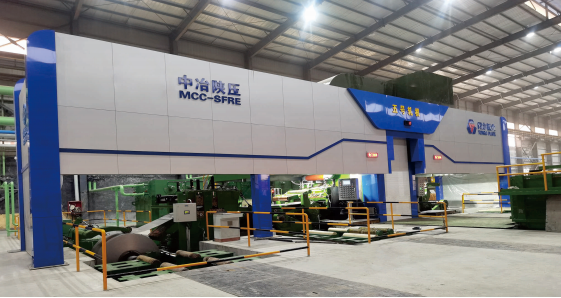
1050-1750mm Steel Strip Single-stand Reversible Cold Rolling Production Line
MCC-SFRE HEAVY INDUSTRY EQUIPMENT CO., LTD.