en.Wedoany.com Reported - Sibanye-Stillwater's South African Platinum Group Metals (PGM) business is advancing a secondary mining operation with lower risk, focused on recovering value from chrome-bearing PGM surface waste. The project's core involves extracting PGMs and chrome from large, accessible surface UG2 (Upper Group 2) tailings resources.
UG2 tailings reprocessing, fine chrome recovery, and processing capabilities are forming a new value stream. As the first component of the surface processing strategy, Phase 1 of the WLTR recovery plant upgrade has been approved, with construction scheduled to commence in the second half of this year and commissioning expected by the end of 2027. Sibanye-Stillwater Executive Vice President (Processing) Lucas Msimanga disclosed at Capital Day, as reported by Mining Weekly, that the project's capital expenditure is estimated at ZAR 900 million, with a payback period of two years, an economic life of six years for Phase 1, a net present value of ZAR 1 billion, and an internal rate of return of 43%. Msimanga described the operating costs as "very competitive."
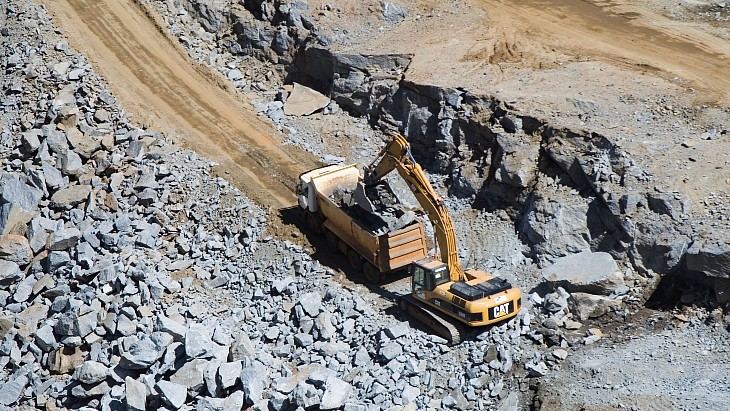
The project's feedstock comes from historical UG2 tailings storage facilities (TSF) located in the Rustenburg and Marikana areas. The primary value driver is chrome, accompanied by significant PGM recovery potential. Existing PGM concentrator capacity provides conditions for recovering PGMs in an integrated and efficient manner. By employing magnetic separation technology, these surface resources also offer significant chrome recovery opportunities. Currently, 1 million tonnes of historical UG2 tailings are available for extraction, and Sibanye-Stillwater, across its 70-kilometer PGM operating area, possesses extensive processing and tailings infrastructure to handle current and future mining output.
The company, listed on the Johannesburg Stock Exchange and the New York Stock Exchange, has a processing network covering the Marikana and Rustenburg areas, equipped with concentrators for treating underground mining feed. Total existing concentrate capacity amounts to 1,605,000 tonnes per month, sufficient to meet current and future project needs. All capacity is connected to long-term tailings storage facilities, with the life of Rustenburg's Paardekraal TSF and Marikana Pits TSF extended to 2060, and Hoedspruit TSF to 2044. Msimanga noted that the company has the capability to dispose of tailings in a safe and environmentally friendly manner and continuously improves recovery rates through internal and external benchmarking. In terms of recovery performance, WTD5, Hoedspruit, and Marikana Pits TSF achieved an outstanding recovery rate of 36%, while other TSFs had recovery rates between 11% and 17%. Msimanga stated that the goal is to bring recovery rates as close to 36% as possible, which requires optimizing tailings facility operations and deploying appropriate technologies.
Additionally, Sibanye-Stillwater's seven relatively shallow, primarily adjacent mining projects also mainly exploit the UG2 reef, and the company ensures operational reliability through continuous investment in concentrators. Targeted sustaining capital expenditure maintains high equipment availability and recovery performance, structurally supporting lower unit costs. The result is a flexible processing platform that meets current operational needs while laying a solid foundation for future brownfield projects. Since 2022, cyclical capital investment in processing assets has kept equipment availability consistently above 92%.
The introduced fine chrome magnetic separation technology is achieving better recovery rates. Msimanga reported that due to the simultaneous extraction of chrome, tailings volumes will be reduced, with this impact reaching approximately 30% from a remediation perspective, thereby improving the overall economics of the operation. The company has developed digital footprint twin technology to optimize tailings deposition planning and long-term capacity. Msimanga described the Marikana Pits TSF as a cornerstone of the surface strategy, as it maximizes residue deposition capacity for the WLTR and Kroondal surface concentrators while supporting future underground operations. These existing pits can be built faster and at lower capital costs.
Msimanga concluded that the company has the resources, resolved technical issues, and tailings disposal solutions in place, and the WLTR recovery project is now creating value. As feedstock shifts from Merensky-enriched tailings to UG2 tailings, the revenue structure is fundamentally changing, with chrome and PGMs becoming core value drivers. With the product portfolio shifting towards UG2, surface margins are expected to improve, and chrome production provides an additional value stream during PGM price cycles.