en.Wedoany.com Reported - The Glasgow Chamber of Commerce has called on Transport Scotland to publish the complete technical model of the M8 Woodside Viaduct before making a final decision, and to test all three options of repair, replacement, or demolition.
Built in 1971, these viaducts are located between Craig Hall and Charing Cross, carrying approximately 150,000 vehicles daily. Since March 2021, the bridge section has been operating with temporary supports, with temporary repair costs exceeding £150 million. Transport Scotland previously conducted a public consultation on the three options of repair, replacement, or demolition.
After reviewing the published evidence, the Glasgow Chamber of Commerce board identified "significant gaps." The Chamber noted that, according to environmental information released by the Scottish Government on April 30, the transport model behind the consultation only tested the demolition option as an immediate closure, without assuming any compensatory public transport or local network upgrades. The information also confirmed that the technical report for the relevant model has not yet been completed.
The M8/M74 corridor connects Glasgow's manufacturing base, over 3,000 businesses, and 55,000 jobs, and provides access to Glasgow Airport, Greenock Ocean Terminal, and the Glasgow-Edinburgh corridor. The Chamber explained that approximately 148 million tonnes of goods are transported by road in Scotland each year, with the majority passing through this corridor.
The Chamber board unanimously raised ten questions that must be answered before a final position is taken, including the M74's capacity to absorb diverted traffic, the impact on the adjacent Kingston Bridge, and long-term planning for the entire M8 corridor.
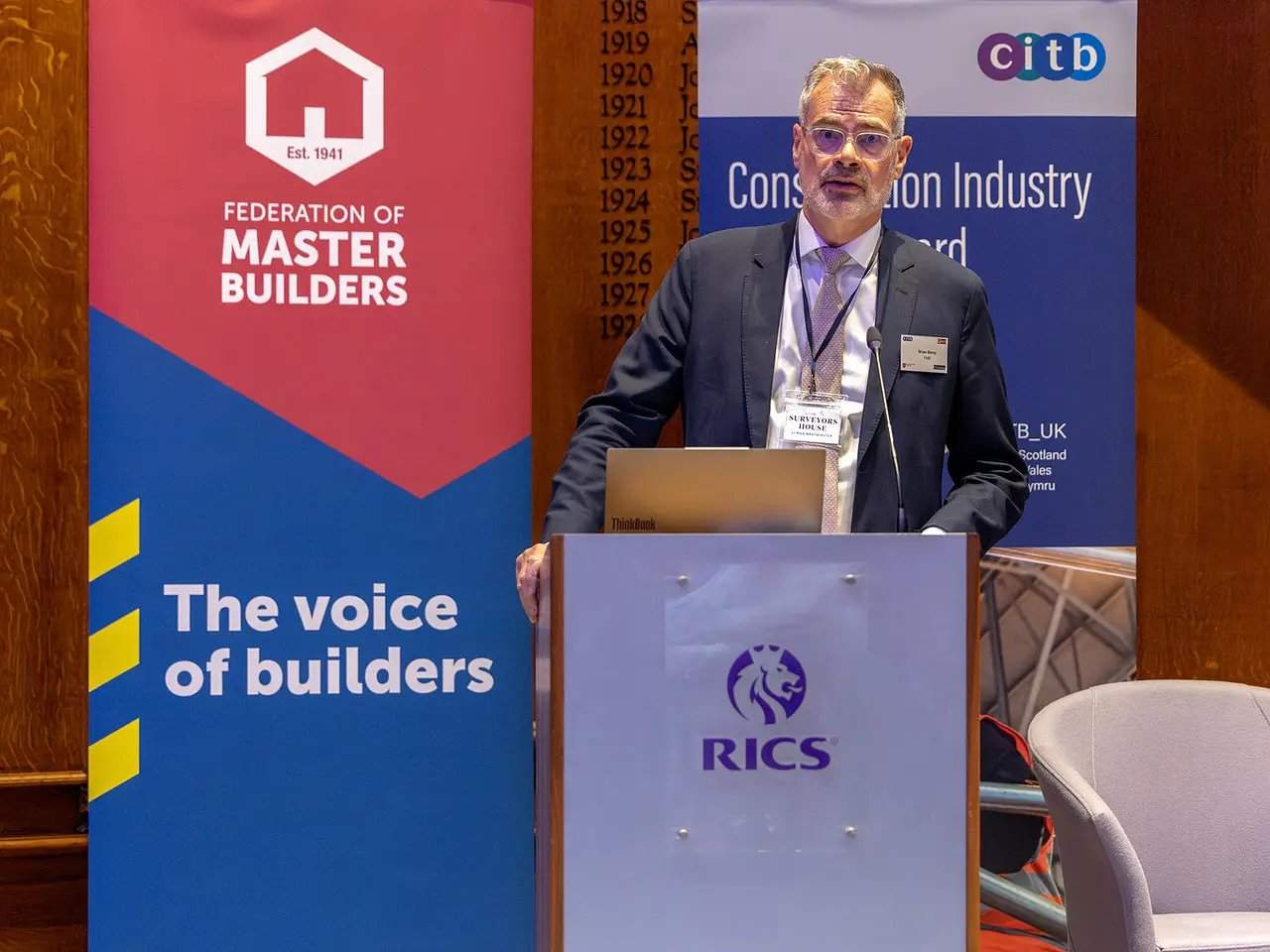
Stuart Patrick, Chief Executive of the Glasgow Chamber of Commerce, stated that this is one of the most significant infrastructure decisions Glasgow has faced in a generation and should not be made based on incomplete evidence. He noted that the model behind the consultation did not even test a combination of "demolition plus alternative investment."
Patrick emphasized that before cutting one of Glasgow's main arteries, technical work must be completed, all three options must be properly modeled, and the industrial case should be given equal weight to the reconstruction case. If done right, Glasgow benefits; but if done wrong, it will be difficult to reverse.
The Glasgow Chamber of Commerce has not yet supported any option, and its priority is to require Transport Scotland to complete and publish the pending analysis results before advancing a decision.