en.Wedoany.com Reported - Researchers at the U.S. Department of Energy's Oak Ridge National Laboratory (ORNL) have introduced a computational method that can estimate battery degradation in just days, replacing traditional testing processes that take months.
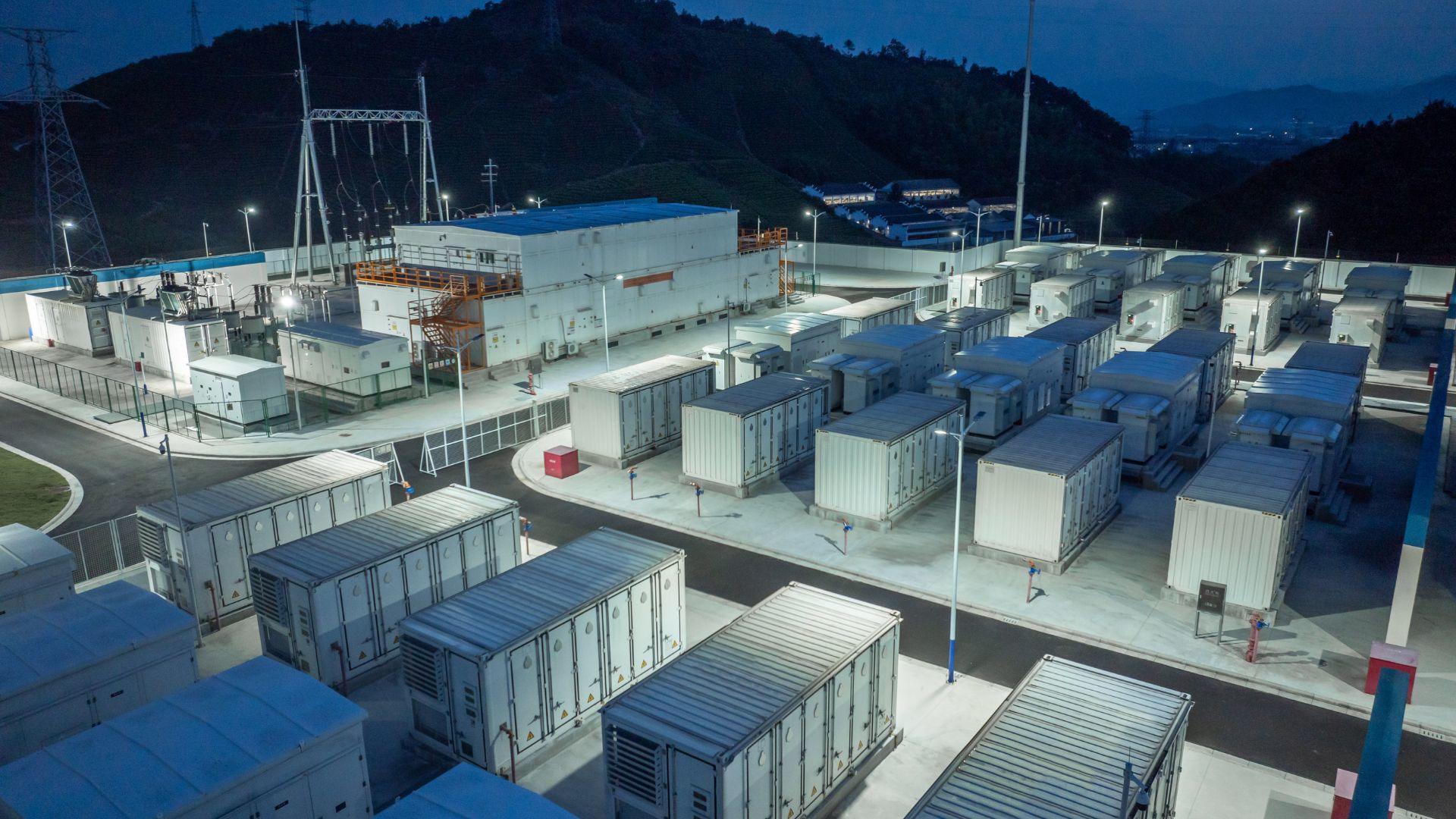
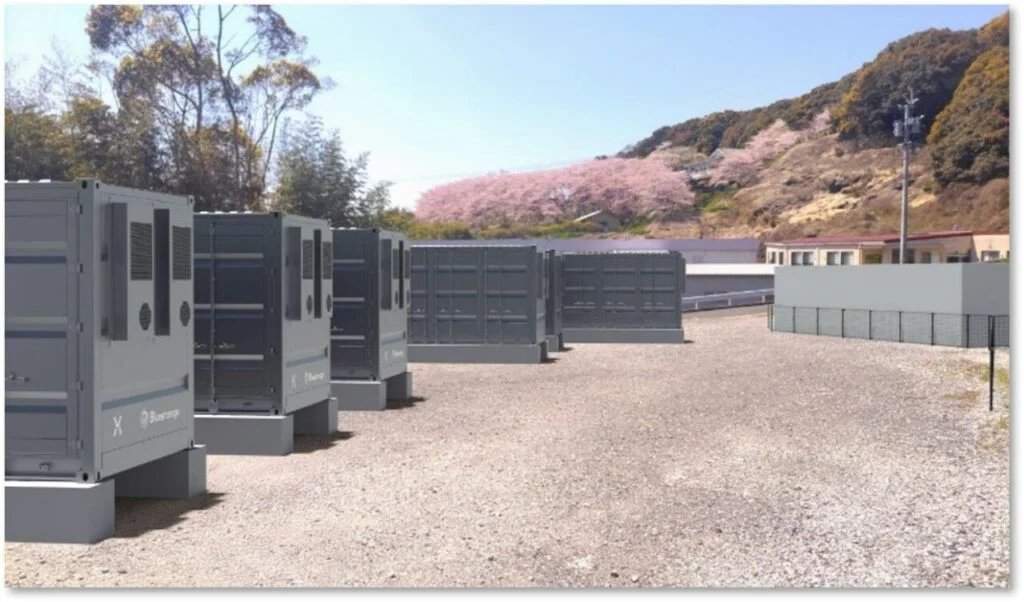
With the rapid growth of renewable energy, large-scale battery storage has become a key component of modern power systems. These batteries help stabilize the grid by storing excess electricity from solar and wind power and releasing it when generation drops. However, traditionally, assessing battery lifespan requires months of testing, which slows innovation and increases development costs.
Every rechargeable battery gradually loses capacity over repeated charge-discharge cycles. For grid-scale energy storage systems, accurately predicting this capacity degradation is critical, as it directly impacts system performance, maintenance planning, and long-term investment decisions. In the past, researchers typically needed hundreds or even thousands of charge-discharge cycles to reliably assess battery life, a process that consumed significant time and resources.
The new framework developed by ORNL uses sophisticated computer models to simulate battery behavior under various operating conditions. Instead of waiting months for experimental results, researchers can analyze long-term degradation in just days. The system combines detailed battery science with high-performance computing, enabling scientists to study the complex chemical and physical processes affecting battery health, thereby accelerating the evaluation of new battery materials and designs.
According to Srikanth Allu, a computational research scientist at ORNL, the method relies on high-performance computing to conduct detailed analysis of battery degradation after 500 to 1,000 operating cycles, yielding results in days. This reusable framework can simultaneously simulate over 10,000 battery cells and is applicable to a variety of lithium-ion battery chemistries—the most widely used technology for grid-scale storage.
This technology is expected to accelerate the development of next-generation battery technologies, reducing testing costs and time, helping manufacturers improve designs before commercialization, and supporting utility companies in more accurately planning maintenance and replacement schedules. As the grid increasingly relies on renewable energy, reliable battery storage is essential for maintaining a stable power supply. This faster and more accurate assessment method will help utility companies make more informed investment decisions and enhance the overall efficiency of energy storage systems.