en.Wedoany.com Reported - Anirban Basu, chief economist of the Associated Builders and Contractors, stated during a webinar on July 8 that U.S. construction industry growth is expected to continue through 2026, but rising interest rates, tariffs, and immigration policy impacts pose "real risks."
Between June 2024 and June 2026, overall construction employment grew by 1.6%, with data center construction being the primary driver. Non-residential construction employment increased by 4.5%, while residential construction employment declined by 2.5%. Basu noted that the industry is "busy but uneven," and mentioned that many contractors report data centers now account for 35% of their workload, compared to just 5% a few years ago.
Many other sectors are weighed down by high interest rates and material costs. As of May 2026, construction spending fell 3.8% year-over-year. Manufacturing spending dropped 21.9%, which Basu attributed to the impending expiration of the Biden-era CHIPS and Science Act, which previously provided subsidies for related fields. Hotel construction spending also declined by 10.7%; Basu noted that despite rising hotel occupancy rates, construction activity has decreased due to high labor and material costs.
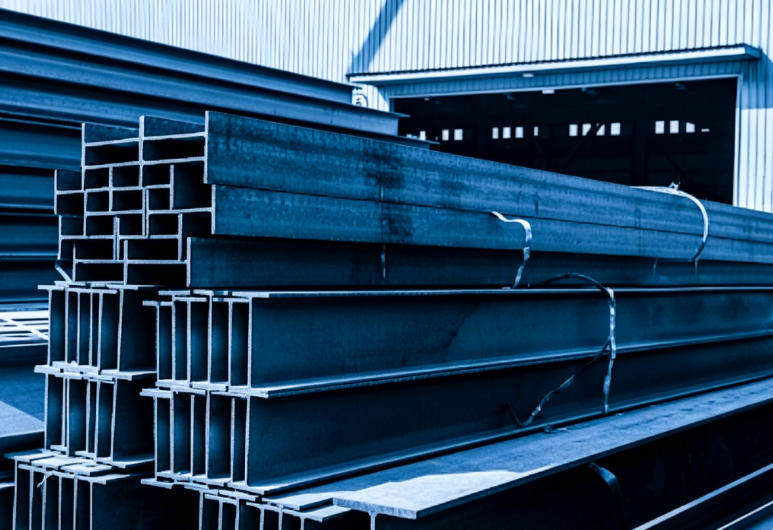
Since February 2020, before the COVID-19 pandemic, material costs have cumulatively risen by 55.5%. Recent events, such as the Iran conflict, have caused crude oil and energy raw material prices to surge by 128.5% and 116.4%, respectively. Tariffs have also had a significant impact, with non-ferrous metal wire and cable prices rising by 91.4% and steel product prices increasing by 86%. For the remainder of 2026, Basu believes that demand from artificial intelligence and corporate investment will be sufficient to sustain overall U.S. GDP growth, but for the construction industry, particularly with interest rate hikes expected in 2027, real risks remain.