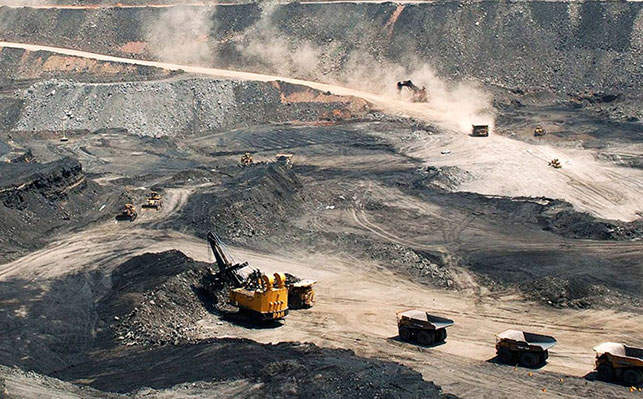
en.Wedoany.com Reported - The government of Minas Gerais, Brazil, submitted Bill No. 5,233/26 to the State Legislative Assembly (ALMG) on July 7, 2026, proposing the creation of the "Fund for Exhaustion and Assistance to Mining Municipalities" (Fundo de Exaustão e Assistência aos Municípios Mineradores, Feamm). The fund aims to help cities dependent on mining achieve economic diversification and mitigate risks of mineral resource depletion and market volatility. The bill, originally submitted by then-Governor Romeu Zema in February 2026, officially entered the legislative review process on July 7.
Minas Gerais is one of Brazil's most important mining states, renowned for resources such as iron ore and gold, and it has the largest number of municipalities (853) in the country. Mining activities have made significant contributions to the local economy but have also left many cities overly dependent on this resource-limited industry, which is vulnerable to international market fluctuations. According to the bill's explanatory memorandum, establishing Feamm is "a key step toward diversifying local industrial chains and promoting the sustainable development of mining cities." The initiative aims to implement recommendations from the State Audit Court (TCE-MG) to establish a priority mechanism for economic diversification.
Feamm's funding sources are diversified. According to the bill text, the fund may receive resources from the following: allocations from the state's annual budget law and supplementary credits; funds contributed by mining municipalities themselves; donations and bequests from domestic and foreign individuals and companies; funds obtained through agreements and partnerships with public and private entities; and investment returns on the fund's own capital. Additionally, the bill allows Feamm to provide financial support to companies and micro-entrepreneurs, public and private institutions, and state public administration entities.
The fund's primary objective is to provide an economic buffer for mining cities during periods of mineral resource depletion or significant commodity price fluctuations. Specifically, Feamm will aim to stimulate production diversification, create job opportunities outside the mining sector, support environmental restoration projects in mining-affected areas, and promote sustainable practices. Then-Governor Zema stated in the bill's explanatory memorandum that the fund is expected to improve residents' quality of life, reduce social inequality by creating jobs across multiple industries, and help mitigate the environmental impact of mining activities by incentivizing more sustainable practices and funding environmental restoration projects.
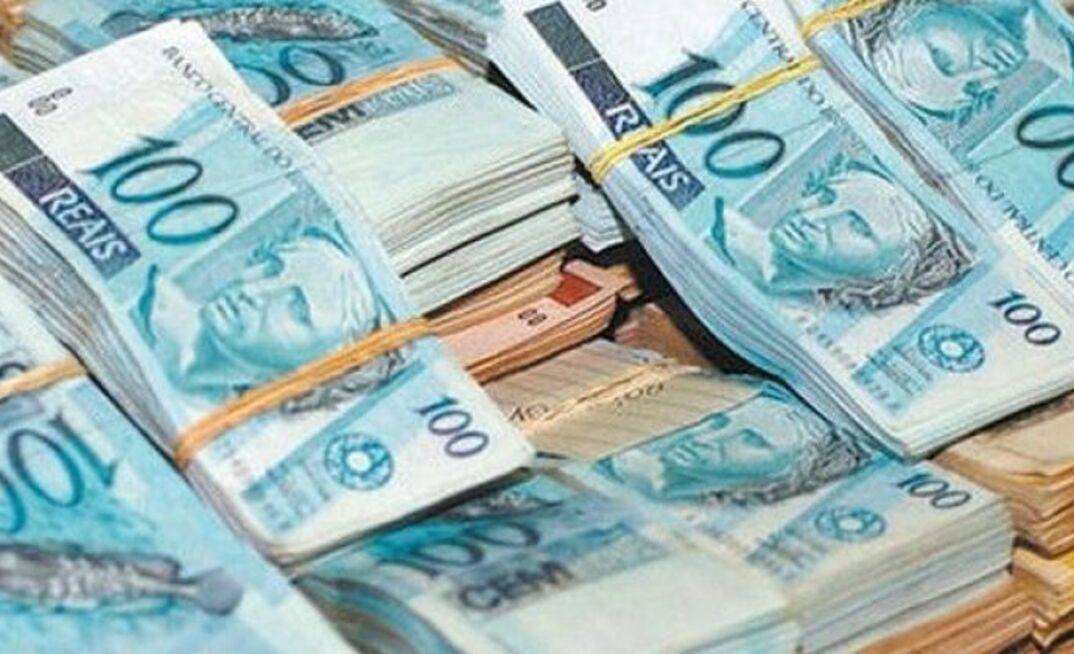
In addition to the Feamm bill, the state government submitted two other proposals to the Legislative Assembly on the same day. Bill No. 5,616/26 authorizes the state government to monetize accumulated ICMS (Tax on Circulation of Goods and Services) tax credits and direct the resulting funds toward economic development, renewable energy, low-carbon energy, ethanol and other non-fossil fuel production, and improvements to state road infrastructure. Another proposal, an amendment to Bill No. 5,741/26, plans to allocate an additional budget of up to 71.67 million Brazilian reais to the Minas Gerais State Court for personnel expenses and social security.
The introduction of the Feamm bill represents a significant legislative effort by Minas Gerais in the field of sustainable mining development. The bill is currently in the legislative review phase and must be deliberated and voted on by the State Legislative Assembly before it can take effect. If passed, the bill will provide institutional guarantees for the economic transformation and sustainable development of Brazil's major mining state.