Dubai to Invest $22 Billion in Sewage Tunnel Project
en.Wedoany.com Reported - Dubai plans to invest $22 billion in constructing deep sewage tunnels, replacing over 100 existing pumping stations with a gravity flow system. The project, named the Dubai Strategic Sewerage Tunnels, was approved in 2023 and adopts a public-private partnership model to address the pressure on sewage infrastructure caused by the city's rapid expansion.
The project includes two main tunnels with a total length of 75 kilometers, along with approximately 140 kilometers of auxiliary tunnels. The main tunnels will be located in two strategic areas: Bur Dubai and Deira. The Bur Dubai deep tunnel will be about 50 kilometers long, while the Deira deep tunnel will be approximately 25 kilometers long. The tunnels will reach depths of up to 90 meters underground to minimize impact on surface traffic and urban areas.
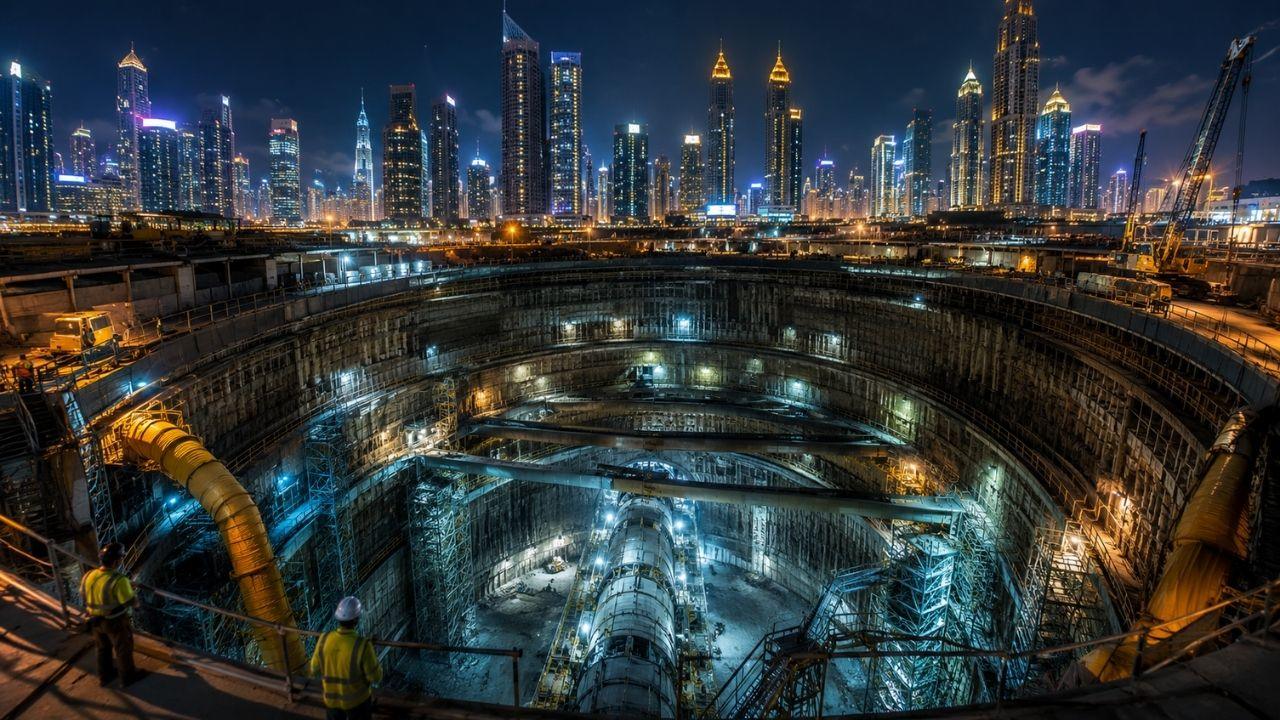
The technical core lies in converting the pumping system into a gravity-driven system. The tunnels will be constructed with a calculated gradient, allowing sewage to flow naturally to the terminal treatment plants in Jebel Ali and Al Warsan. This model does not completely eliminate pumping but uses it only in the final stage for lifting treatment. Project goals include reducing overall operational costs, lowering carbon emissions and energy consumption, and reserving capacity for future population growth.
Dubai has previously experienced overload issues in its sewage infrastructure. In 2018, the Palm Jumeirah area saw raw sewage on roads due to an overloaded temporary treatment station. In April 2024, the UAE experienced the heaviest rainfall on record, leading to a mix of sewage and floodwater in multiple areas.
Dubai Municipality has selected preferred bidders for the first contract packages. The project is divided into Package J (Jebel Ali), Package W (Warsan), and Package Links (connecting tunnels), with the connecting tunnels exceeding 200 kilometers in length. The financial structure adopts a design-build-finance-operate-maintain model with a concession period of 30 years. According to reports from various institutions, the overall project completion is expected between the early 2030s and 2056, covering the large-scale engineering cycle and operational period.
Related Products
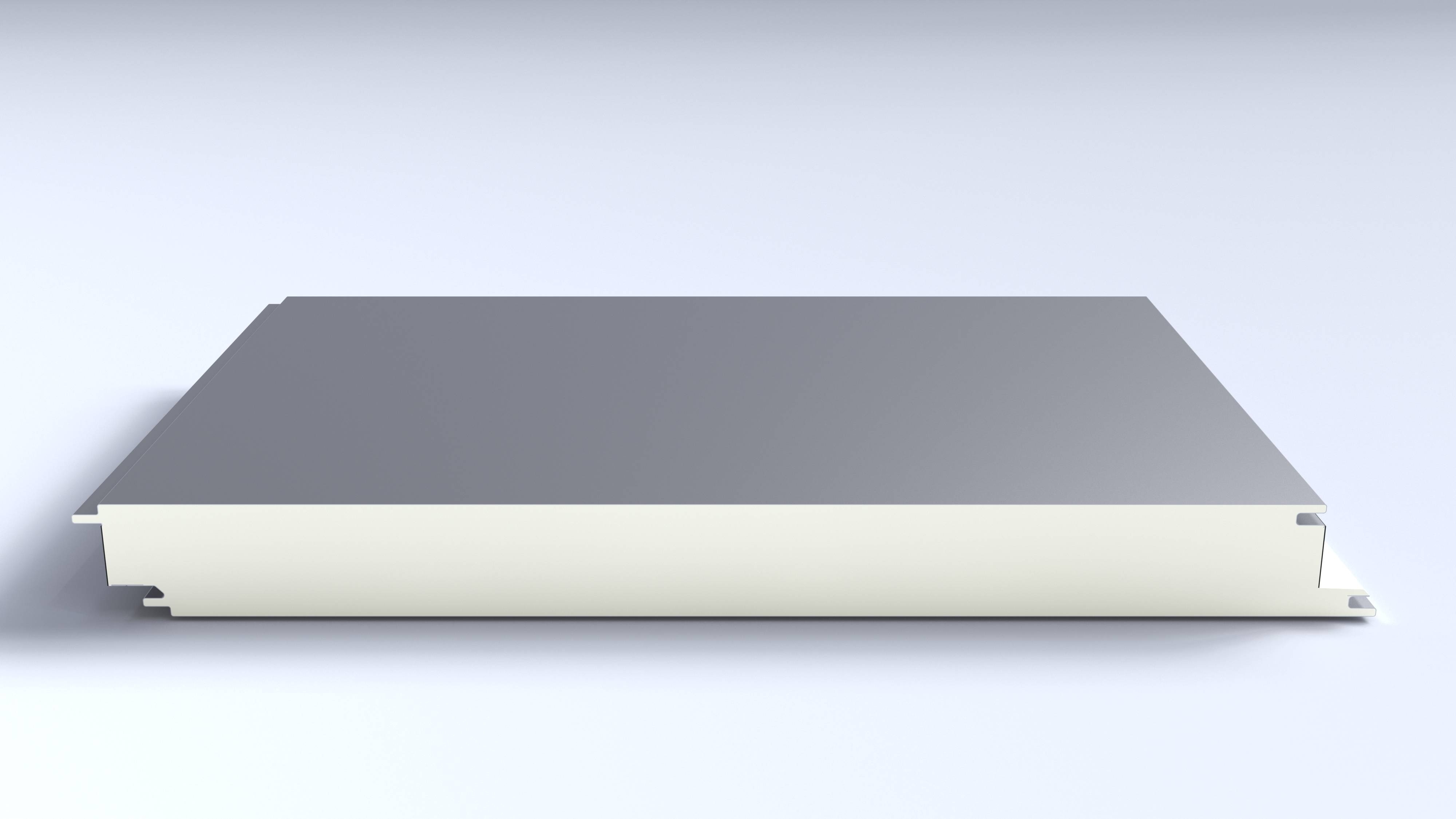

Pure Polyurethane Wall Panel BD-AEF-PIR-01
Baodu International Engineering Technology Co., Ltd.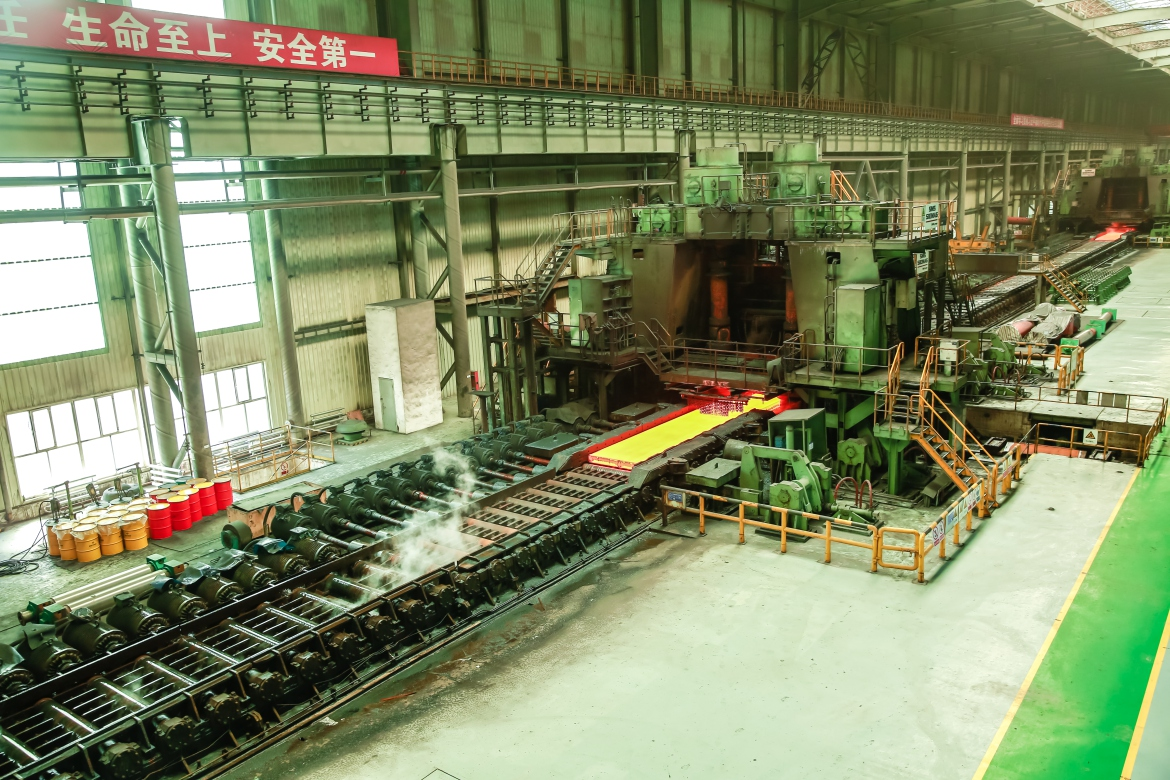
Ultra-Pure Ferrite Stainless Steel Products
Gansu JISCO Group Hongxing Iron and Steel Co., Ltd.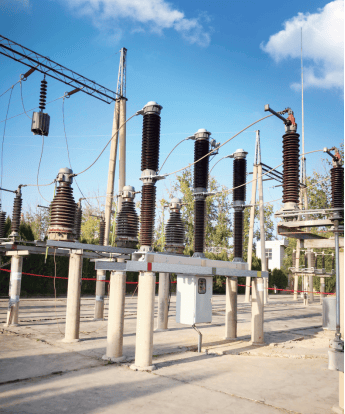
145kV Porcelain Column Type Sulfur Hexafluoride Circuit Breaker
TBEA ZONFA Shanghai High Voltage Switchgear Co., Ltd.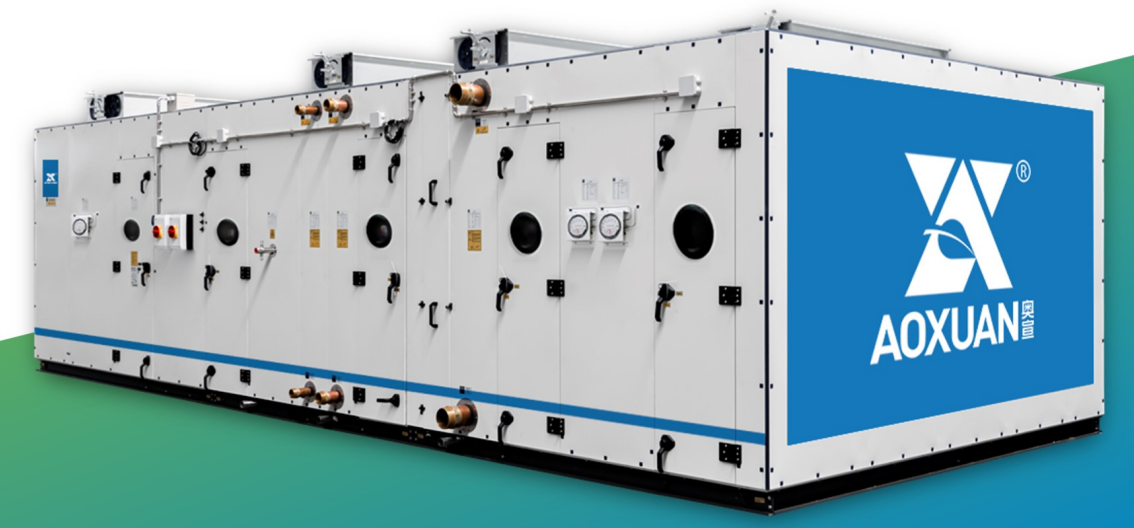
Aoxuan Intelligent Precision Air Conditioning Unit
SHANGHAI AOXUAN PURIFICATION TECHNOLOGY CO., LTD.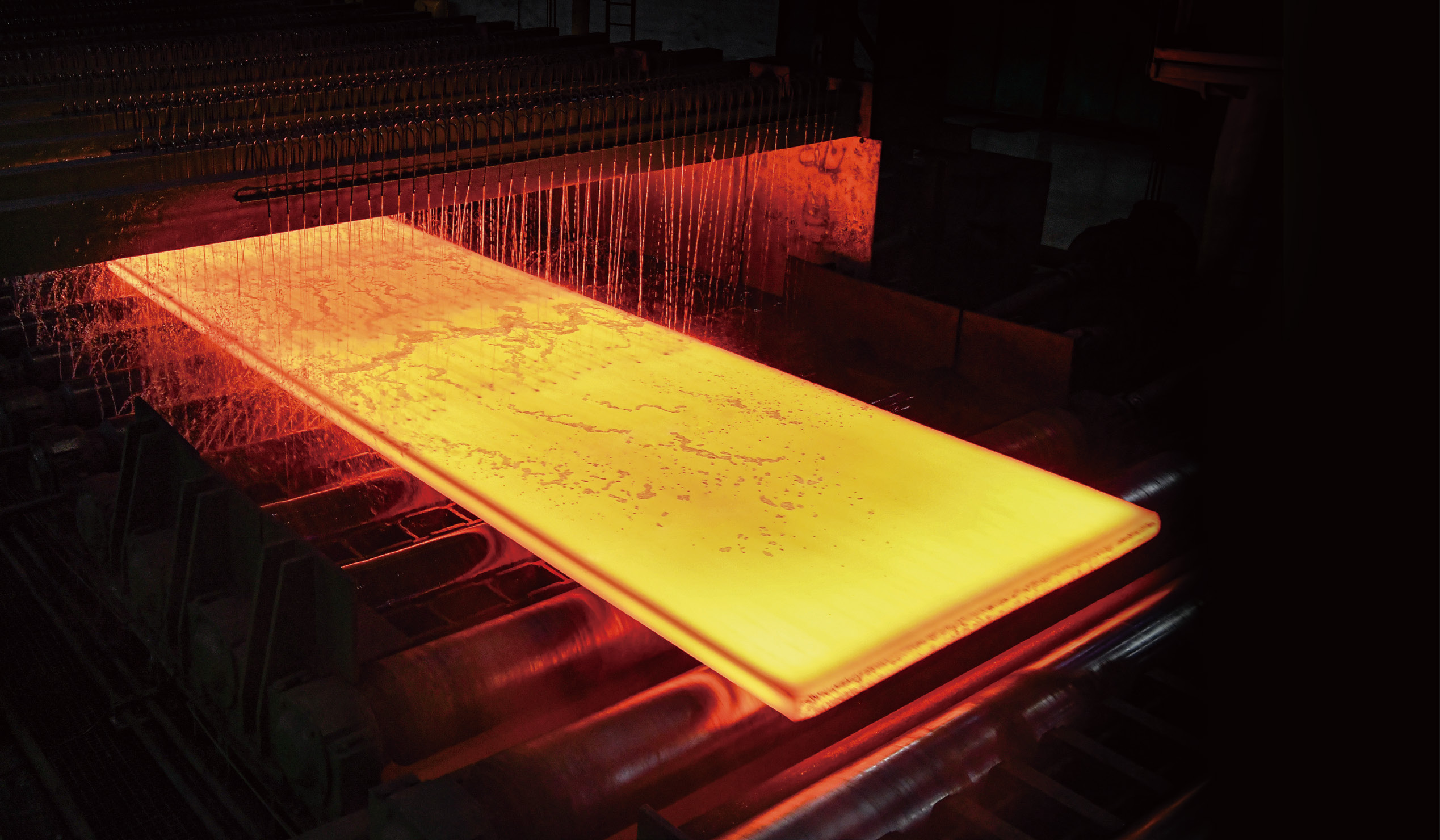
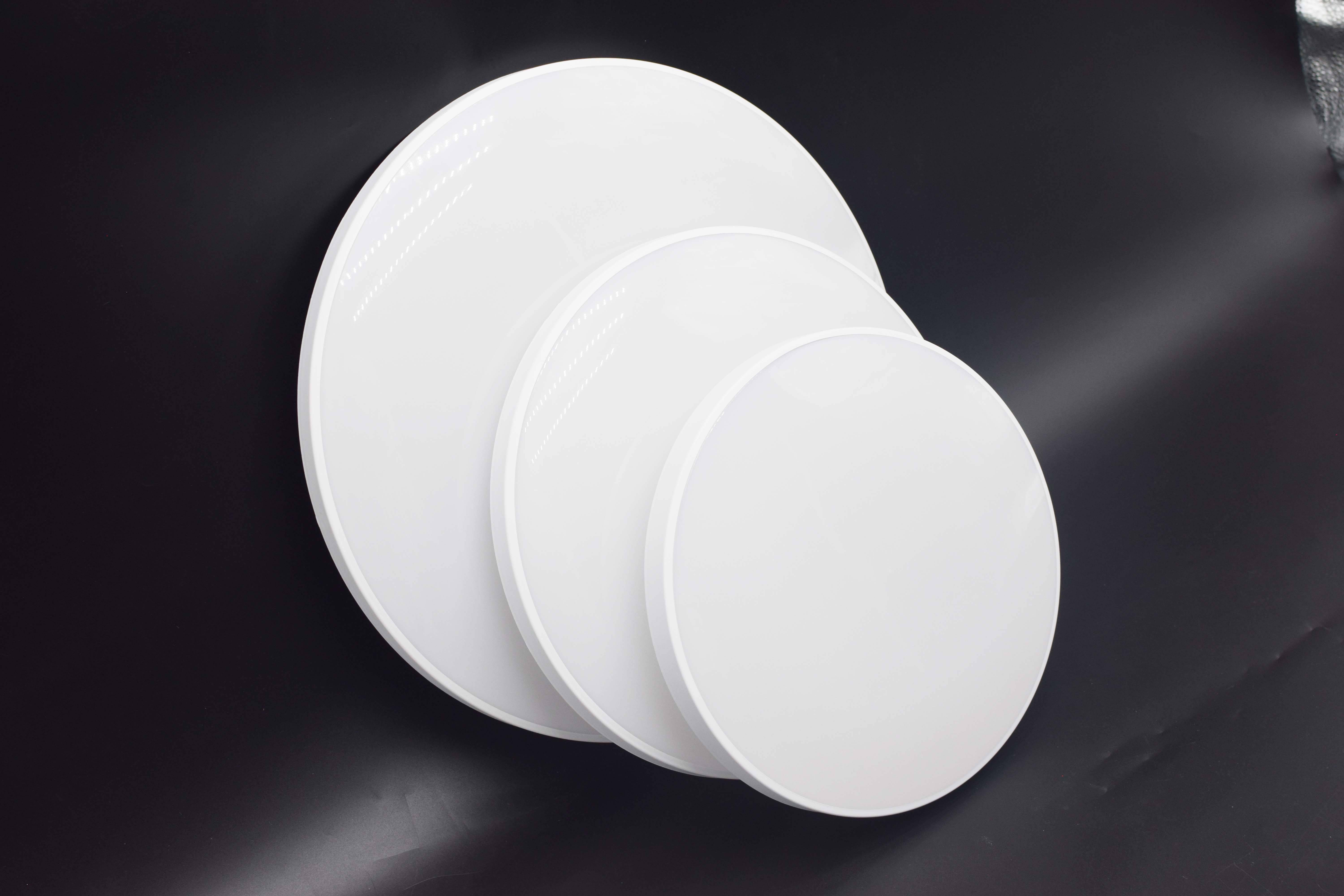
Ceiling light | led Ceiling Light | LED Indoor light | LED Ceiling lighting
Queendom Group Technology Co., Ltd.
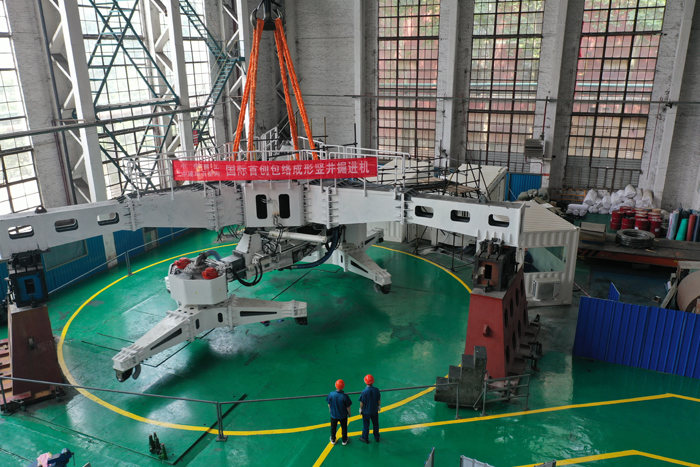
CITIC Heavy Industries Tunneling Equipment Tunnel Engineering Shield Machine
CITIC Heavy Industries Co., Ltd.