Uppsala University explores new design for rare earth magnets
en.Wedoany.com Reported - A research team led by Martin Sahlberg, Professor of Materials Chemistry at Uppsala University in Sweden, is exploring a new approach to designing rare earth magnets based on local mineral chemistry, aiming to reduce waste and environmental impact in rare earth production.
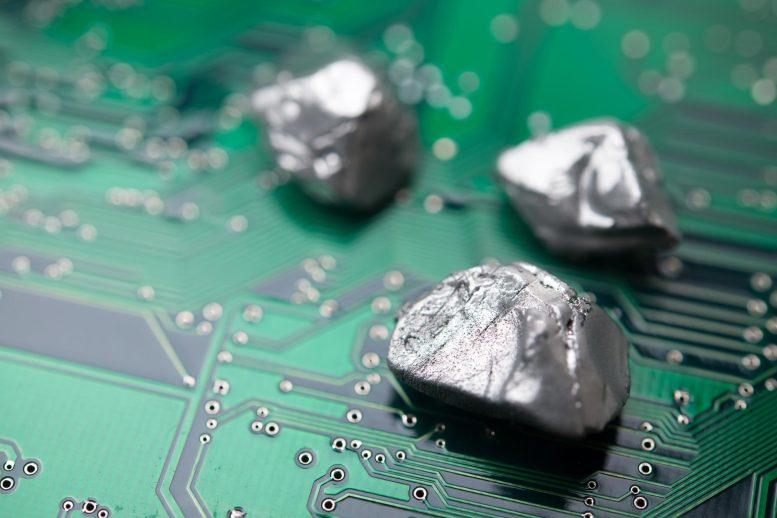
Rare earth magnets, essential for the global clean energy transition, power electric vehicles, offshore wind turbines, smartphones, and defense systems. However, their supply chain is highly concentrated in China, and the processing methods are environmentally intensive. China dominates rare earth processing and magnet production, and recent export controls have highlighted supply risks. Martin Sahlberg noted that this has become a geopolitical issue. Rare earth elements are not always scarce; the challenge lies in finding enriched deposits and conducting environmentally friendly separation.
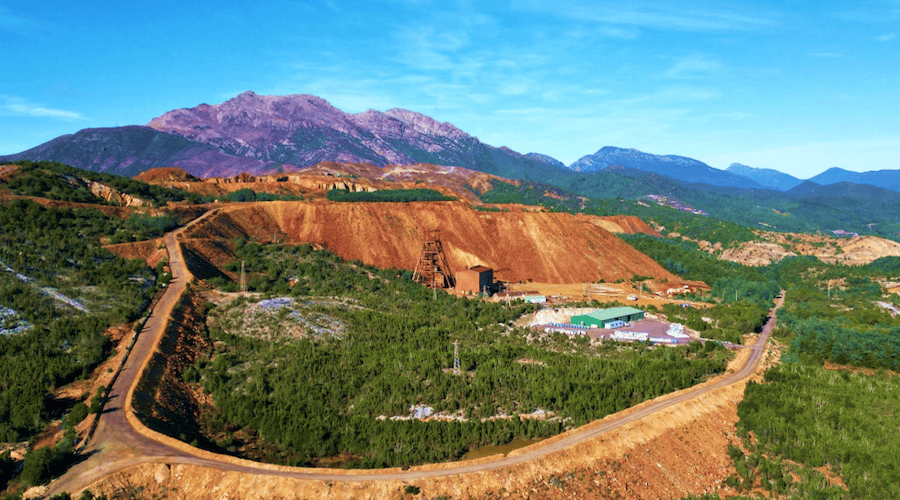
Deposits have been discovered in Sweden at Kiruna, Bergslagen, and Norra Kärr. LKAB states that the Kiruna area is Europe's largest known rare earth deposit, with over 1.3 million tonnes (approximately 1.4 million US tons) of rare earth oxides in the Per Geijer deposit. Martin Sahlberg believes Sweden has relatively favorable conditions for rare earth extraction, with good water resources and relatively cheap energy as additional advantages.
The research team plans to avoid mining for single metals. Instead, they will map the entire chemical mixture within Swedish deposits and design magnets based on the elements actually available. This approach, likened to the TV show "What's in Your Fridge," involves inventorying all elements and their proportions in the deposit to create new magnet formulas, thereby reducing high-intensity purification steps and lowering the environmental footprint during refining and manufacturing. The project brings together theoretical physicists, geologists, and materials engineers to explore a cleaner path from raw ore to finished magnets. Martin Sahlberg describes this as application-inspired basic research, conducted in a technologically critical field.
Related Products

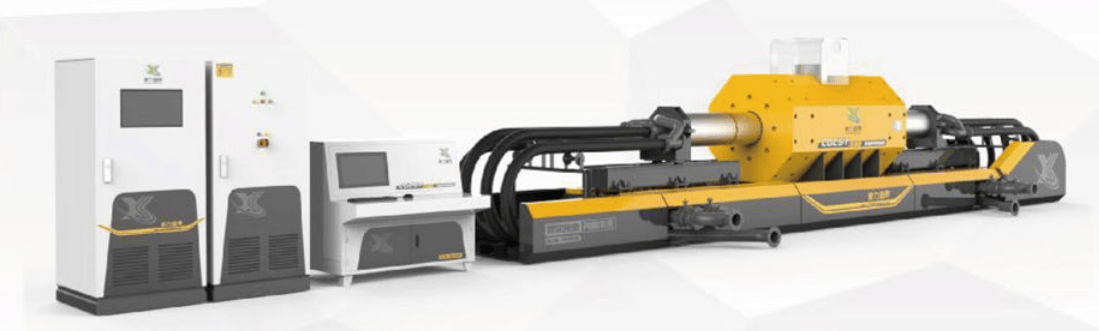
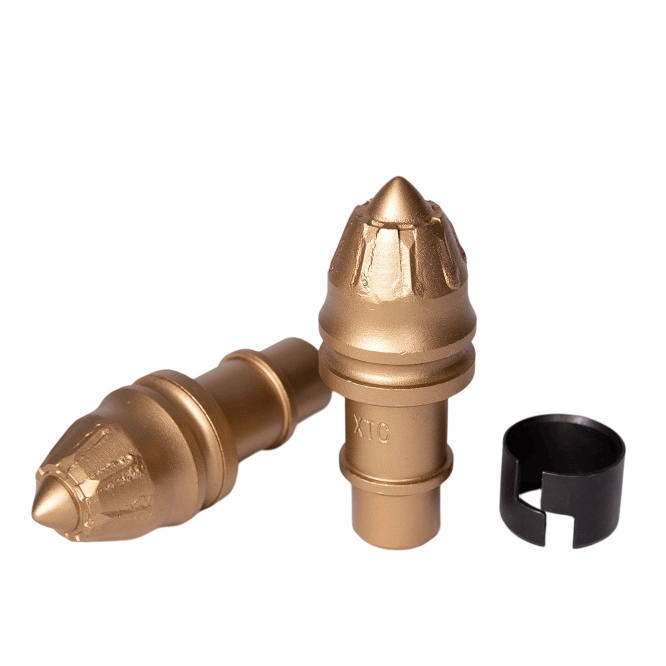
High-temperature Equal Wall Thickness High-power Screw Drilling Tool
Orient Energy & Technologies Co., Ltd.
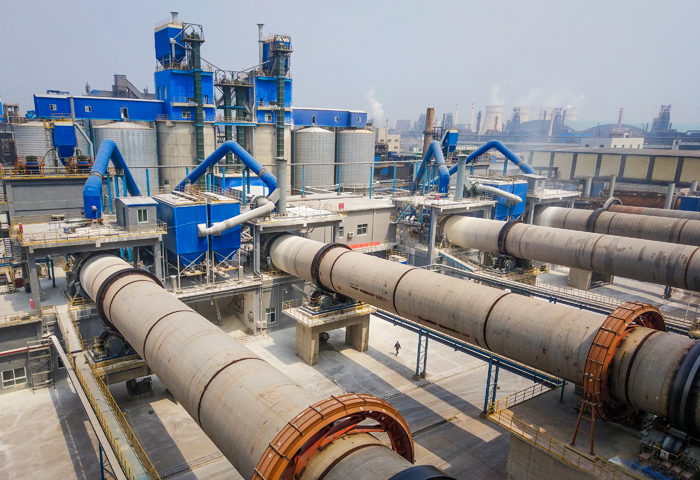
CITIC Heavy Industries Metallurgical Equipment Steel Smelting Engineering Equipment
CITIC Heavy Industries Co., Ltd.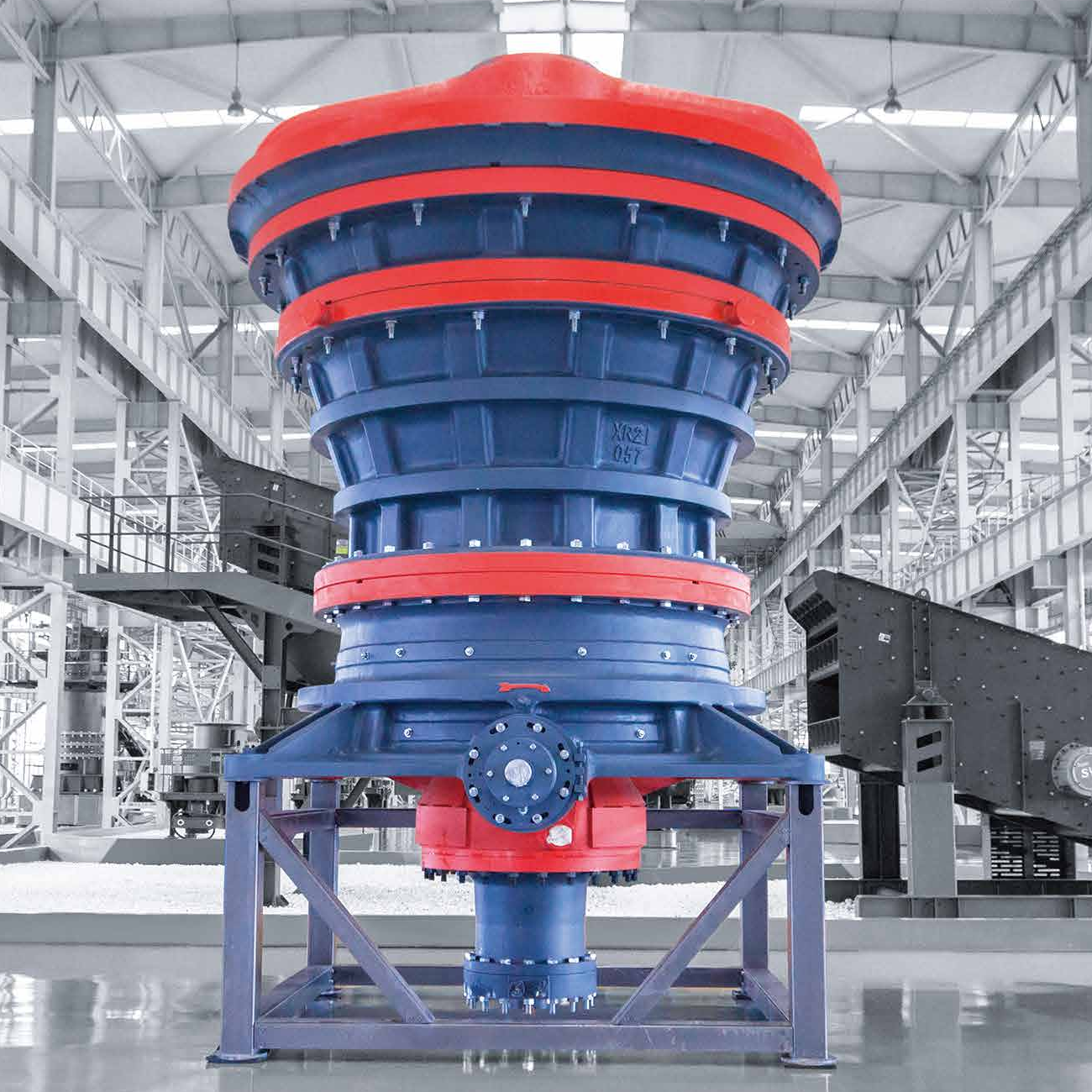
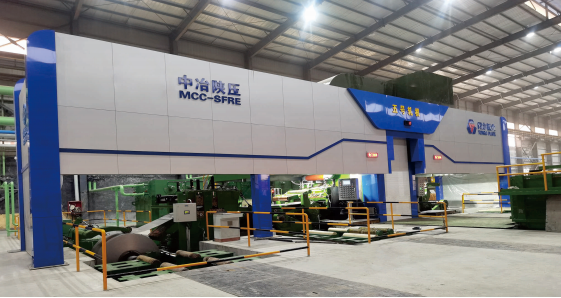
1050-1750mm Steel Strip Single-stand Reversible Cold Rolling Production Line
MCC-SFRE HEAVY INDUSTRY EQUIPMENT CO., LTD.

Mine Explosion-proof and Intrinsically Safe Industrial Ethernet Ring Network (10 Gigabit/Gigabit)
Chongqing Mas Sci&Tech Co., Ltd.