US Silver One's 108 Million Ounce Silver Resource Targets Pre-Feasibility by Year-End
en.Wedoany.com Reported - Silver One Resources is advancing its Candelaria silver project in Nevada, which hosts 108 million ounces of silver equivalent in measured and indicated resources, plus 30 million ounces in inferred resources, with a goal of completing a pre-feasibility study by year-end. The company is employing a new cyanide-free extraction technology, boosting heap leach material recovery rates from a historical average of approximately 51% to 66%, providing a technical foundation for reactivating this historic large-scale silver mine.
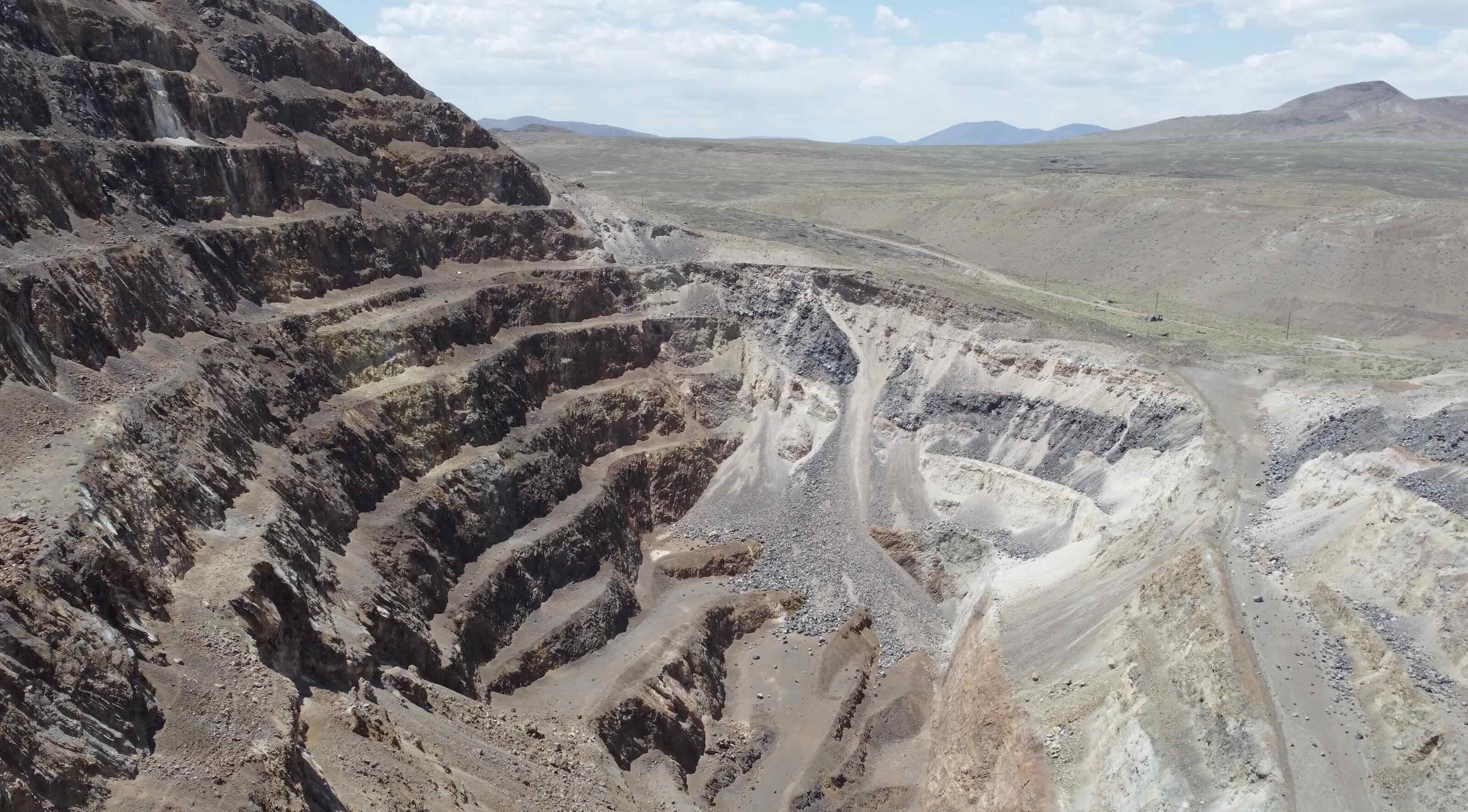
Candelaria's mining history dates back to 1864, initially as a high-grade underground silver vein operation before transitioning to open-pit mining. The last major operator, Kinross Gold, produced approximately 68 million ounces of silver from the mine before ceasing operations in the late 1990s due to low silver prices. Silver One acquired the property from Silver Standard in 2017, holding a 100% interest with no royalty obligations. Since Kinross did not complete reclamation, the mine permits, though outdated, were never closed. Silver One is currently updating permits with the U.S. Bureau of Land Management and the Nevada Division of Environmental Protection, with updates expected to be completed within months.
In terms of resources, the two open pits, Northern Belle and Mount Diablo, contain 71 million ounces of measured and indicated resources and 7 million ounces of inferred resources, with an additional 6.5 million ounces of measured and indicated resources and 3 million ounces of inferred resources from earlier underground workings below. Kinross's legacy heap leach pad materials, approximately 22 million tonnes (grading 42 g/t) and 11.5 million tonnes (same grade), are also included in the resource. The company plans to first put the heap leach pads into production (approximately 6-7 years of material), followed by mining fresh open-pit material (providing another 6-7 years), targeting a daily throughput of approximately 15,000 tonnes and annual silver production of 5-6 million ounces. If achieved, this would make Candelaria the second or third largest silver producer in the United States.
Key progress has been made in metallurgy. Historical recovery rates were only about 51%. Silver One, in collaboration with Extract and its partner Bechtel, is using a non-toxic, cyanide-free extraction technology. Tests show a recovery rate of 64% for Heap Leach Pad 1 and 70% for Heap Leach Pad 2. For fresh material, traditional cyanide leaching combined with High Pressure Grinding Roll (HPGR) crushing technology achieves a recovery rate of 66%, approximately 30% higher than Kinross's performance. The company recently completed auger drilling on the heap leach pads to upgrade resource classification from inferred to measured and indicated, and collected material for pilot-scale testing.
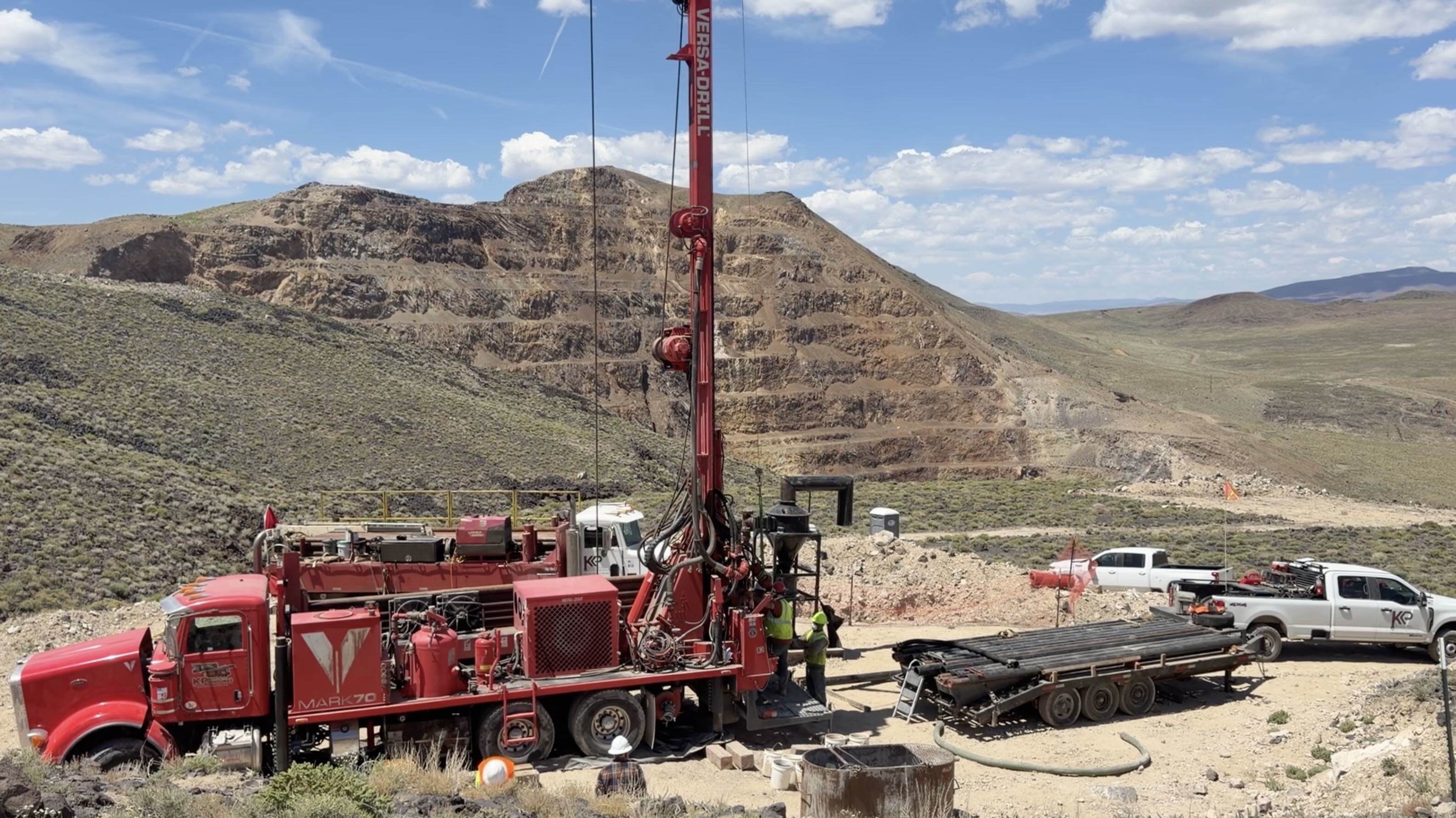
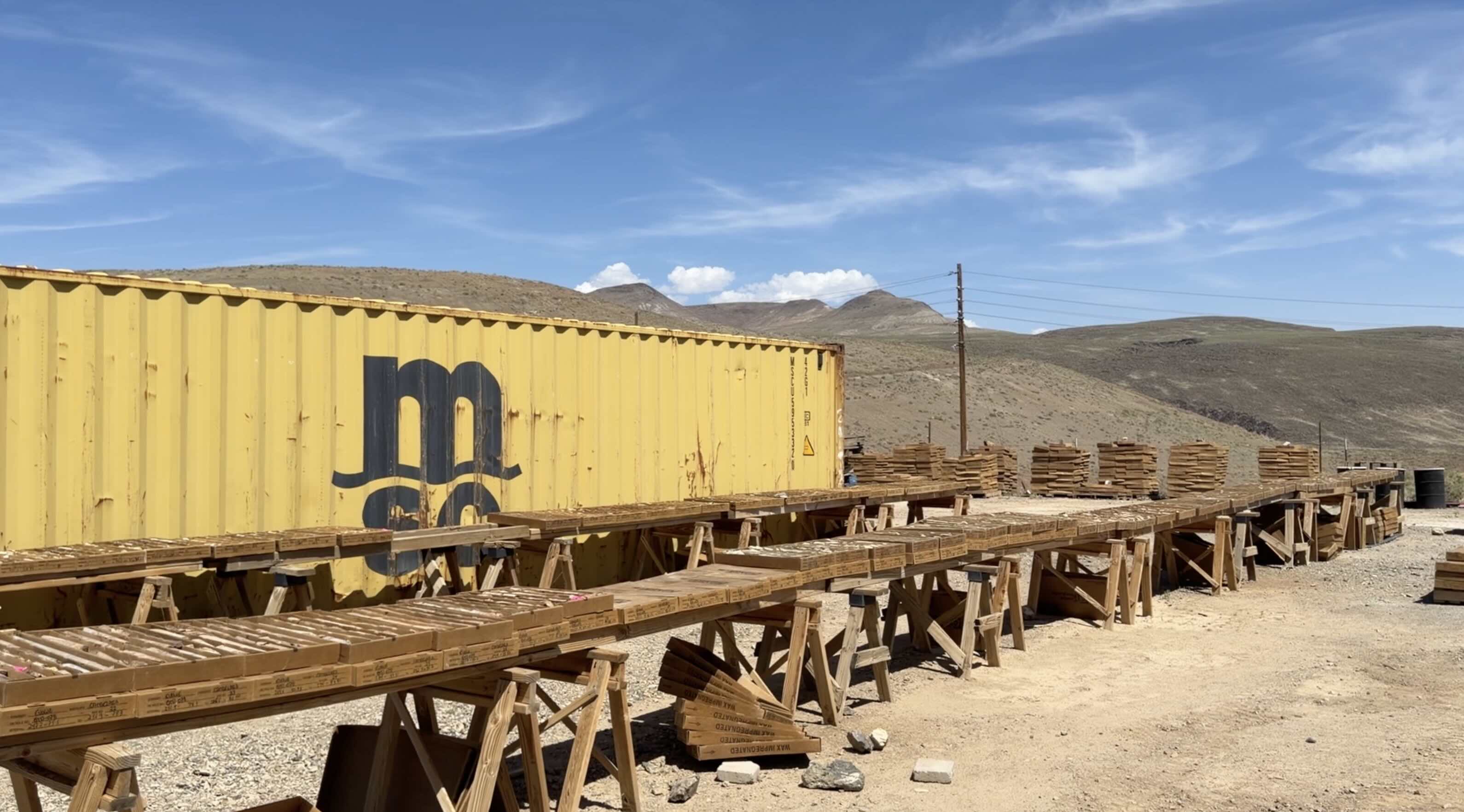
On the exploration front, the company has just launched a 20,000 to 25,000-meter drilling program to extend mineralization along strike and down dip. Project geologist Tom Watkins noted that mineralization is continuous both along strike and down dip within the Lower Candelaria shear zone. Beyond the two main pits, the property also shows signs of a deeper porphyry copper system, such as gem-quality turquoise found in old western workings and chalcopyrite mineralization (grading 2.76% copper) in adjacent areas. Management stated that a few drill holes will test the copper potential, but the core focus remains on silver production.
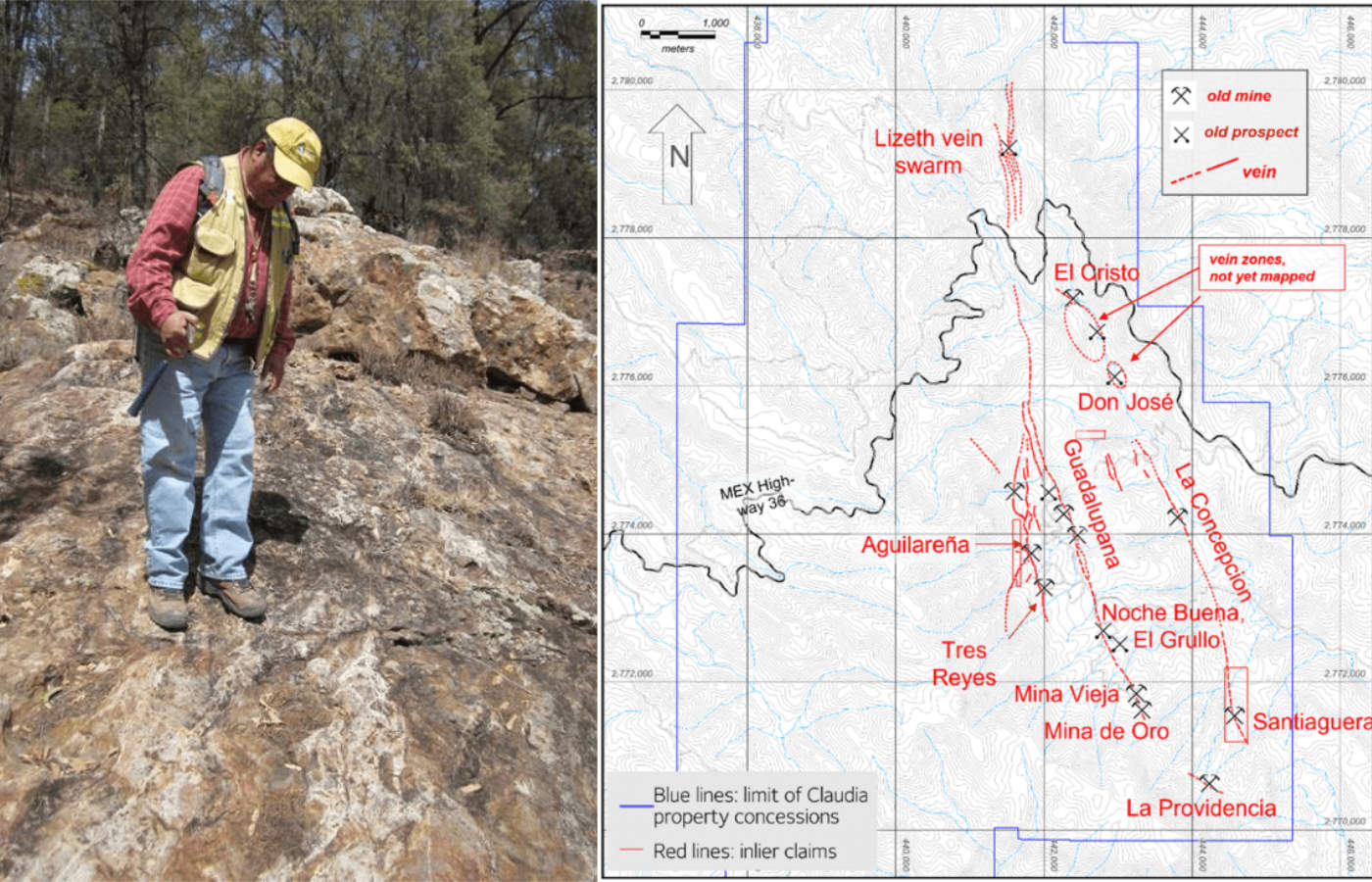
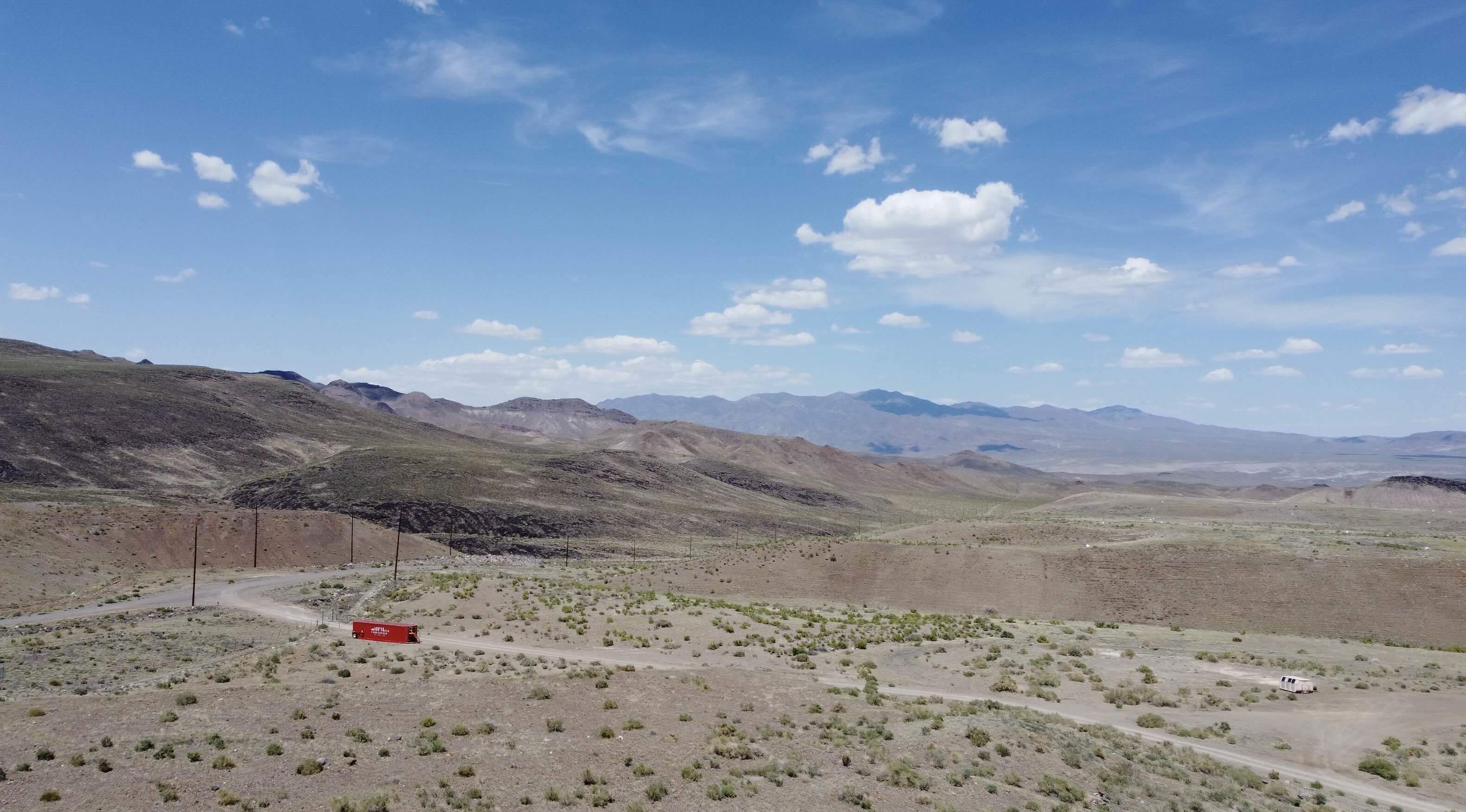
The Candelaria property extends approximately 11-12 kilometers along strike and covers over 20,000 acres, but only the two pit areas have been extensively explored. The company has completed property-wide surveys, including airborne ZTEM electromagnetic surveys, to locate untested extensions. In terms of infrastructure, the mine is located near the highway connecting Reno and Las Vegas, with approximately 2 miles of paved road leading directly to the heap leach pads. An active power line runs directly through the property, and two wells have been established.
The team includes CEO Greg Crowe (previously involved in developing the Oyu Tolgoi porphyry system in Mongolia with Entrée Gold), Vice President of Exploration Raul Diaz (with four decades of silver exploration experience), and geologist Tom Watkins (who managed porphyry copper targets at Entrée Gold). Crowe emphasized that putting known resources into production is the primary goal, and the company will not independently fund full-scale porphyry copper development.
Related Products


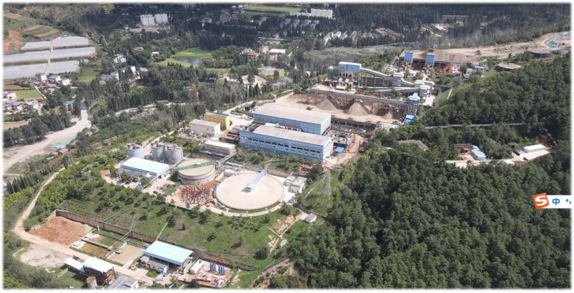
Yunnan Phosphorus Chemical Group Co., Ltd. 2 Million t/a Phosphorus Ore Mining and Beneficiation Project
China Bluestar Lehigh Engineering Corporation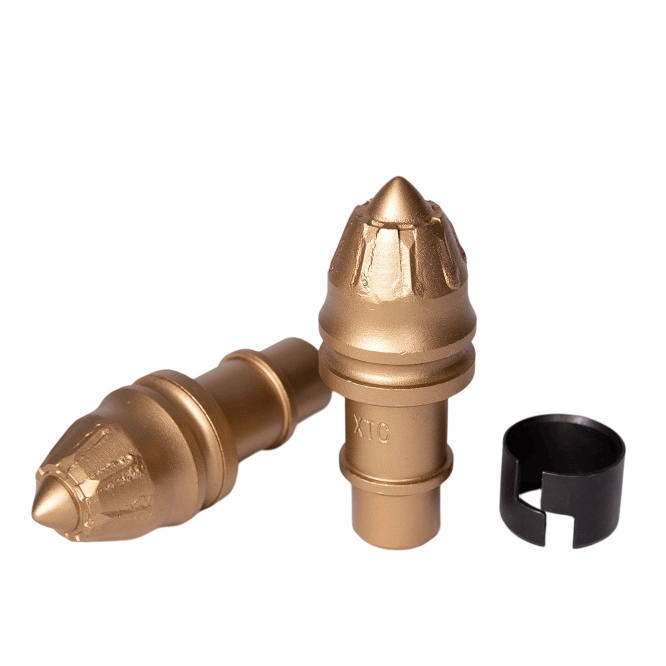
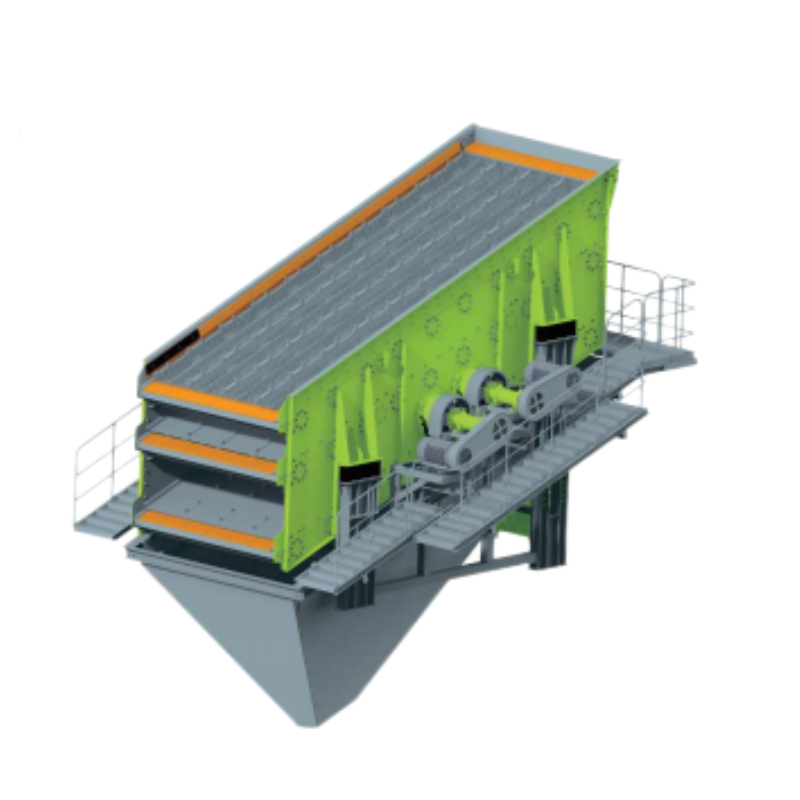
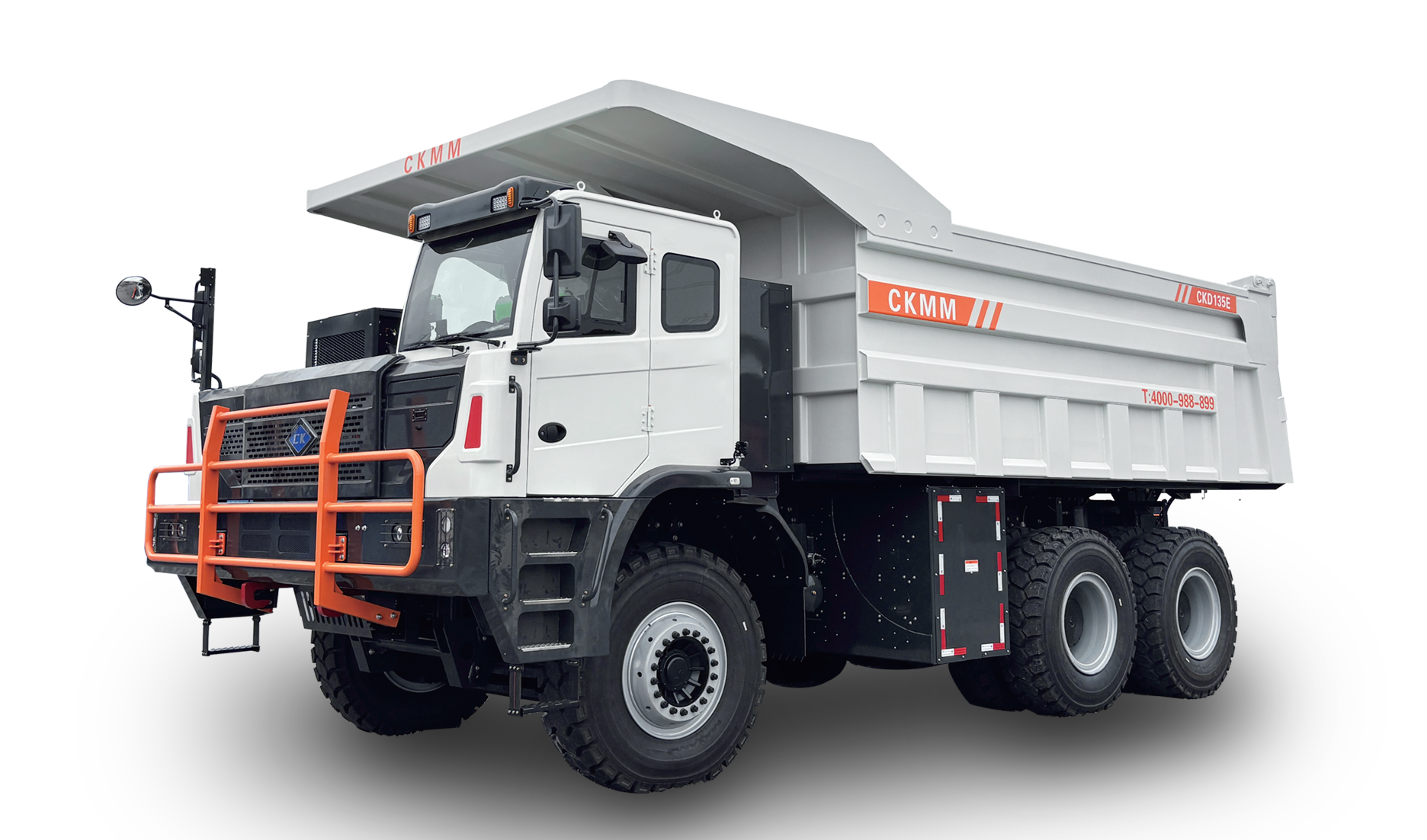
CKD135E Pure Electric Wide-body Dump Truck
Jiangsu Changkuang Engineering Machinery Co. Ltd.



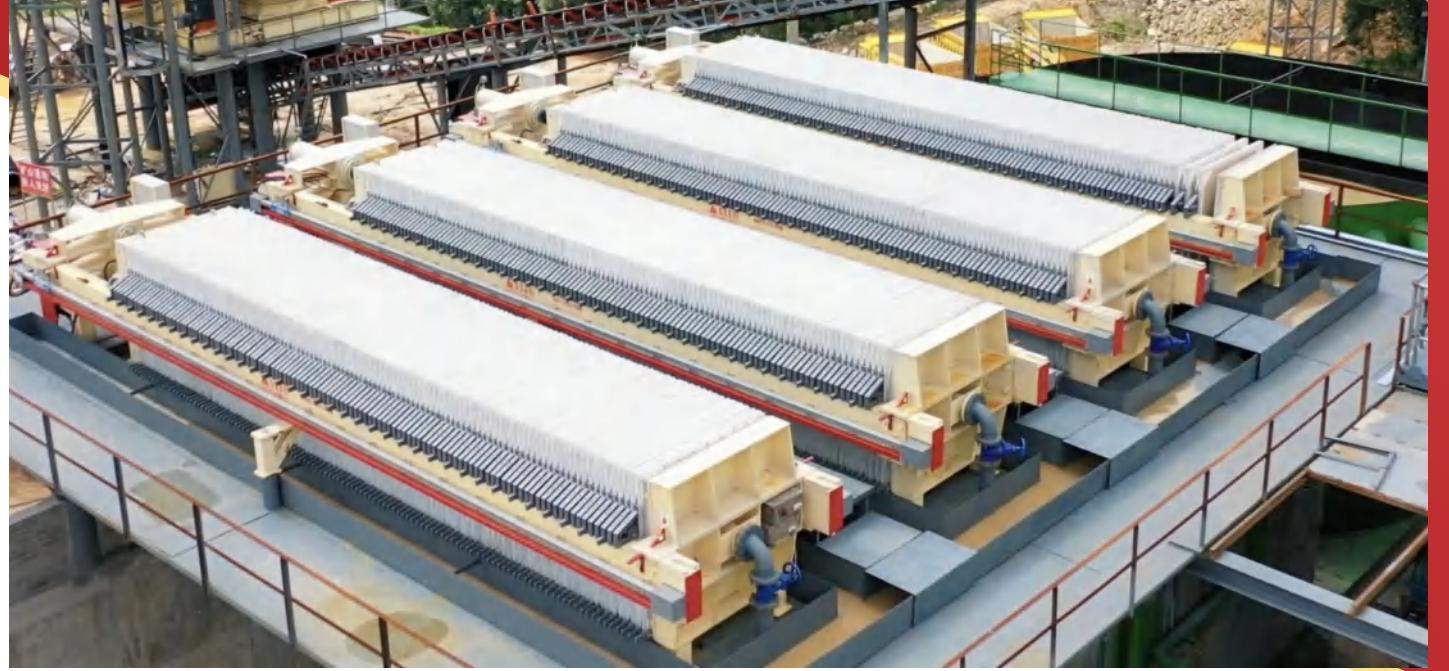
Hydraulic Plate and Frame Filter Press
Guangdong Leimeng Intelligent Equipment Group Co., Ltd.