IDEX discovers tungsten mineralization at Idaho copper project in USA
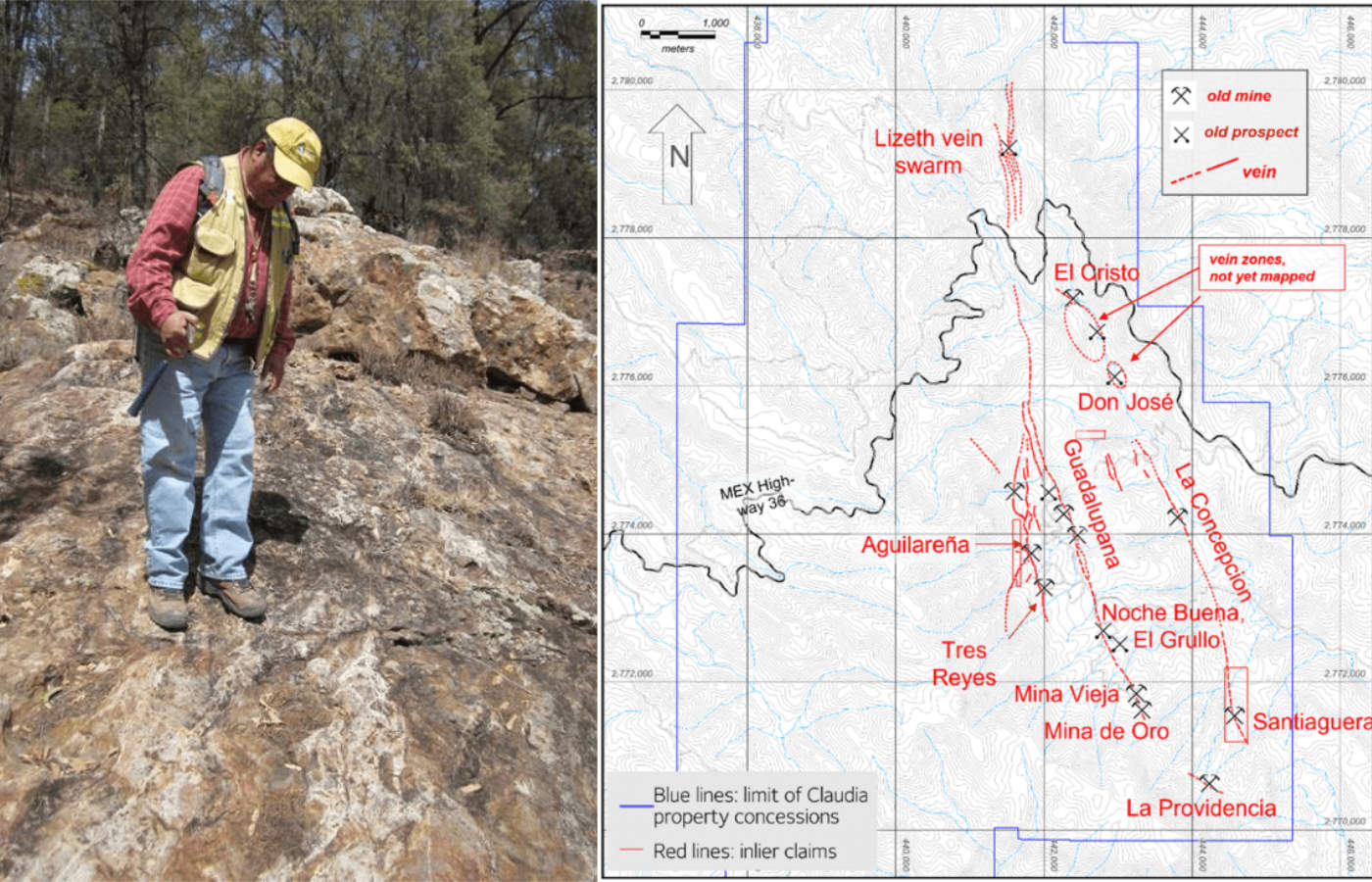
en.Wedoany.com Reported - IDEX Metals (TSXV: IDEX; US-OTC: IDXMF) has discovered widespread tungsten mineralization at the Freeze copper project in Idaho, USA, adding another critical metal resource to this early-stage copper project. Vancouver-based IDEX said the results came from re-assaying two drill holes at the Kismet target within the project. Hole KSMT25002 averaged 0.11% tungsten trioxide (WO3) over 180.5 meters from 52 meters depth, while hole KSMT25005 averaged 0.13% tungsten trioxide over 72.2 meters from 182.6 meters depth. Within hole KSMT25005, a higher-grade interval averaged 1.55% tungsten trioxide over 1.21 meters from 213.52 meters depth. The Freeze project spans Washington and Adams counties in Idaho, approximately 125 km north of the state capital Boise.
In a statement, CEO Clayton Fisher noted that these tungsten re-assay results significantly change the view of the Kismet system. He said Kismet was known as a strong copper-molybdenum system, and the confirmation of widespread tungsten enrichment with high-grade internal zones, along with visible coarse-grained scheelite, adds an entirely new and important critical metal dimension to the project. In the United States, tungsten has become a supply-risk commodity, with no commercially operating tungsten mines in the country since 2015 and over half of demand relying on imports. For IDEX, confirming tungsten in more drill holes could broaden investor interest in the Freeze project, as Idaho's copper belt is attracting attention from major mining companies and better-funded junior firms. IDEX shares closed at C$0.37 on Friday on the Toronto Stock Exchange, giving the company a market capitalization of C$28.3 million (US$20 million). The stock rose 7.4% on Thursday.
IDEX selected holes KSMT25002 and KSMT25005 as test cases because staff discovered scheelite in drill core last year. The company used sodium peroxide fusion for assaying, a laboratory method that more completely decomposes scheelite than the four-acid digestion method used in the first round of assaying. This change in detection method is particularly evident in high-grade material. IDEX noted that among 579 matched samples, the four-acid digestion method roughly matched the new method's results at low to medium grades but missed most tungsten in high-grade samples. The highest-grade sample returned only 1,070 ppm tungsten under the old method, but 12,300 ppm under sodium peroxide fusion, equivalent to 1.55% tungsten trioxide.
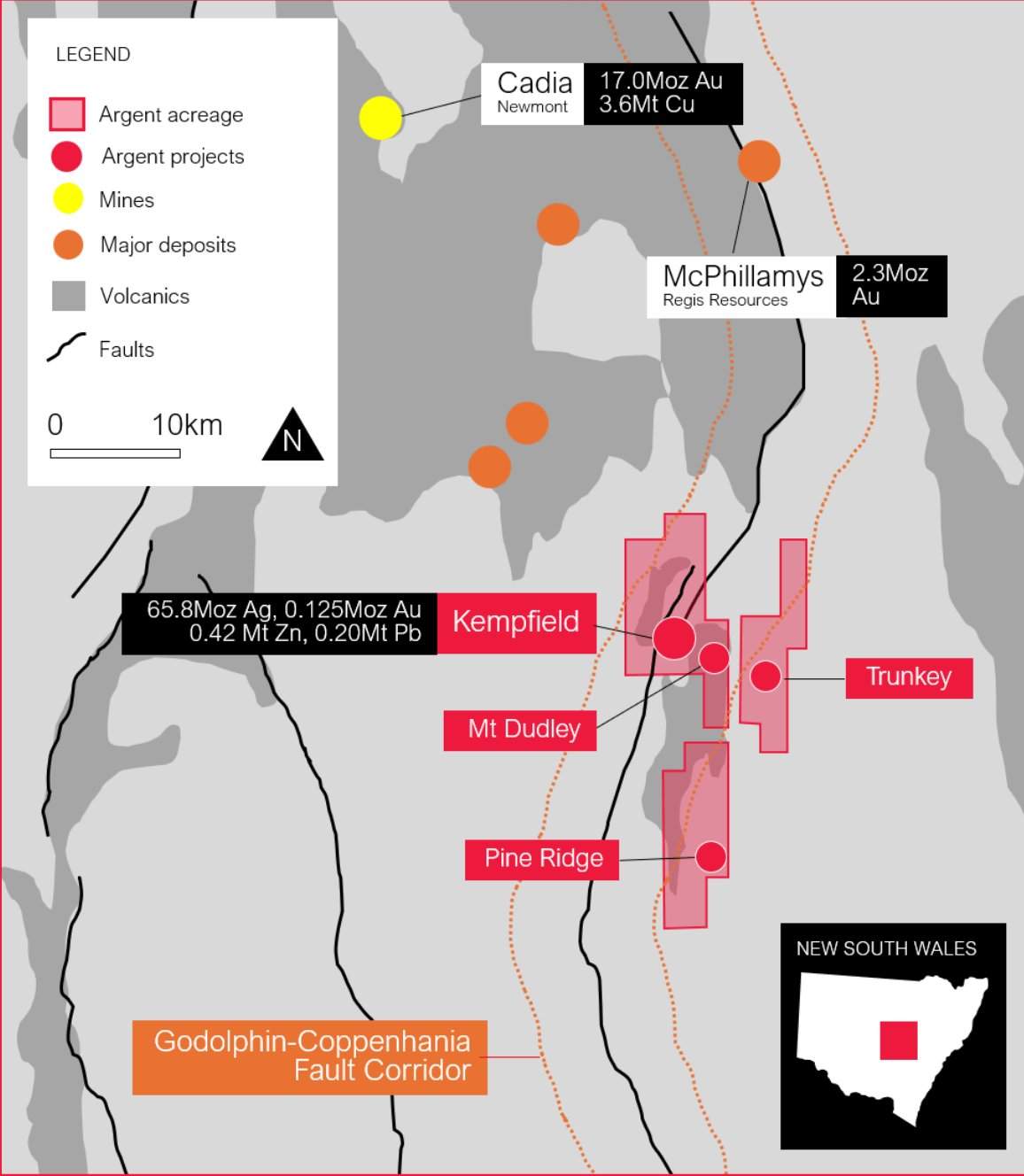
Currently, these tungsten results do not make Freeze a standalone tungsten project. Data comes from only two drill holes, true mineralized widths are unknown, and IDEX has not conducted a resource estimate at the Kismet target. Nevertheless, the re-assay results add a new exploration target to the mineralization system, which the company has primarily built around copper and molybdenum. Company data shows that last year's drilling encountered copper mineralization in all six Kismet holes, with hole KSMT25002 averaging 1.02% copper over 101 meters from surface, within a longer 420-meter interval averaging 0.37% copper. The Freeze project covers 128 square kilometers, including a 115-square-kilometer Idaho state mineral lease, located within a mineral belt that has attracted significant market attention since Barrick Mining invested US$23 million in Hercules Metals following the Leviathan copper discovery in 2023.
IDEX said the Kismet target is part of a 1.8 km mineralized corridor that includes the Breccia copper target to the north and the Frostfall gold target further north. Previous work found that copper mineralization is stronger near the top of the system, molybdenum mineralization increases with depth, and tungsten is distributed across drill intervals. The company describes the environment as a porphyry-style copper-molybdenum system, potentially with by-product metals. IDEX plans to re-assay the remaining four Kismet drill holes from 2025 for tungsten using sodium peroxide fusion, then optimize new drill targets at the Freeze project by combining results with a completed 90.4 line-kilometer induced polarization survey. This year's field program has drilled over 500 meters, with the company collecting 1,084 soil samples and 73 rock samples. A second drill rig is expected to begin shallow drilling at the Kismet target soon, while another rig is testing the North Breccia copper target.
Related Products

High-temperature Equal Wall Thickness High-power Screw Drilling Tool
Orient Energy & Technologies Co., Ltd.
Quick-Change Single-Seat Control Valve / Quick-Change High-Pressure Single-Seat Control Valve
Beijing Consen Automation Technology Co., Ltd.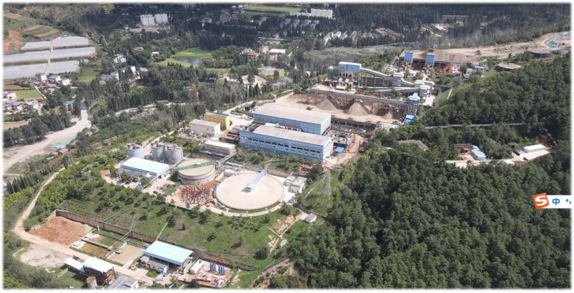
Yunnan Phosphorus Chemical Group Co., Ltd. 2 Million t/a Phosphorus Ore Mining and Beneficiation Project
China Bluestar Lehigh Engineering Corporation
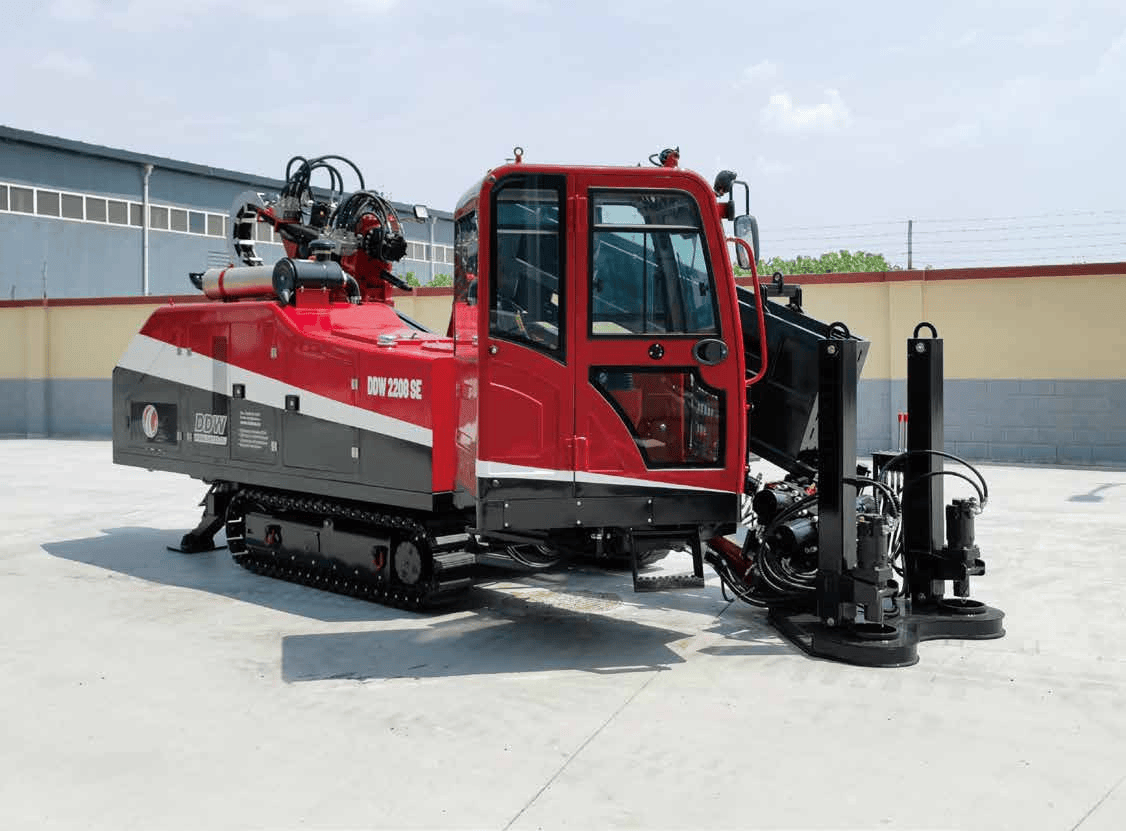
DDW22/08SE-HORIZONTAL DIRECTIONAL DRILL
DW/TXS Construction Equipment (Beijing) Co., Ltd.
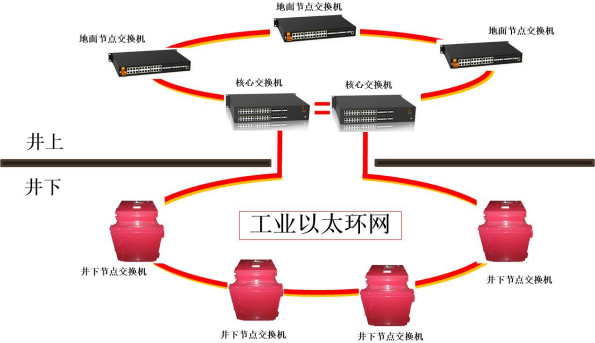
Mine Explosion-proof and Intrinsically Safe Industrial Ethernet Ring Network (10 Gigabit/Gigabit)
Chongqing Mas Sci&Tech Co., Ltd.