Fed's Williams: Energy prices may have peaked and will decline
en.Wedoany.com Reported - John Williams, President of the New York Federal Reserve Bank, said on Thursday that despite renewed conflicts in the Middle East, energy prices will not continue to rise for the remainder of this year; he also declined to disclose the possible decision on interest rates at the policy meeting later this month.
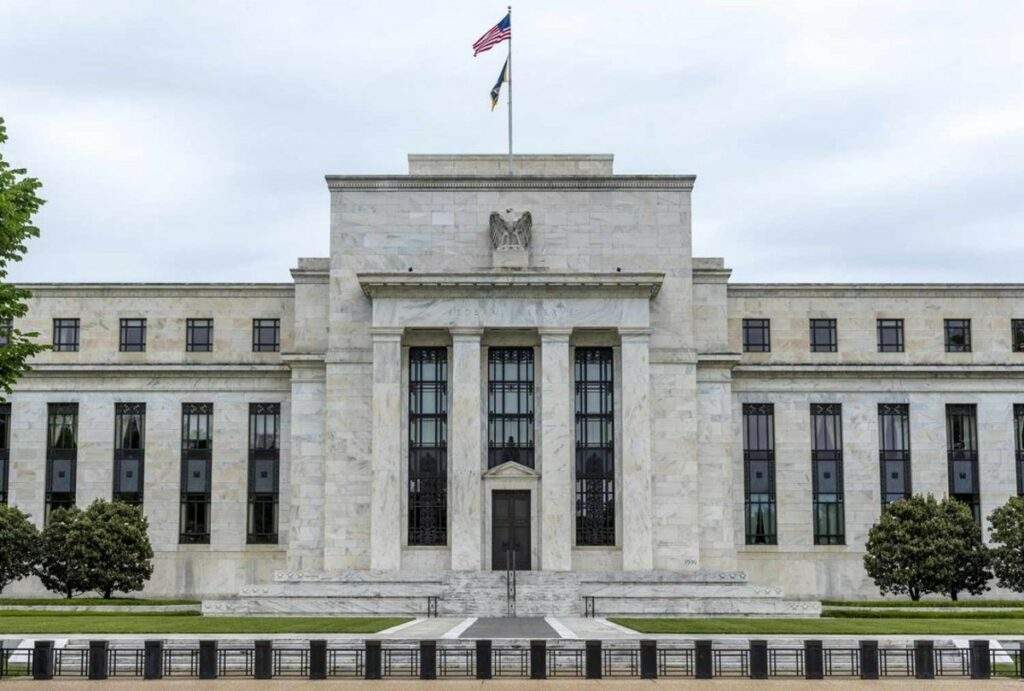
At a conference held by the regional Fed bank, Williams stated that market expectations for oil prices to decline over the next six to twelve months are a reasonable baseline judgment, and noted that from a fundamental perspective, energy prices may have already peaked and will gradually fall. When asked whether the Fed would raise interest rates at its July 28-29 meeting, he said the analysis process has not yet begun, emphasizing that meeting every six weeks does not imply permanent decisions.
The day before, the Fed released minutes from its June 16-17 policy meeting, during which officials held the benchmark interest rate steady at 3.50%-3.75%. Forecasts released last month showed that officials have preliminarily planned to raise interest rates this year, provided inflation remains persistently above target. However, Fed Chairman Kevin Warsh did not provide guidance on the outlook or explain how future data would affect his monetary policy views.
In an interview on Tuesday with Fox Business Network's "Mornings with Maria," Williams said he is more optimistic that overall high inflation will ease, partly due to the possibility that the Middle East war may end with a resolution, leading to lower energy prices. He reiterated that monetary policy is at an appropriate level considering economic risks. However, renewed hostilities threaten the flow of commodities such as energy, posing challenges to the outlook. U.S. President Donald Trump stated that the agreement to end the hot phase of the conflict has expired, increasing the risk of higher energy prices and inflation this year, potentially forcing the Fed to raise interest rates to curb price pressures.
On Thursday, Williams said that given the multiple possible paths for price pressures, it is crucial for the U.S. central bank to explain how it responds to data. He noted that the June meeting minutes reflect a richness of future scenarios, pointing out that some areas of the inflation outlook, such as tariffs or energy, could be more moderate depending on developments. Meanwhile, scenarios with more persistent and higher inflation would require tighter monetary policy, which he believes is the correct way to think. The meeting minutes, to some extent, capture the collective reaction function, though they were not designed for that purpose.
Williams reiterated the importance of being data-dependent, a principle he has followed as a policymaker and remains unchanged. He also mentioned that investments related to U.S. artificial intelligence infrastructure construction may bring lower price pressures in the future, but currently fuel inflation. If this creates a sustained impact on the supply-demand balance in inflation, it cannot be ignored, and monetary policy must be positioned to offset the resulting inflationary shock.
Williams made these remarks as Warsh considers adjusting the Fed's interest rate toolkit to further reduce the size of the balance sheet. The main proposal would allow financial institutions to reduce emergency cash holdings but could increase their vulnerability to financial shocks and make them more reliant on Fed borrowing during distress. Some Fed officials question the need to shrink the balance sheet, arguing that the Fed's holdings of approximately $6.7 trillion are not a key issue, and that short-term interest rates and market liquidity management have been successful.
Williams emphasized that any reform should prioritize maintaining the safety and stability of the banking system, and should not be driven by the goal of reducing the balance sheet size, but rather focus on improving, perfecting, and strengthening the financial system.
Related Products


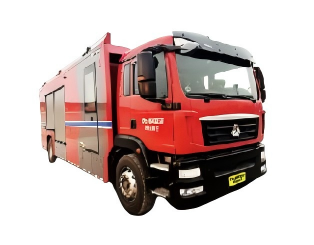
Modular Multifunctional Water Supply and Drainage Vehicle (18T)
Changsha Dewater Machinery Technology Co., Ltd.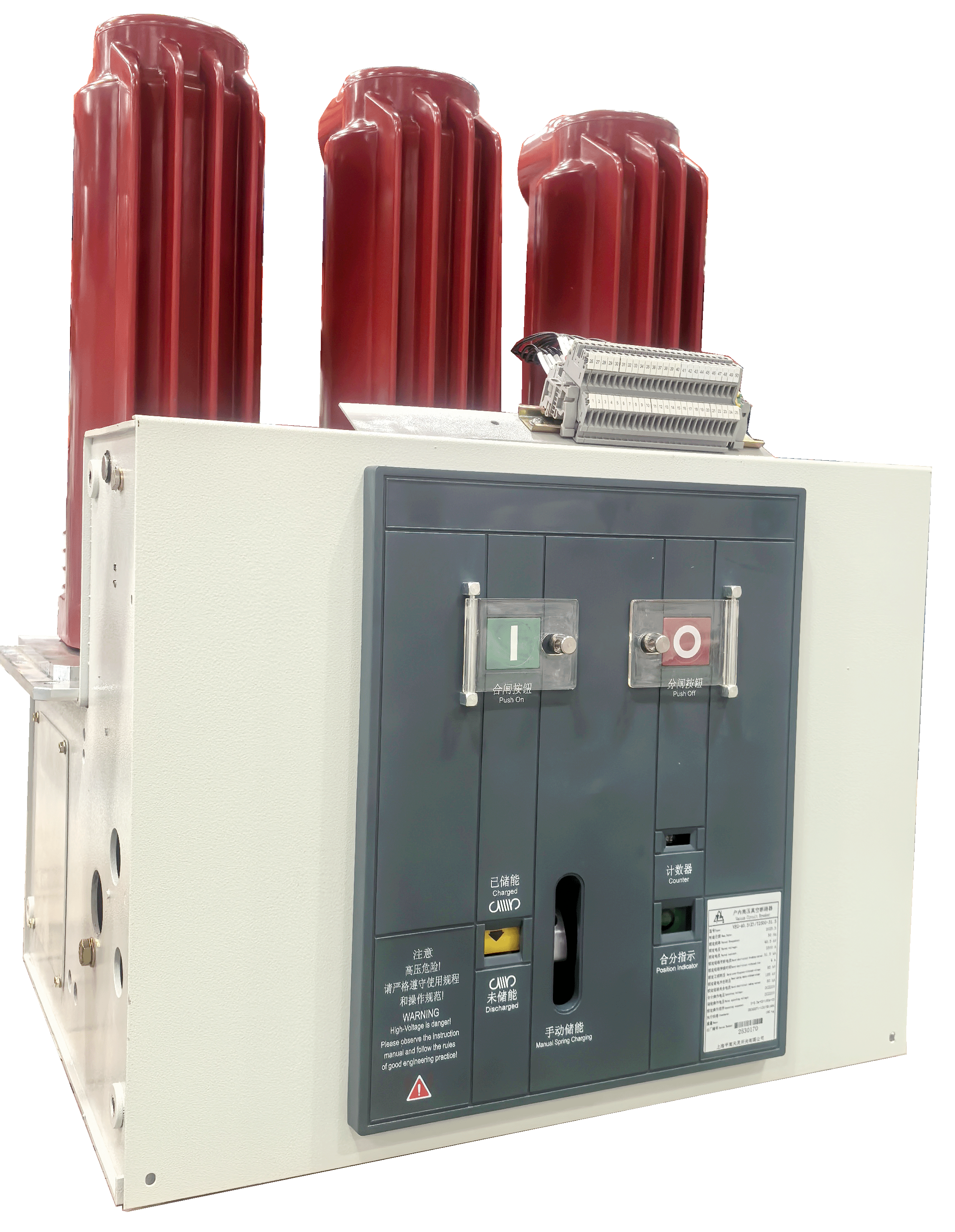
VEG-12/24/40.5 Series Vacuum Circuit Breaker
SHANGHAI PINGGAO TIANLING SWITCHGEAR CO., LTD.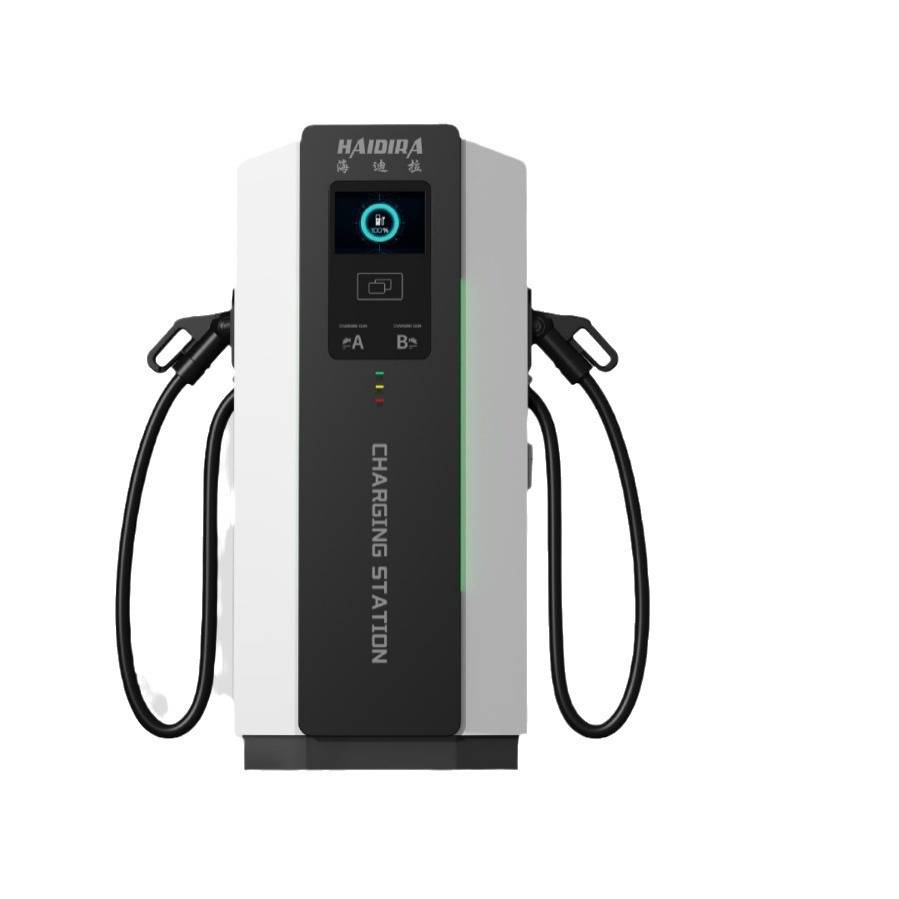
Manufacturer Direct Sales Tesla New Energy Electric Vehicle Universal DC 180kW Dual-gun Charging Pile Commercial Fast Charger
Anhui Haidira Electric Technology Co., Ltd.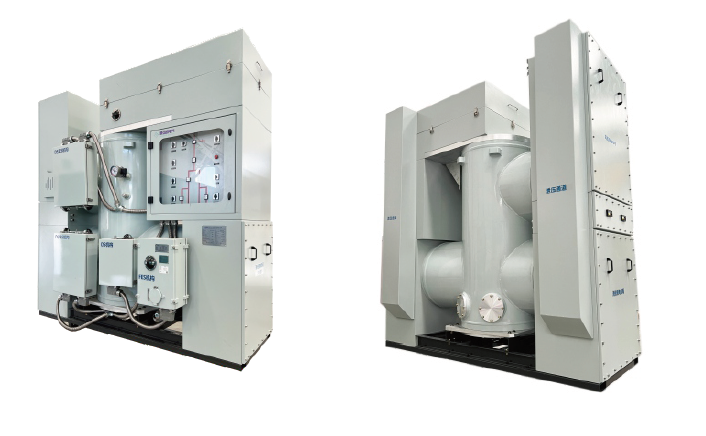
72.5kV 1250A 31.5kA SF6 free Gas-insulated Metal-enclosed Switchgear
Zhejiang Juhonkia Intelligent Electric Co., Ltd.