Schneider Electric UK: AI Data Center Rack Density May Exceed 200 kW, Straining the Grid
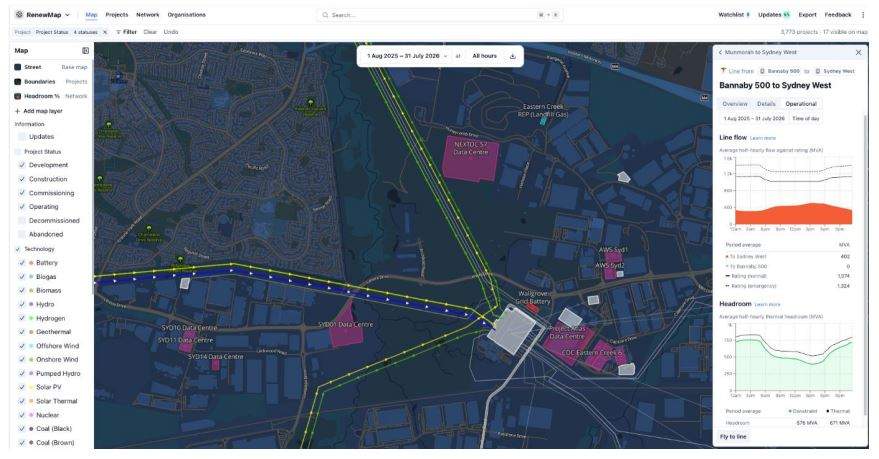
en.Wedoany.com Reported - Matthew Baynes, Vice President of Secure Power and Data Centers at Schneider Electric UK and Ireland, stated during London Climate Action Week that artificial intelligence (AI) has fundamentally changed the design requirements for data centers. Driven by technological advancements such as Nvidia GPU clusters, rack density has surged from 10 kW per rack to potentially exceeding 200 kW.
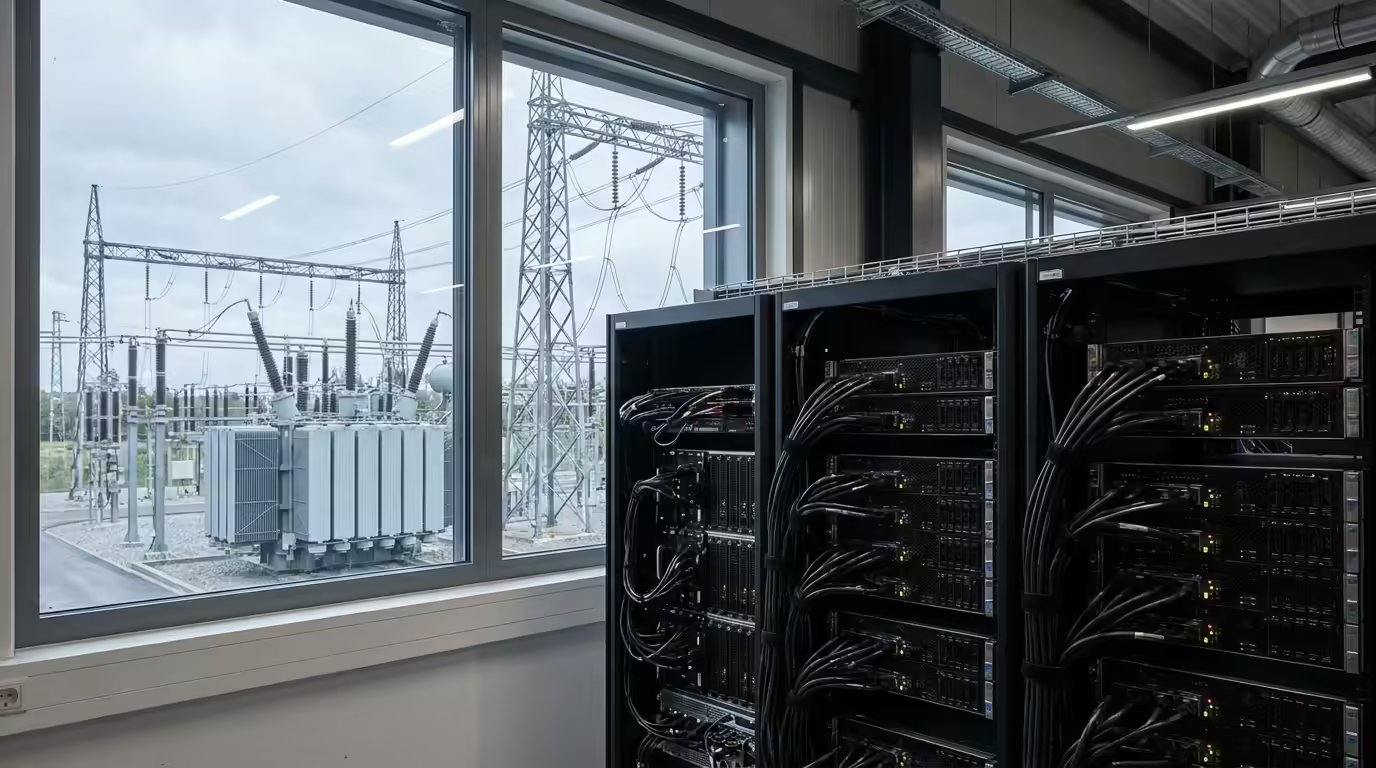
Baynes noted that this surge in demand conflicts with the already overloaded UK power grid. He stated that the current backlog of grid connection requests has exceeded the grid's supply capacity, with grid capacity becoming the primary constraint on growth. He believes that energy access is the biggest challenge facing global data center operators.
Baynes emphasized that speed is crucial in this sector. Data center construction requires significant investment, and operators need to achieve a rapid return on investment. He suggested that data centers could enhance grid stability by flexibly managing workloads, reducing consumption during peak hours, and contributing capacity during off-peak periods.
Regarding the reputational challenges facing the industry, Baynes advocated for early and transparent communication with local authorities and highlighted community benefits such as waste heat reuse to build better cooperative relationships and accelerate permitting processes. He expressed optimism about the UK government's target of reducing emissions by 87% by 2042, provided that digital growth advances in tandem with the energy transition, relying on a cleaner grid and efficient technologies. Baynes cited the shift of backup generators from diesel to hydrotreated vegetable oil (HVO) as an example of the incremental changes underway in the industry, also involving the adoption of battery storage and diversified energy strategies. He concluded that data centers can contribute to sustainability goals through innovation and early adoption of renewable technologies.
Related Products
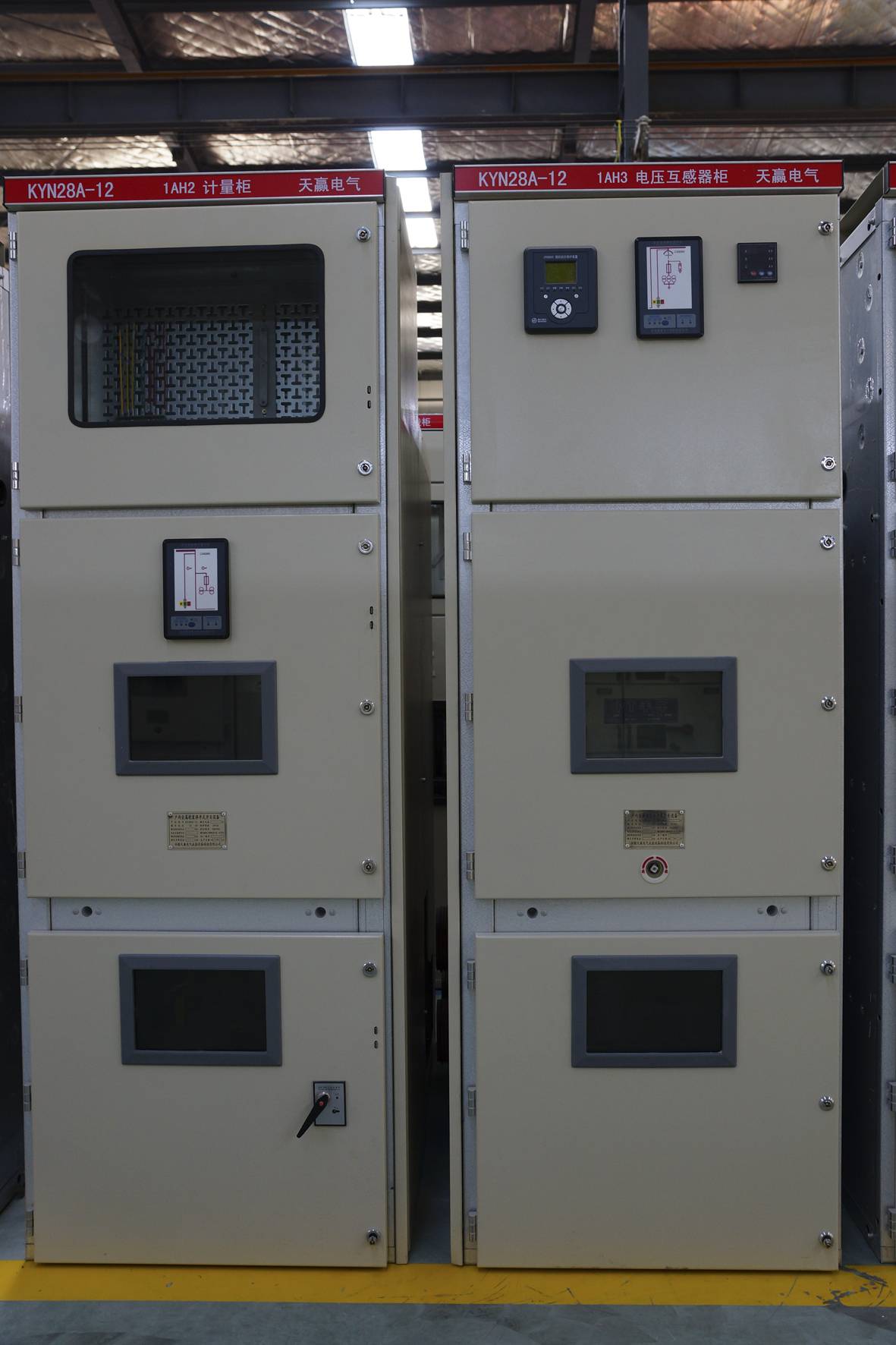

KYN28 - High Voltage Switchgear
Anhui Tianying Electrical Equipment Manufacturing Co., Ltd.

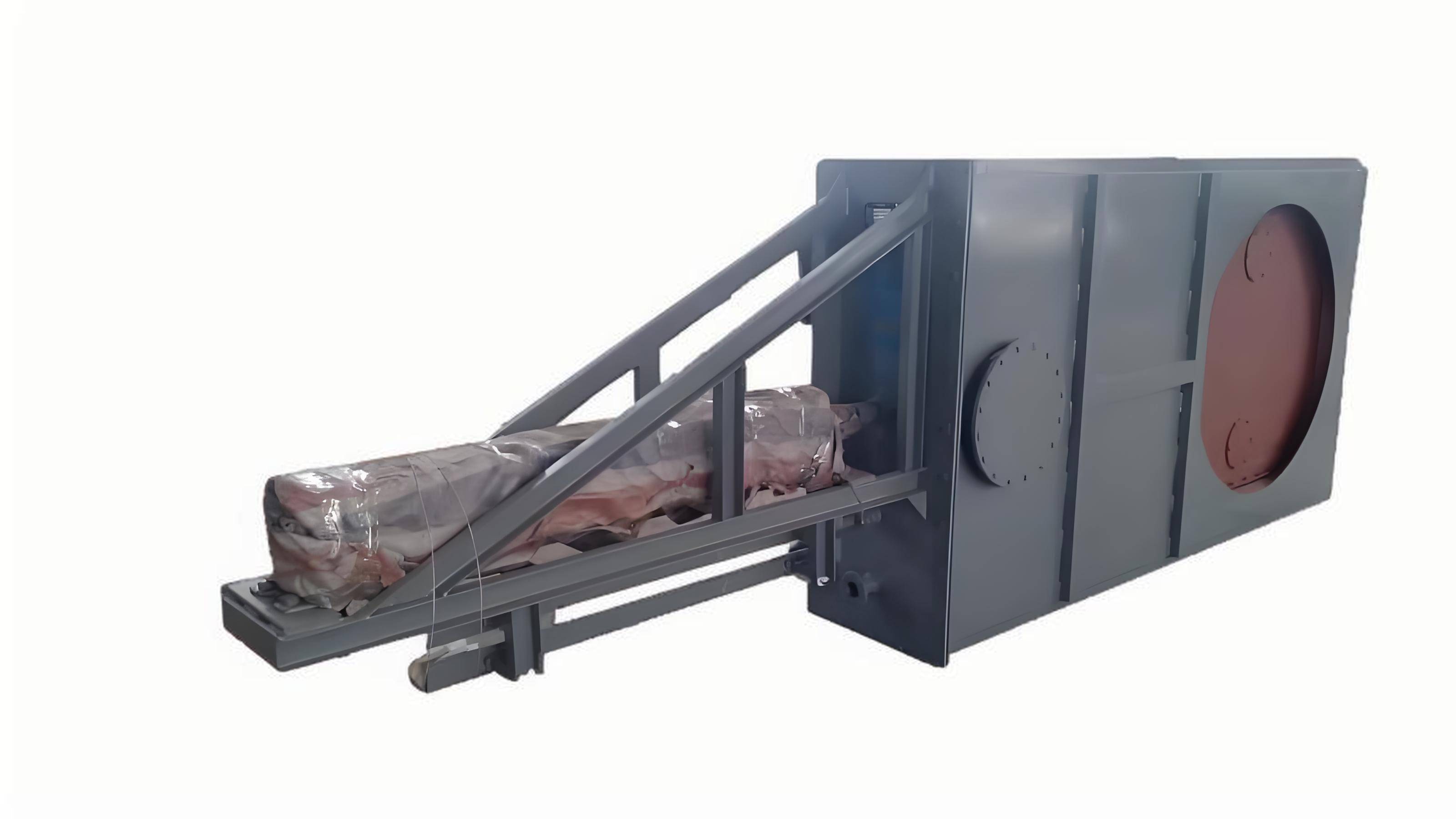
Double-slide Triple-sealed Hot Air Isolation Door
Xi'an Yingchuan Electric Power Equipment Co., Ltd.
Microcomputer Protection and Substation Automation
Beijing Agent Devote Power Technology Development Co., Ltd.
Optional Accessory - Auxiliary Sampling Module
Beijing Soaring Electric Technology Co., Ltd.