US-German Team Identifies Dendrite Cause, Solid-State Battery Critical Current Density Increased by 300%
en.Wedoany.com Reported - A research team from the Massachusetts Institute of Technology (MIT) and the Technical University of Munich (TUM) has precisely identified the root cause of dendrite formation in solid-state batteries and proposed a suppression method.
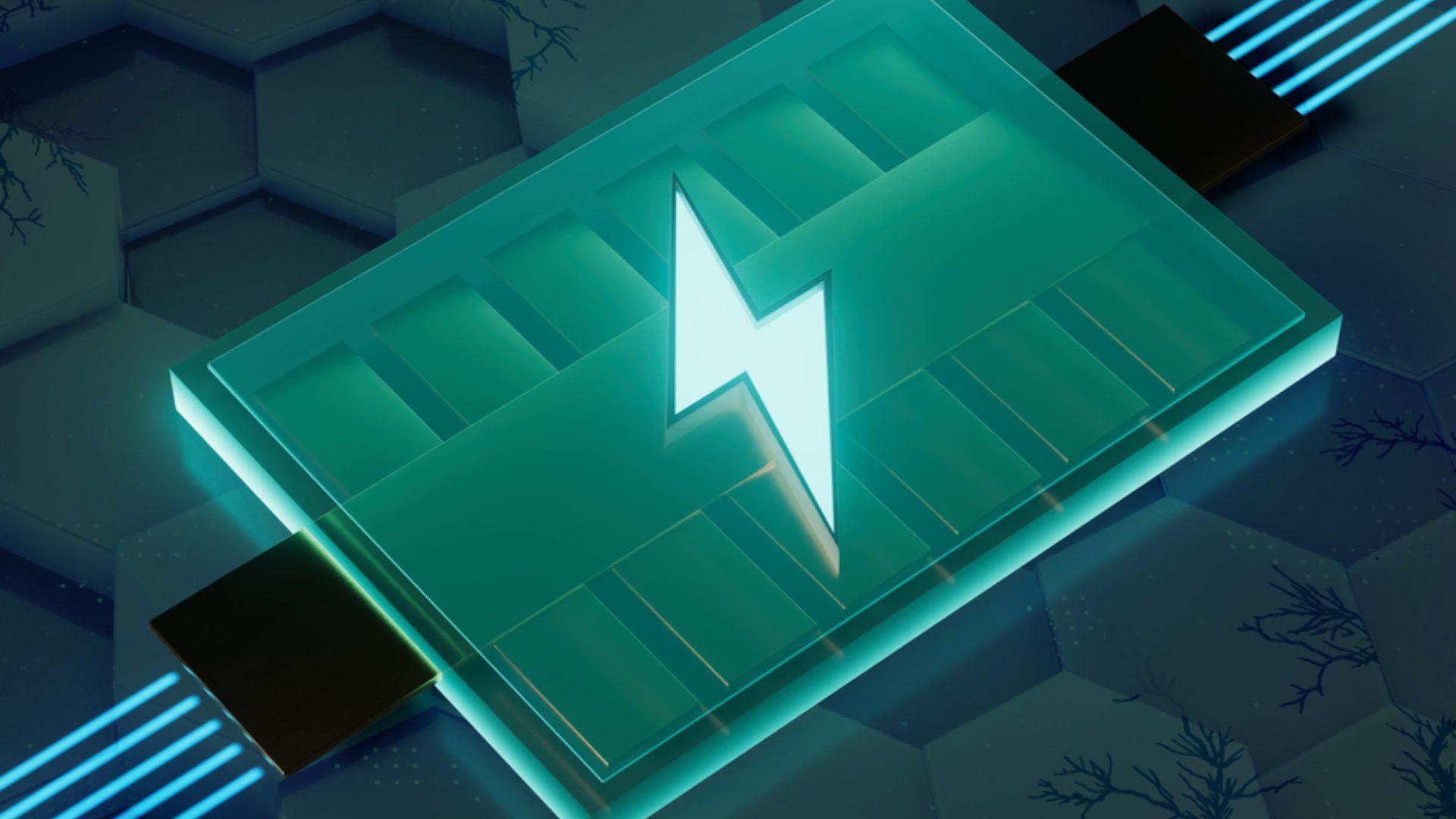
The team found that dendrites in solid-state batteries originate from hidden electrical imbalances at the contact boundaries of electrolyte grains. These electrical imbalances block lithium ions and trap leaked electrons, disrupting the normal conduction of charge. By adjusting the processing conditions of the electrolyte, the researchers minimized these electrical traps, effectively reducing electron leakage. This adjustment increased the material's critical current density by over 300%, paving the way for faster charging and more durable solid-state batteries.
Solid-state batteries replace the liquid electrolyte in lithium-ion batteries with a solid ceramic or plastic electrolyte. However, short circuits caused by dendrites have hindered their practical development. Dendrites are tiny lithium metal spikes that pierce the solid electrolyte. The solid electrolyte consists of billions of tightly packed micron-sized single crystals (grains), separated by microscopic grain boundaries. It has long been suspected that these grain boundaries possess unique chemical and electrical properties, blocking ions, leaking electrons, and triggering short-circuiting dendrites, but the exact mechanism driving this destructive interaction was previously unknown.
In this study, the researchers revealed the interference mechanism by modeling how local electrical imbalances at grain boundaries disrupt charge movement. They tested the solid electrolyte material—lithium lanthanum zirconate (LLZO)—using electron microscopy, machine learning, and advanced spectroscopy techniques. The results showed that grain boundary cores carry local charges, blocking lithium ions while trapping electrons. The accumulation of electrons reduces the charge of nearby lithium ions, forcing them to solidify into metal dendrites that damage the battery. Based on these findings, the researchers adjusted the processing conditions of the LLZO electrolyte to minimize negative charges at grain boundaries. The engineered electrolyte allowed lithium ions to pass through quickly while suppressing electron leakage. The fix was remarkably effective, with the new material withstanding critical current densities over 300% higher than standard samples without forming dendrites. The study was led by Professor Harry Tuller from MIT's Department of Materials Science and Engineering, and the findings have been published in the journal *Nature Nanotechnology*.
Related Products

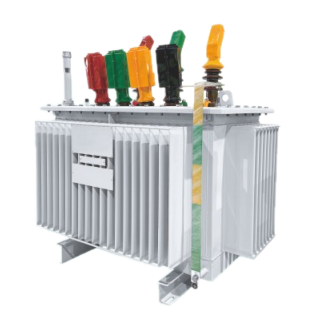
IS(B)□-M·RL Series Oil-immersed 3D Transformer (Planar / 3D Wound Core)
Guangdong Kehua Electric Power Technology Co., Ltd.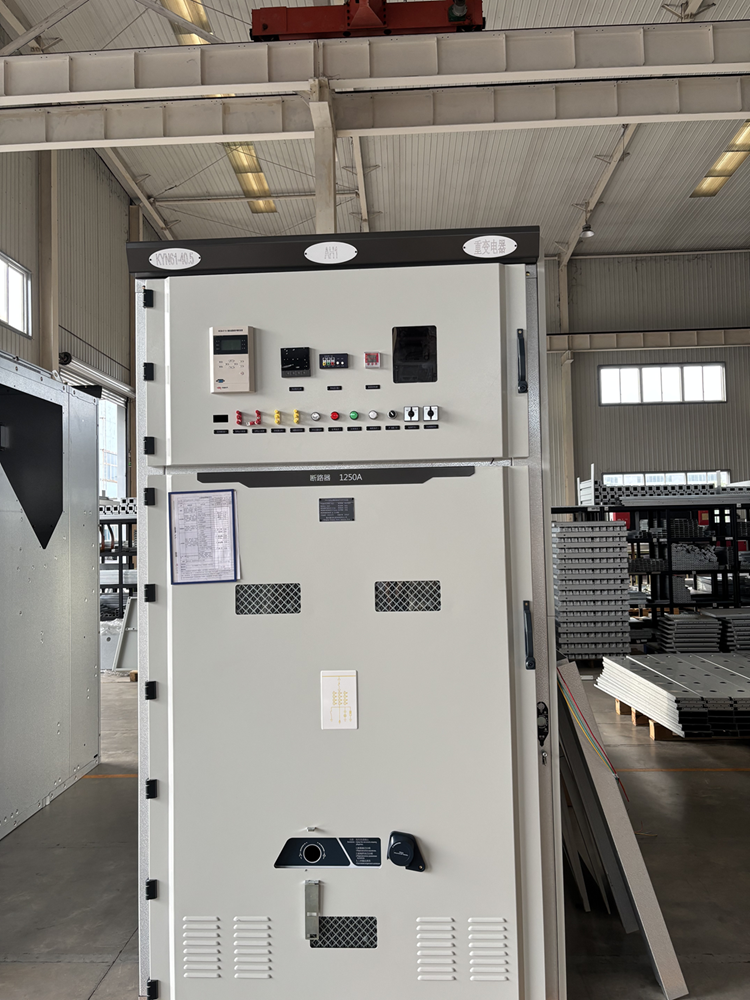
KYN61-40.5 Indoor AC Metal-clad Removable Switchgear
Chongqing Transformer Co., Ltd.

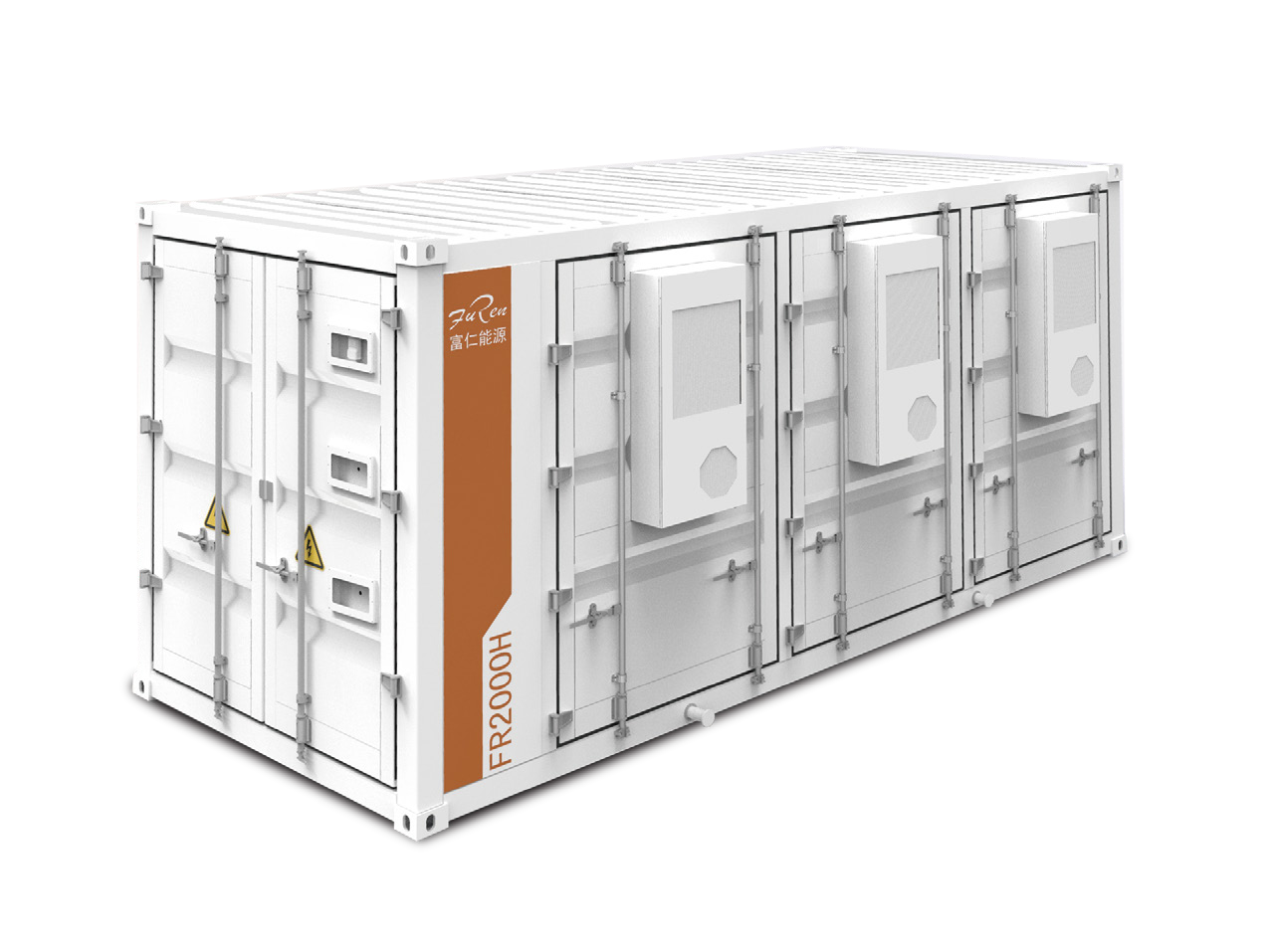
FR2000H 2.15MWh (Air-cooled) 20-foot Containerized Energy Storage System
Jiangyin Furen High-tech Co., Ltd.

Prefabricated Houses and Electrical Energy Boxes
Chengdu Ruilong Machinery Manufacturing Co., Ltd.
714CD Series C-Band Weather Radar
Chengdu Zhongdian Jinjiang Information Industry Co., Ltd.