Toyota Moves Half of Tacoma Production from Mexico Back to the U.S.
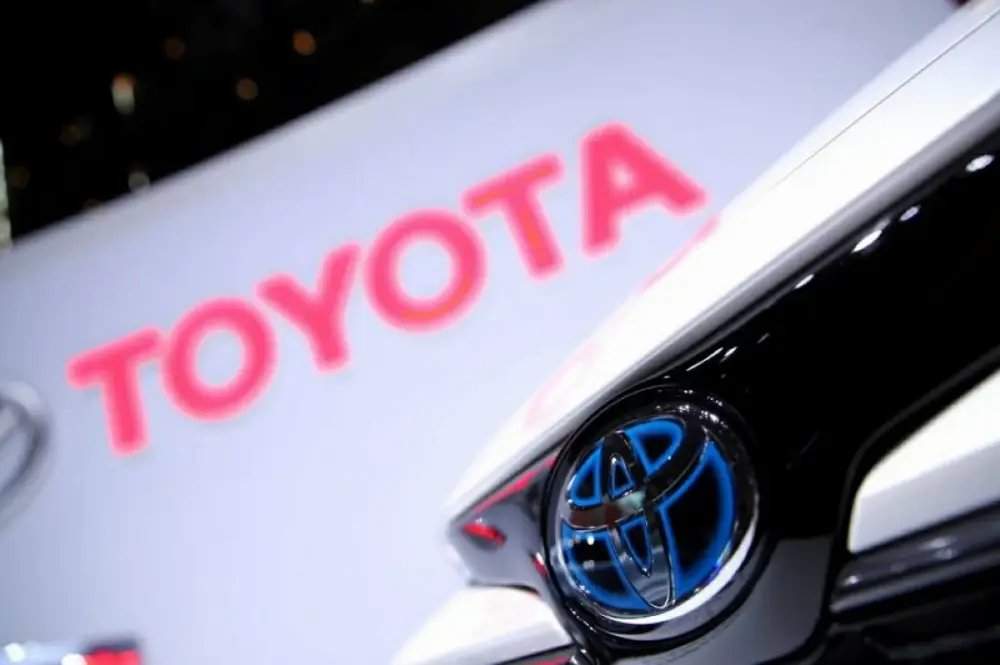
en.Wedoany.com Reported - While many automakers choose to absorb tariff costs rather than relocate factories back to the United States, Toyota Motor Corporation announced last week that it will shift part of its midsize pickup truck production from Mexico to its expanded plant in San Antonio, Texas. The facility, which already produces the "Tundra" pickup and "Sequoia" sport utility vehicle, will now handle half of the output for Toyota's best-selling "Tacoma" model, with the other half remaining at the Mexican plant. U.S. President Donald Trump called the move a "really big deal," arguing it proves that "tariffs are working." Toyota did not attribute the decision to tariff policies, telling CNN: "While we are affected by evolving trade policies, our investments are decisions made over decades based on broader strategic goals." More than a year after the Trump administration imposed broad tariffs on automobiles to encourage domestic manufacturing, Toyota's move remains an exception rather than the norm.
The vast majority of automakers remain reluctant to move production back to the U.S., preferring to bear tariff costs rather than invest billions of dollars in new factories, opting instead to add limited production lines at existing U.S. plants. According to data from market research firm Mobility Global, imported cars accounted for 46% of vehicles purchased by U.S. consumers last year, down from 47.7% in 2024. This slight decline is partly due to the discontinuation of low-cost imported models such as the Nissan Versa. Rising costs and persistent policy uncertainty make automakers cautious about major adjustments to factory layouts. Ivan Drury, director of analysis at car-buying website Edmunds, said: "Building factories on a warehouse scale is a huge commitment, and rushing into it would be almost insane. So the safest option is to make no changes and continue operations, even if it means bearing additional tariff costs."
The United States-Mexico-Canada Agreement (USMCA) has helped automakers reduce production costs, but its future is uncertain due to upcoming renegotiations. The agreement has been submitted for renegotiation, following Trump's hint last month that the U.S. would withdraw if substantial modifications favorable to American businesses are not made. This development has raised concerns among automakers that heavily rely on the free flow of parts between the U.S., Canada, and Mexico. The American Automotive Policy Council, representing General Motors, Ford, and Stellantis, stated: "We call for a swift and lasting solution that ensures fair competition and provides the long-term certainty needed for the automotive industry's massive investments."
Tariffs have significantly squeezed automakers' profit margins. Toyota paid $8.4 billion in tariffs in its most recent fiscal year, turning its North American operations from profitable to loss-making. General Motors incurred $3.1 billion in tariffs in 2025, while Ford paid approximately $1 billion. Although the effect has been limited, tariffs have not been entirely ineffective in encouraging some companies to move production back to the U.S. Besides Toyota's Tacoma, General Motors announced last year that it would relocate assembly of two sport utility vehicle models from Mexico and stop importing a Buick sport utility vehicle from China, replacing it with an alternative model. These vehicles will be moved to GM's existing plants in Kansas and Tennessee—facilities that have excess capacity after GM scaled back significant investments in electric vehicles following Trump and congressional Republicans' termination of government subsidies for electric vehicle programs.
Automotive industry economist Patrick Anderson believes that business considerations beyond tariff policies underlie Toyota's decision to shift some production to San Antonio. He said: "Toyota has achieved great success in expanding its business in the U.S. pickup truck market, and the San Antonio plant is at its core. So from a business perspective, integrating existing production processes makes sense." Despite rising tariffs, automakers still believe that adjusting production layouts based on trade policies that may change faster than the time required to build new factories is not a practical decision. Experts emphasize that building new factories or expanding existing ones to replace imported cars would take years and billions of dollars, especially given that future U.S. administrations could easily reverse Trump's policies, and U.S. labor costs are higher than those in Mexico and many other countries. Meanwhile, despite record-high car prices, total sales grew by 2% last year, with demand remaining strong, prompting automakers to continue relying on imports.
Related Products



CAP1400 main feedwater flow nozzle flowmeter.
Jiangsu Hongda Instrument Technology Co., LTD.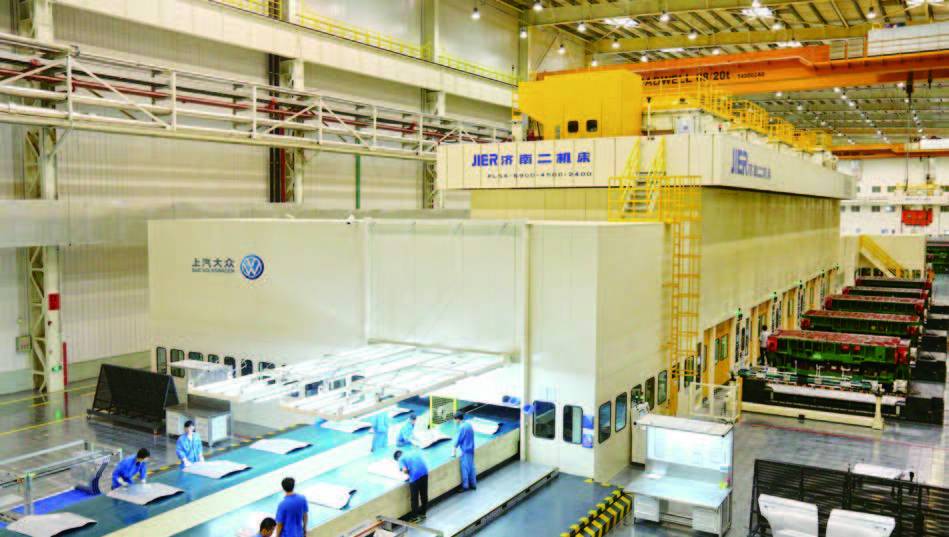
High-Speed Flexible Fully Automatic Stamping Production Line
JIER Machine-Tool Group Co., Ltd.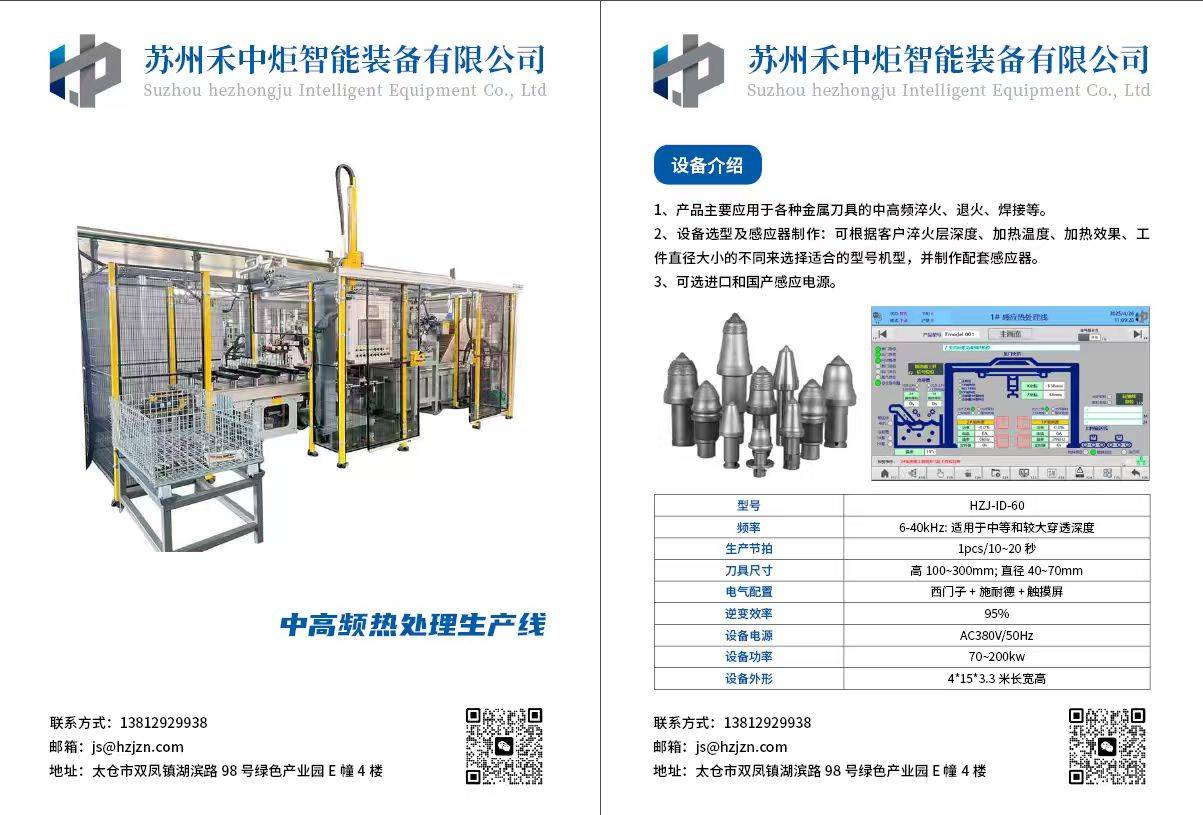
Excavator Bucket Teeth Heat Treatment Production Line
Suzhou Hezhongju Intelligent Equipment Co., Ltd.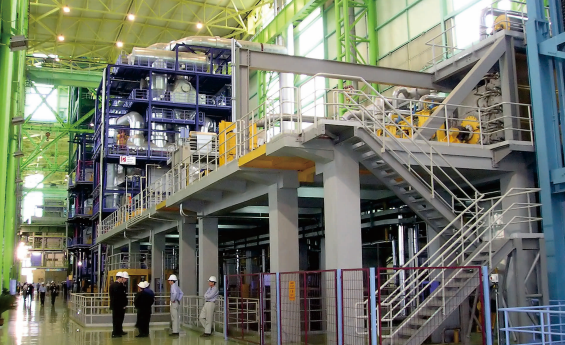
Strip Coating and Plating Production Line Equipment
MCC-SFRE HEAVY INDUSTRY EQUIPMENT CO., LTD.