Yas Senegal Expands 4G, 5G, and Kenya Fiber Optic Network
en.Wedoany.com Reported - Recently, a digital communication infrastructure expansion plan covering Senegal and Kenya was officially announced. Yas Senegal will expand and upgrade its existing 4G and 5G mobile communication networks, strengthen core communication infrastructure, and accelerate fiber optic line deployment; related projects in Kenya will focus on modernizing and expanding the existing fiber optic network. These two parts focus on mobile communications and fixed broadband respectively, aiming to improve network capacity, service quality, operational efficiency, and broadband availability.
This construction is not a single equipment update, but a continuous capacity expansion from mobile access and core networks to fiber optic transmission.
Yas Senegal's existing mobile network will be the focus of this phase. Construction includes continuing to expand 4G network service capabilities, advancing 5G network expansion, enhancing core network capacity, and accelerating fiber optic infrastructure deployment. With the growth of mobile data traffic, network expansion requires not only increased wireless access capacity but also synchronized improvement in data transmission efficiency between base stations and the core network; otherwise, new base stations and 5G coverage may not be fully translated into a stable network experience. Incorporating 4G, 5G, core facilities, and fiber optic deployment into the same construction plan means that Senegal's communication network will shift from localized expansion to coordinated upgrades of access, transport, and core networks.
Fiber optic deployment is particularly noteworthy.
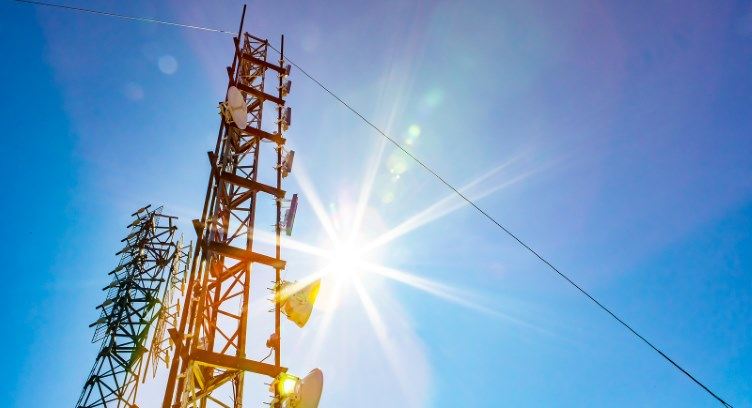
As the mobile communication network expands, base station backhaul, urban backbone transmission, and cross-regional communication capacity all need corresponding improvements. Fiber optics not only serve fixed broadband access but also form a crucial foundation for connecting 4G and 5G base stations to the core network. Synchronizing fiber optic construction with mobile network upgrades in some parts of Senegal helps mitigate the impact of network congestion on service quality and reserves basic conditions for adding more sites, expanding 5G coverage, and enhancing data transmission capabilities in the future. The project announcement has not yet disclosed the number of new base stations, cities with 5G coverage, fiber optic cable mileage, or specific construction timelines, so the project scale will depend on subsequent construction arrangements and equipment deployment plans.
The focus of construction in Kenya differs. Local projects will primarily upgrade and expand fiber optic infrastructure by updating existing networks, expanding line coverage, and improving network operation levels to enhance fixed broadband service capabilities. Kenya's digital communication market is relatively competitive, with broadband services demanding higher network stability, access speed, and coverage. This project is not just about expanding user-side access but also improving the overall operational efficiency of the fiber optic network, enabling more areas to access stable, high-speed broadband services.
The core of this part is to make the existing network more stable and extend broadband lines to more users and service areas.
The different construction paths in Senegal and Kenya also reflect the different stages of communication infrastructure development in the two regions. Senegal is simultaneously advancing mobile networks, core facilities, and fiber optic deployment, with a longer project chain involving synchronized improvements in wireless coverage and transmission capacity; Kenya focuses on fiber optic network upgrades and expansion, emphasizing the modernization of fixed broadband networks. Although the construction targets differ, both projects need to address issues such as insufficient network coverage, limited transmission capacity, and unstable service quality.
Based on the currently announced project scope, the Senegal project will gradually unfold around 4G and 5G wireless access, core network capacity expansion, base station transmission connections, and fiber optic line construction, while the Kenya project will focus on fiber optic network equipment updates, line expansion, node upgrades, and broadband access capability enhancement. Specific communication equipment to be used, whether large-scale new base station sites will be added, and which cities and regions fiber optic construction will cover have not yet been disclosed. For the equipment and engineering services market, what warrants continued attention is not the overall project description, but the number of base stations deployed, core network expansion plans, fiber optic cable length, transmission node settings, construction batches, and equipment procurement arrangements—these details will directly determine the actual scale of the construction.
Yas currently operates in 11 markets in Africa and the Indian Ocean region, covering mobile and fixed communication networks, communication towers, backbone networks, and data centers and other digital infrastructure. Yas stated that nearly one-tenth of Africa's population remains outside mobile network coverage, and closing this coverage gap is a key direction for its network construction. After the completion of Senegal's 4G and 5G network upgrades and Kenya's fiber optic expansion, the coverage capacity and network carrying levels of both countries' communication infrastructure will be further enhanced, providing a more stable network foundation for residential broadband access, enterprise digital services, and public service connectivity.
Related Products



GYTA Type Non-Self-Supporting Aerial/Duct Optical Cable
TONGDING INTERCONNECTION INFORMATION CO., LTD.
Comprehensive Mining Automation Control System
Beijing Tianma Intelligent Control Technology Co., Ltd.



MUX Series Communication Interface Device for Security and Stability Control System
Nanjing NR Electric Co., Ltd.

Conveyor Belt Intelligent Monitoring System
LUO YANG WIRE ROPE INSPECTION TECHNOLOGY CO., LTD.